
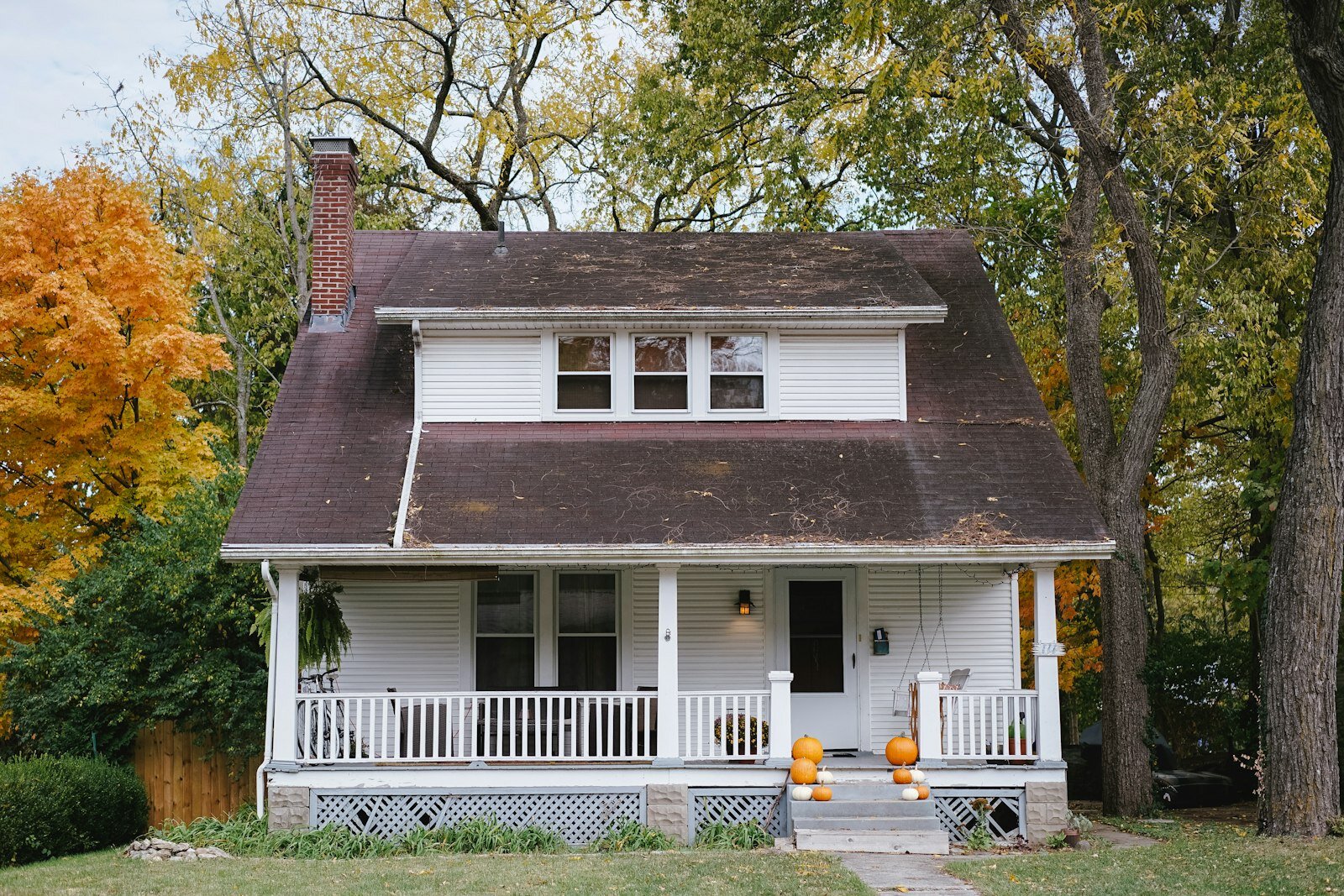
Michigan has one of the strangest property tax systems in the country, and it quietly shapes every home sale in the state. If you have owned your house a long time, understanding uncapping will explain both why your taxes are low and why your buyer’s will not be.
Proposal A in One Paragraph
Since 1994, Michigan caps how fast a home’s taxable value can grow: 5 percent a year or the rate of inflation, whichever is less, no matter how fast the market value rises. Your assessed value, the SEV, tracks half of market value, but your taxable value crawls. Own a house for twenty years in an appreciating market and your taxable value can sit at a fraction of your SEV.
What Happens at the Sale
The year after a transfer of ownership, the taxable value uncaps: it resets up to the SEV. The buyer does not inherit your tax bill, they inherit a much bigger one. Example: a Livonia ranch with an SEV of $120,000, implying roughly $240,000 of market value, but a taxable value of $70,000 after decades of capped growth. At a 45 mill rate the owner pays about $3,150 a year. After the sale it uncaps toward $120,000 and the new owner pays around $5,400. Same house, 71 percent more tax.
Why Sellers Should Care
First, smart buyers calculate the post uncapping bill, not your current one, and it affects what they can afford to offer, especially first time buyers stretching their ratios. Second, if you are weighing keeping a house as a rental versus selling, your capped taxes are an asset you lose the day you transfer. Third, certain transfers, like adding a child to a deed incorrectly, can accidentally trigger uncapping without a sale. Estate planning mistakes around this cost Michigan families real money every year, and the rules around family transfers have specific exemptions worth checking with an attorney.
The Data Angle Nobody Mentions
Uncapping is part of why Michigan inventory stays tight: longtime owners face a tax penalty for moving, so they stay put. It also means affordable suburbs with stable longtime owners, Warren, Livonia, St. Clair Shores, carry hidden tax jumps for buyers, which feeds back into what houses actually sell for. When we make an offer on a long held house, the future tax bill is part of our renovation budget math too. Check your own numbers on your city assessor’s site, then see how we price houses on our process page.