
Guides for Homeowners
Written by the people who actually buy the houses. Practical, honest, and specific, with no filler content.
Latest guide
The Arizona Foreclosure Process: Timeline, Your Rights, and Ways Out
Arizona forecloses without a courtroom: once the trustee records a Notice of Trustee's Sale, the auction can happen just 91 days later (A.R.S. 33-808), and there is no getting the house back afterward. The full clock from your first missed payment is closer to seven months, and every day of it is usable. Here's the whole process, stage by stage, with what you can still do at each one.
Carson Whaley · August 26, 2026 · 8 min read
Seller Guides
Situations, honest offer math, and how to protect yourself, anywhere in the country.

Are "We Buy Houses" Companies Legit? An Honest Answer From Inside the Industry
I run one of these companies, so discount my bias however you like, but that also means I know exactly how the bad actors operate. Here's the unvarnished picture, and the checklist that protects you from every scheme I've seen.
Carson Whaley · August 21, 2026 · 3 min read
Can I Sell My House Before Foreclosure? Yes, Until the Gavel Falls
Short answer: until the foreclosure auction actually happens, the house is yours and you can sell it. Here's the timeline you're really on, the math of selling while behind, and the traps set for people in exactly your position.
Carson Whaley · August 21, 2026 · 3 min read

How Much Do Cash Home Buyers Pay? Here's the Actual Math
I buy houses for a living, so let me answer the question everyone dances around: cash buyers typically pay 70–85% of a home's after-repair value, minus repair costs. Here's exactly how that works, with real numbers.
Eric Roebuck · August 21, 2026 · 3 min read

Selling a House in Probate: What Actually Happens, Step by Step
Probate adds a court to your home sale, but it rarely blocks one. Here's how authority, approval, and timing really work, written for executors and heirs who've never done this before and hopefully never will again.
Eric Roebuck · August 21, 2026 · 3 min read

Selling a Rental With Tenants In It: Rights, Rules, and Real Options
The lease doesn't block the sale, it rides along with it. Here's what the law actually requires, how occupancy changes your buyer pool and price, and the playbook for each tenant situation from model renter to mid-eviction.
Eric Roebuck · August 21, 2026 · 3 min read

What NOT to Fix When Selling a House: From Someone Who Buys Them
I've walked hundreds of houses where the seller spent real money on exactly the wrong things. Here's the honest hierarchy: what returns money at sale, what merely returns some of it, and what's pure donation to the next owner.
Carson Whaley · August 21, 2026 · 3 min read
Arizona Guides
Laws, taxes, timelines, and local process for selling a house in Arizona.
Selling a House in Arizona: Laws, Taxes, and How the Process Actually Works
Arizona is one of the easiest states in the country to sell a house in: no transfer tax (it's constitutionally banned), no attorney requirement, escrow companies handle everything, and even foreclosure runs on a fixed 91-day clock. Here's the whole legal and financial picture, written by people who close Arizona purchases every month.
Eric Roebuck · August 26, 2026 · 11 min read

Selling a House in Phoenix: Local Rules, Real Costs, and What to Expect
Phoenix is one of the cheapest big cities in America to sell a house in, no transfer tax, no city inspection, a $30 flat recording fee, but the desert writes its own rules about roofs, air conditioners, and timing. Here's the whole local picture, from people who buy Valley houses every month.
Eric Roebuck · August 26, 2026 · 8 min read

Selling an Inherited House in Arizona: Probate, Taxes, and Your Options
Arizona makes inheriting a house about as painless as any state can: most probates are informal with no hearings, estates with up to $300,000 in real property equity can skip probate entirely by affidavit, and there is no state estate or inheritance tax. Here's the whole path from the death certificate to the closing wire, from people who buy inherited Arizona houses every month.
Eric Roebuck · August 26, 2026 · 9 min read
Georgia Guides
Laws, taxes, timelines, and local process for selling a house in Georgia.
The Georgia Foreclosure Process: Timeline, Your Rights, and Ways Out
Georgia runs the fastest foreclosure clock in the country: once the lender mails the sale notice required by O.C.G.A. 44-14-162.2, the courthouse-steps auction can happen in as little as 37 days, and there is no right of redemption afterward. A federal rule does add a cushion up front, since the process can't formally start until you're more than 120 days behind. Here is every stage, every right you hold at each one, and every real way out.
Eric Roebuck · August 26, 2026 · 8 min read

Selling a House in Atlanta: Local Rules, Costs, and What to Expect
Atlanta doesn't make you pass a city inspection to sell, but it will fine you $1,000 for an unregistered vacant house, split your paperwork between two counties, and hand your closing to a licensed Georgia attorney. Here's what's genuinely local about selling inside the city, with current numbers, from a team buying Atlanta houses right now.
Carson Whaley · August 26, 2026 · 8 min read

Selling a House in Georgia: Laws, Taxes, and How the Process Actually Works
Three facts shape every Georgia home sale: a licensed Georgia attorney must conduct your closing, the state's nonjudicial foreclosure can go from notice to courthouse-steps auction in as little as 37 days, and the transfer tax is one of the nation's smallest at roughly 0.1% of the price. Here's how the whole process works, what it costs, and where the traps are, from a team that buys houses across Georgia every month.
Carson Whaley · August 26, 2026 · 11 min read

Selling an Inherited House in Georgia: Probate, Taxes, and Your Options
Georgia gives heirs more ways to sell an inherited house than almost any state: standard probate with letters issuing in roughly 2 to 6 months, a No Administration Necessary order when the heirs all agree, and a year's support award that can move the home to a surviving spouse ahead of most creditors. There is no Georgia estate or inheritance tax, and stepped-up basis usually erases most of the capital gain. Here's the whole path, from the probate court to the closing table.
Carson Whaley · August 26, 2026 · 9 min read
Indiana Guides
Laws, taxes, timelines, and local process for selling a house in Indiana.

The Indiana Foreclosure Process: Timeline, Your Rights, and Ways Out
Indiana forecloses only through the courts, and the statutory floor is long: no lawsuit until you're roughly 120 days behind plus a 30-day pre-suit notice, no sale order until at least 3 months after filing, and in practice 150 days to 10 months from complaint to sheriff's sale. You can catch up, settle, or sell at almost any point on that clock. After the sale, there is no redemption. Here is every stage and every exit.
Carson Whaley · August 26, 2026 · 9 min read
Selling a House in Indiana: Laws, Taxes, and How the Process Actually Works
Indiana is one of the cheapest, simplest states in America to sell a house: no state transfer tax, title-company closings, and exactly one mandatory disclosure form (State Form 46234, due before you accept an offer). Here's the whole rulebook, statute by statute, plus where the process gets slow and how to route around it.
Eric Roebuck · August 26, 2026 · 10 min read
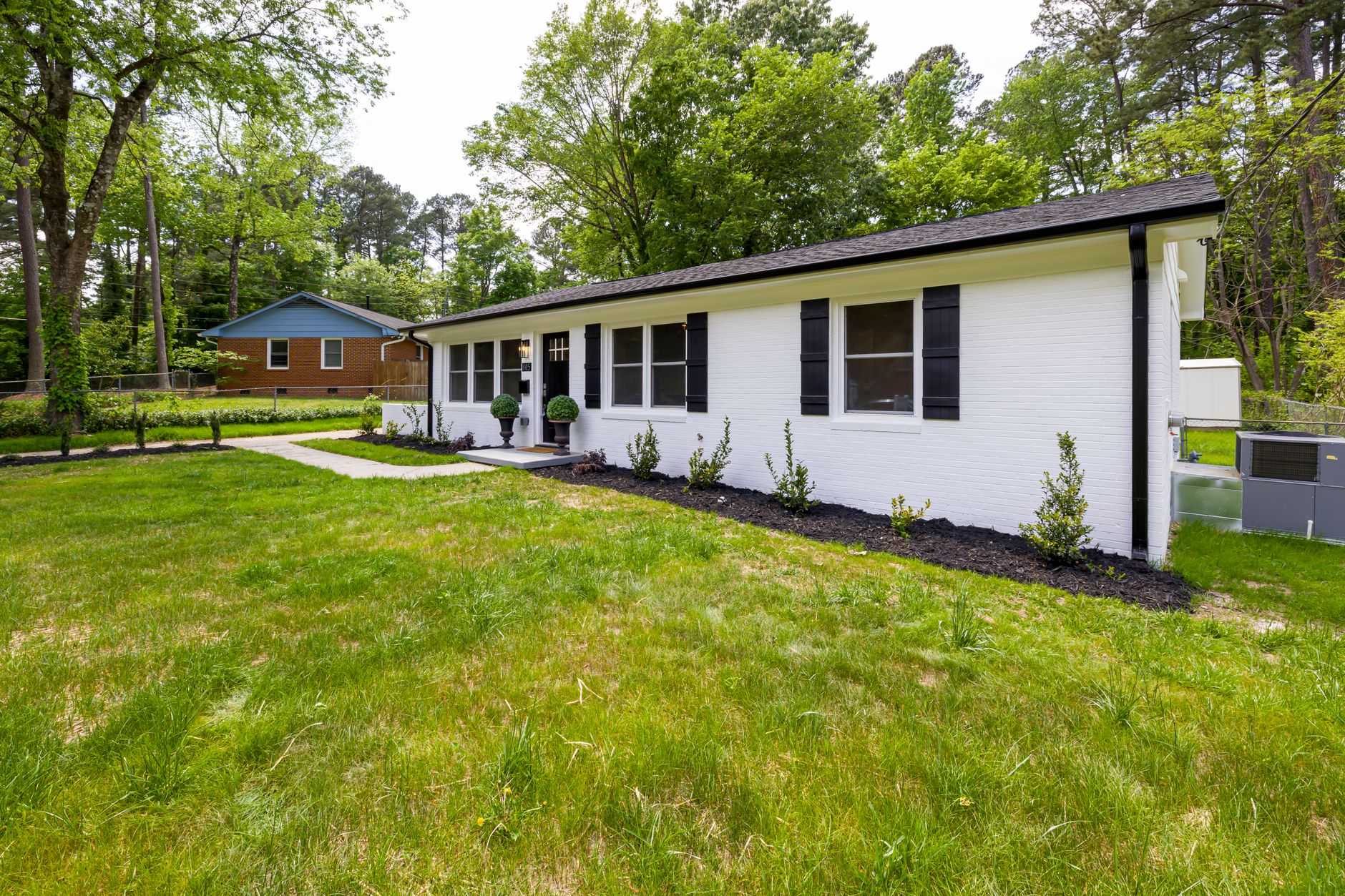
Selling a House in Indianapolis: Local Rules, Real Costs, and What to Expect
Indianapolis is one of the easier big cities in America to sell a house in: no city point-of-sale inspection, no transfer tax, and about $55 in total government fees to record the whole deal. The friction lives elsewhere, in a housing stock that runs old and a buyer pool that knows exactly what to poke at. Here's the local playbook, with real numbers.
Eric Roebuck · August 26, 2026 · 8 min read

Selling an Inherited House in Indiana: Probate, Taxes, and Your Options
Indiana repealed its inheritance tax back in 2013, charges no transfer tax on the deed, and lets most estates sell a house through unsupervised administration with no court hearing on the sale. The catch: the popular $100,000 small estate affidavit cannot transfer real estate, so most inherited Indiana houses still need a probate appointment before anyone can sign the deed. Here is the whole sequence.
Eric Roebuck · August 26, 2026 · 9 min read
Missouri Guides
Laws, taxes, timelines, and local process for selling a house in Missouri.

The Missouri Foreclosure Process: Timeline, Your Rights, and Ways Out
Missouri runs one of the fastest foreclosures in America. Once the trustee starts, the law requires only a 20-day mailed notice (Mo. Rev. Stat. 443.325) and newspaper publication before the auction, so the whole process commonly finishes in 45 to 60 days. Your real protection is the federal rule that nothing can start until you're more than 120 days behind. Here is the clock, stage by stage, and every legitimate way off of it.
Eric Roebuck · August 26, 2026 · 8 min read
Selling a House in Missouri: Laws, Taxes, and How the Process Actually Works
Missouri sells houses on unusually seller-friendly terms: no state or local transfer tax (constitutionally banned since 2010), no mandatory disclosure form, and cheap title-company closings. The same light-touch tradition cuts the other way when you're behind on the mortgage, because Missouri's nonjudicial foreclosure can finish roughly 60 days after it starts. Here's the whole picture, from disclosure duties to probate deadlines to the city inspection rules that catch sellers off guard.
Carson Whaley · August 26, 2026 · 10 min read
Selling a House in St. Louis: Local Rules, Real Costs, and What to Expect
Selling a house in most of Missouri is refreshingly simple. Selling one in St. Louis adds a layer almost nowhere else in the state has: an occupancy inspection that stands between your buyer and their move-in date. Here's how that inspection actually works, what it costs, why the city-versus-county question matters so much, and what a hundred years of brick means for your bottom line.
Carson Whaley · August 26, 2026 · 8 min read
Selling an Inherited House in Missouri: Probate, Taxes, and Your Options
Missouri gives heirs one hard deadline and a lot of good news. The deadline: probate must be opened within one year of death (Mo. Rev. Stat. 473.050), or the court can never issue letters at all. The good news: no state estate tax, no inheritance tax, no transfer tax, a $40,000 small-estate shortcut, and independent administration that lets most estates sell a house about as easily as any other owner would.
Carson Whaley · August 26, 2026 · 9 min read
North Carolina Guides
Laws, taxes, timelines, and local process for selling a house in North Carolina.
The North Carolina Foreclosure Process: Timeline, Your Rights, and Ways Out
A North Carolina foreclosure can't legally begin until you're more than 120 days behind (12 C.F.R. 1024.41), and once the trustee files, the clerk-hearing process typically takes another two to four months before a sale becomes final. Add the required 45-day warning letter and the 10-day upset-bid window, and you have more usable time than the letters make it feel like.
Carson Whaley · August 26, 2026 · 8 min read
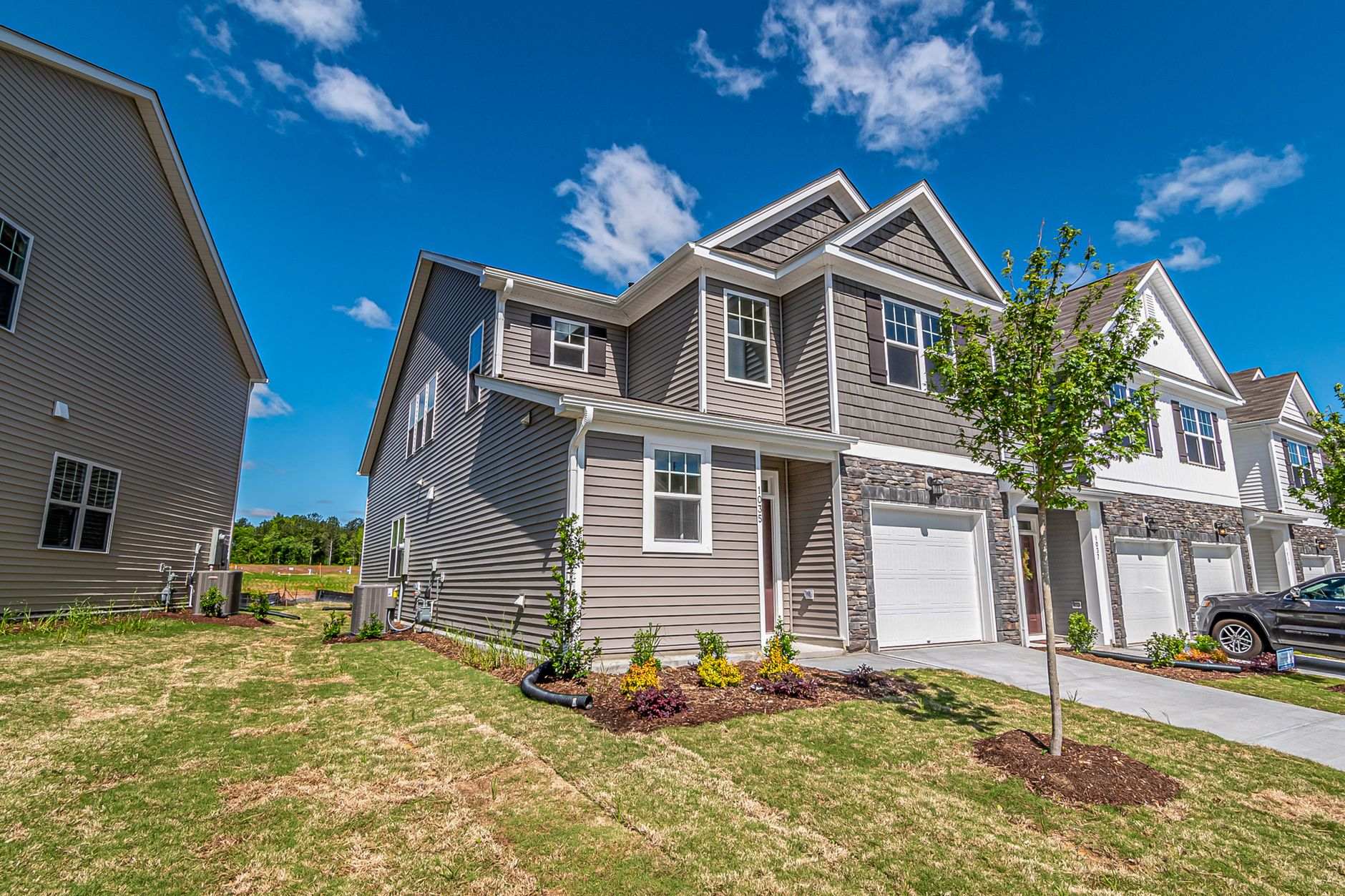
Selling a House in Charlotte: Local Rules, Real Costs, and What to Expect
Charlotte doesn't pile local red tape on home sellers, no city inspection, no registration, no municipal transfer tax. What it does have is a growth market where you're competing with national builders, a courthouse process worth understanding if you're behind on payments, and a housing stock with a few era-specific surprises. Here's the whole picture, verified and priced out.
Eric Roebuck · August 26, 2026 · 8 min read

Selling a House in North Carolina: Laws, Taxes, and How the Process Actually Works
North Carolina does three things differently from most states: a licensed attorney must handle your closing, the state disclosure form lets you answer "No Representation" to almost every question, and the transfer tax is a modest $1 per $500 of price. Here's the whole process, statute by statute, from the disclosure form to the wire hitting your account.
Eric Roebuck · August 26, 2026 · 10 min read
Selling an Inherited House in North Carolina: Probate, Taxes, and Your Options
In North Carolina, title to a house vests in the heirs the moment the owner dies (N.C.G.S. 28A-15-2), but the estate's creditors keep a claim on it for at least three months after the notice to creditors runs. Here's how heirs actually get from a death certificate to a closing check, usually in two to four months, with no state estate tax taking a bite.
Eric Roebuck · August 26, 2026 · 8 min read
Ohio Guides
Laws, taxes, timelines, and local process for selling a house in Ohio.
The Ohio Foreclosure Process: Timeline, Your Rights, and Ways Out
Ohio foreclosures run only through the courts: no filing until you're 120 days behind, 28 days to answer the lawsuit once it comes, six to twelve months to a sheriff's sale in a typical case, and a right to redeem the house until the court confirms the sale. Here's the whole clock, stage by stage, and every real exit.
Eric Roebuck · August 26, 2026 · 8 min read
Selling a House in Cleveland: Suburb Inspections, Real Costs, and What to Expect
In greater Cleveland, the hardest question isn't what your house is worth. It's which side of a municipal boundary the house sits on. Cleveland proper has no point-of-sale inspection, but a ring of Cuyahoga County suburbs won't let your deed transfer without one. Here's the whole local rulebook, with fees, escrow math, and the market numbers behind it.
Carson Whaley · August 26, 2026 · 7 min read

Selling a House in Ohio: Laws, Taxes, and How the Process Actually Works
Ohio requires a state disclosure form that hands your buyer a three-day cancellation right if you deliver it late, forecloses only through the courts on a 6-12 month timeline, and charges a conveyance fee of $1 to $4 per $1,000 at closing. Here's the whole rulebook, written by people who buy houses in all 88 counties.
Carson Whaley · August 26, 2026 · 11 min read
Selling an Inherited House in Ohio: Probate, Taxes, and Your Options
Ohio charges heirs no estate or inheritance tax, the stepped-up basis erases most capital gains, and a recorded TOD affidavit can skip probate entirely. When the house does need probate, plan on six to twelve months for the estate, though the sale itself usually closes months earlier.
Carson Whaley · August 26, 2026 · 8 min read
Oklahoma Guides
Laws, taxes, timelines, and local process for selling a house in Oklahoma.
The Oklahoma Foreclosure Process: Timeline, Your Rights, and Ways Out
An Oklahoma foreclosure cannot even be filed until you are more than 120 days behind (12 C.F.R. 1024.41), and once filed, the mostly judicial process typically runs 4 to 12 months to a confirmed sheriff's sale. That is real time, and Oklahoma law hands you more rights inside it than almost any neighboring state. Here is the whole map, stage by stage.
Carson Whaley · August 26, 2026 · 8 min read
Selling a House in Oklahoma City: Local Rules, Costs, and What to Expect
Oklahoma City is one of the easier big cities in America to sell a house in: no point-of-sale inspection, a transfer tax of 0.15%, and a court system with a genuine probate shortcut. The catches are local too: a $285 vacant-building registration, roofs that insurance companies now depreciate hard, and an abstract-of-title tradition that can stretch a closing if you're not ready for it. Here's the whole picture, verified detail by detail.
Eric Roebuck · August 26, 2026 · 8 min read

Selling a House in Oklahoma: Laws, Taxes, and How the Process Actually Works
Oklahoma sellers pick between two disclosure forms (a full disclosure statement or, for never-occupants, a short disclaimer, 60 O.S. 833), pay a modest transfer tax of $0.75 per $500 (68 O.S. 3201), and close through a title system almost no other state uses: the abstract. Here's the whole process, law by law, cost by cost.
Eric Roebuck · August 26, 2026 · 10 min read

Selling an Inherited House in Oklahoma: Probate, Taxes, and Your Options
Oklahoma charges heirs no estate or inheritance tax, its summary administration wraps probate in roughly 60 to 90 days for estates of $200,000 or less (58 O.S. 245), and the stepped-up basis erases most of the income tax on a sale. Here is how an inherited Oklahoma house actually gets from a parent's name to sold, step by step.
Eric Roebuck · August 26, 2026 · 9 min read
Tennessee Guides
Laws, taxes, timelines, and local process for selling a house in Tennessee.
The Tennessee Foreclosure Process: Timeline, Your Rights, and Ways Out
Tennessee runs one of the fastest foreclosure clocks in America: once a lender starts, a nonjudicial foreclosure can reach the auction block in roughly 45 to 60 days, and the sale is effectively final because the two-year redemption right is almost always waived in the deed of trust. Your real protection is the front end, where federal rules bar the first foreclosure step until you're more than 120 days behind (12 C.F.R. 1024.41). Here's the whole process, stage by stage, and every real way out of it.
Eric Roebuck · August 26, 2026 · 9 min read
Selling a House in Nashville: Land Value, Local Rules, and What It Really Costs
Nashville doesn't complicate your sale with city inspections; it complicates it with zoning that can make your lot worth more than your house, short-term-rental permits that die at closing, and a market that has cooled from frenzy to negotiation. Here's what's actually different about selling in Davidson County, with the numbers and ordinances behind every claim.
Carson Whaley · August 26, 2026 · 7 min read

Selling a House in Tennessee: Laws, Taxes, and How the Process Actually Works
Tennessee is one of the easiest states in the country to sell a house in: the disclosure law includes a built-in as-is disclaimer option (Tenn. Code Ann. 66-5-202), the transfer tax is a modest $0.37 per $100 that the buyer customarily pays, and there's no state income tax on your sale proceeds. The flip side is speed working against you too, because a Tennessee foreclosure can go from first notice to auction in roughly 45 to 60 days. Here's the whole picture, statute by statute.
Carson Whaley · August 26, 2026 · 10 min read
Selling an Inherited House in Tennessee: Probate, Taxes, and Your Options
Tennessee makes inheriting a house simpler than almost any other state: title vests in the heirs immediately at death (Tenn. Code Ann. 31-2-103), the state's inheritance tax was fully repealed for deaths in 2016 and after, and the stepped-up basis usually wipes out most of the capital gains. The paperwork between you and a closing is real but manageable, and this guide walks through all of it.
Carson Whaley · August 26, 2026 · 9 min read
Texas Guides
Laws, taxes, timelines, and local process for selling a house in Texas.
The Texas Foreclosure Process: Timeline, Your Rights, and Every Way Out
Texas runs the fastest foreclosure clock of any big state: a statutory minimum of about 41 days from the notice of default to the auction, sales on the first Tuesday of every month, and no right of redemption after a mortgage foreclosure sale (Tex. Prop. Code 51.002). Federal rules give most borrowers about 120 days of runway before that clock even starts. Here is every stage, every right you still have, and every real way out.
Carson Whaley · August 26, 2026 · 9 min read
Selling a House in Houston: Local Rules, Real Costs, and What to Expect
Houston has no zoning, no point-of-sale inspection, and no transfer tax, and it still manages to complicate sales in ways no other city does: city-enforced deed restrictions, a flood disclosure form rewritten because of this town, and clay soil that moves every slab in the metro. Here is the local picture, with numbers.
Eric Roebuck · August 26, 2026 · 8 min read
Selling a House in Texas: Laws, Taxes, and How the Process Actually Works
Texas charges no transfer tax on your sale and no state income tax on your gain, and it closes through title companies on some of the cleanest timelines in the country. It also runs the fastest foreclosure process in America, a legal minimum of about 41 days from default notice to auction, so some Texas sellers have far less time than they think. Here is the whole picture: the disclosure law, the probate shortcuts, the costs, and the clock.
Eric Roebuck · August 26, 2026 · 10 min read

Selling an Inherited House in Texas: Probate Paths, Taxes, and Your Options
Texas moves inherited houses to sellable status faster than any state we buy in: muniment of title can clear title in roughly 30 to 45 days, an independent executor can sign a contract the day letters issue, and heirs pay no state estate tax, no inheritance tax, and no state income tax on the sale. Here is how the probate paths, the taxes, and the sale itself actually work.
Eric Roebuck · August 26, 2026 · 10 min read
Virginia Guides
Laws, taxes, timelines, and local process for selling a house in Virginia.
The Virginia Foreclosure Process: Timeline, Your Rights, and Ways Out
Virginia foreclosure is nonjudicial and fast: the trustee owes an owner-occupant 60 days' written notice before sale, any other property just 14 days (Va. Code 55.1-321), and the auction can be held as soon as eight days after the first newspaper ad (Va. Code 55.1-322). There is no post-sale redemption here, so everything that can save your house or your equity happens before the hammer falls. Here is the full clock, stage by stage, and every real way off of it.
Eric Roebuck · August 26, 2026 · 8 min read
Selling a House in Virginia Beach: Local Costs, Rules, and What to Expect
Virginia Beach sells houses fast, about 23 days on average, but the city has quirks that catch sellers off guard: a buyer pool where nearly half the mortgages are VA loans with strict appraisal standards, a second grantor-side tax most of Virginia never pays, and flood insurance that is quietly repricing whole neighborhoods. Here is what actually matters when you sell here, with the numbers.
Carson Whaley · August 26, 2026 · 8 min read
Selling a House in Virginia: Laws, Taxes, and How the Process Actually Works
Virginia is one of the last true buyer-beware states: the required disclosure statement mostly tells buyers to go inspect for themselves (Va. Code 55.1-703). Selling costs stay low too, the seller's grantor's tax runs just $0.50 per $500 of price (Va. Code 58.1-802). The flip side is speed working against you when you owe money: Virginia's nonjudicial foreclosure can reach auction roughly 60 days after the notice letter, and in as little as a few weeks on a house nobody lives in.
Carson Whaley · August 26, 2026 · 10 min read
Selling an Inherited House in Virginia: Probate, Taxes, and Your Options
Virginia charges heirs no estate or inheritance tax, probate opens across the counter at the circuit court clerk's office rather than in a courtroom, and title to the house vests in the heirs the day the owner dies. Most families we work with go from first clerk appointment to a closed sale in under 90 days. Here is how the process actually runs, what it costs, and where it stalls.
Carson Whaley · August 26, 2026 · 8 min read
Wisconsin Guides
Laws, taxes, timelines, and local process for selling a house in Wisconsin.
The Wisconsin Foreclosure Process: Timeline, Your Rights, and Ways Out
A Wisconsin foreclosure runs through the circuit court and typically takes 9 to 12 months or more from first missed payment to a confirmed sheriff's sale: 120 days of federal pre-filing protection (12 C.F.R. 1024.41), months of litigation, then a redemption period of 3 to 6 months after judgment during which you keep possession and can still sell. Here is every stage, every right you hold, and every real way out, with the statutes attached.
Carson Whaley · August 26, 2026 · 8 min read
Selling a House in Milwaukee: Local Rules, Real Costs, and What to Expect
Milwaukee will not make you pass an inspection to sell your house, but it keeps better records on that house than almost any city its size, and the records follow the deed. Here is what actually changes hands in a Milwaukee sale: the orders, the registrations, the fees, and the numbers behind all of it.
Eric Roebuck · August 26, 2026 · 8 min read

Selling a House in Wisconsin: Laws, Taxes, and How the Process Actually Works
Wisconsin gives sellers a short, knowable rulebook: one disclosure form due within 10 days of acceptance (with a 2-business-day rescission right attached), a $3 per $1,000 transfer fee, and a courts-only foreclosure system whose redemption period keeps you in possession, with the right to sell, until the sheriff's sale. Here's the whole thing, statute by statute, including the parts that only bite in a state where pipes freeze.
Eric Roebuck · August 26, 2026 · 11 min read
Selling an Inherited House in Wisconsin: Probate, Taxes, and Your Options
Most Wisconsin heirs can go from opening an estate to a closed house sale in 3 to 6 months, owe zero state tax on the inheritance (Wisconsin's inheritance tax died in 1992 and its estate tax in 2008), and pay little or no capital gains tax thanks to the stepped-up basis. The route depends on how the house was titled the day the owner died, and Wisconsin has one shortcut almost no other state offers: a $50,000 small-estate affidavit that covers real estate.
Eric Roebuck · August 26, 2026 · 9 min read
Ready to see both of your numbers?
Tell us about your property once and get a written cash offer, plus what our Retail Buyer Program could net you instead. No repairs, no fees, no pressure to accept.