
Sell Your House As-Is: Exactly As It Stands
Reviewed by Eric Roebuck & Carson Whaley · Updated August 25, 2026
Leave the repairs undone, the carpet as it is, and anything you don't want in the garage. We buy houses in their current condition, and we'll be straight with you about what 'as-is' does, and doesn't, mean.


You'll work directly with Eric and Carson, the owners, not a call center.
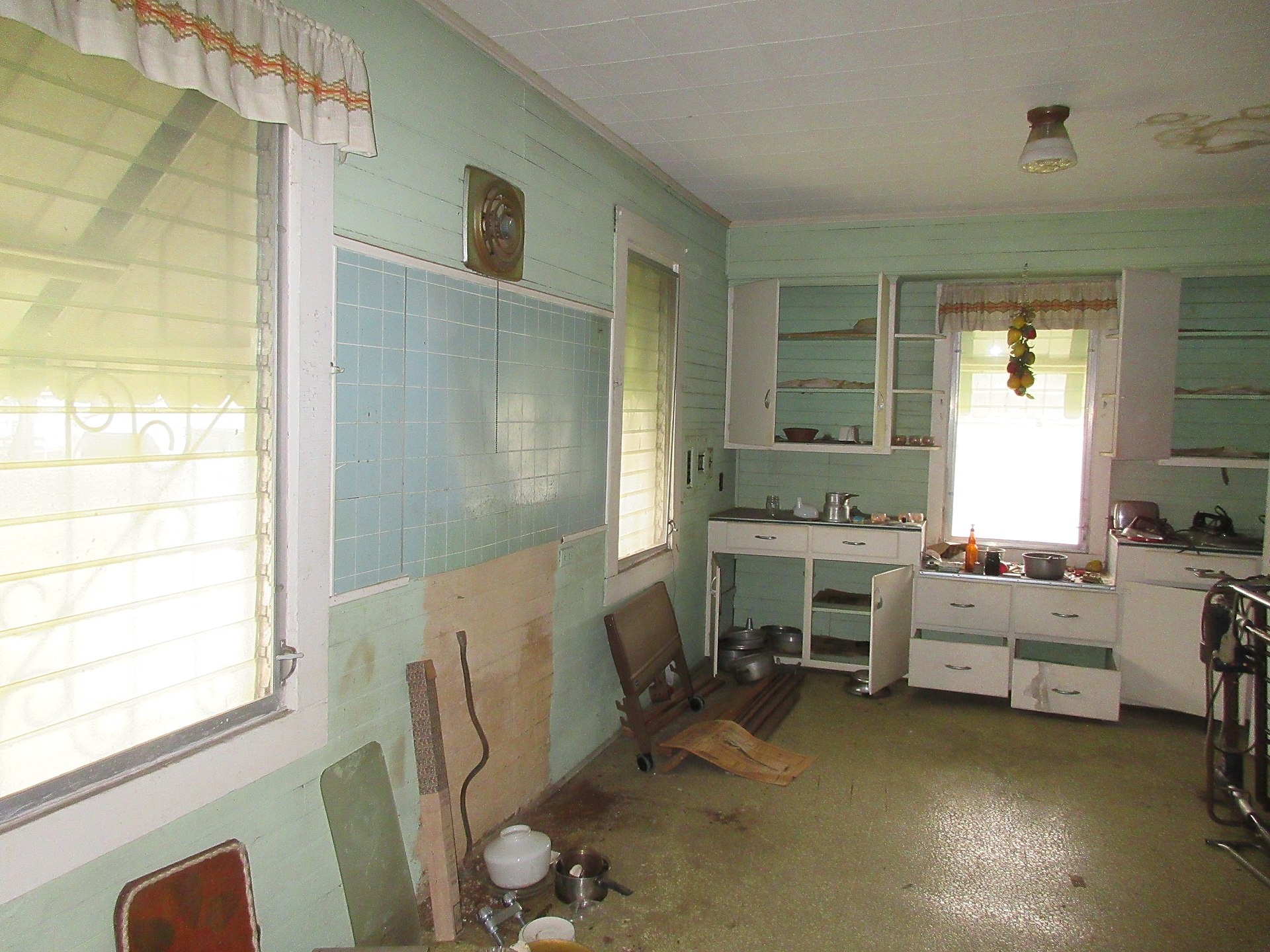
Selling a house as-is means the buyer accepts the property in its current condition and won't ask you to make repairs or credit them for defects discovered later. Sold as-is to a direct cash buyer, the sale also skips showings, cleanouts, and lender requirements entirely: EZ Time makes a written offer in about 24 hours and closes in as little as 2-3 weeks, with no commissions or fees.
What "As-Is" Actually Means
Legally, "as-is" shifts the property's condition risk to the buyer. It does not mean you can hide known problems: most states still require sellers to disclose known material defects (like a basement that floods or a failed septic system), even in an as-is sale. Honest disclosure protects you legally, and with a buyer like us, it doesn't hurt your outcome, because we price condition in from the start rather than renegotiating after an inspection.
What an As-Is Listing Doesn't Save You From
Plenty of sellers list "as-is" with an agent and are surprised to find the process feels the same as any listing: buyers still order inspections, still ask for credits, still walk away, and their lenders can still refuse to finance a house with a bad roof or safety issues. FHA and VA loans in particular have minimum property standards that disqualify many fixer-uppers, which shrinks your buyer pool to cash buyers and renovation lenders anyway. An as-is listing changes expectations; it doesn't change the mechanics.
Selling as-is to a direct cash buyer changes the mechanics: no inspections used as renegotiation leverage, no financing to fall through, no showings, and no cleaning, we regularly buy houses with the furniture, the boxes, and the full garage left behind.
The Honest Economics
An as-is cash offer reflects three real numbers: the renovated value of the house, the true cost of getting there, and the buyer's margin. What surprises many sellers is how the listed alternative nets out once you subtract a 5–6% commission, seller closing costs, buyer repair credits, and months of taxes, insurance, and utilities. For houses needing real work, the gap between our offer and the realistic net of an as-is listing is often modest, and sometimes inverted. Run your own numbers in the cash offer calculator, or see the full side-by-side comparison.
Situations Where As-Is Sales Shine
- Deferred maintenance that would cost more to fix than it returns (full guide)
- Inherited houses full of belongings nobody has time to sort (inherited house guide)
- Fire, water, or structural damage that scares off financed buyers
- Dated homes: original kitchens and baths that would need a full renovation to compete on the market
- Hoarding situations, where privacy and zero-cleanout matter as much as price
Frequently Asked Questions
Do I have to clean out the house before closing?
No. Take what you want and leave the rest, furniture, appliances, clothes, boxes, tools, whatever. Post-closing, we handle the cleanout. For estate sales especially, this is often the single biggest relief of the whole process.
Do I still have to disclose problems if I sell as-is?
In most states, yes, known material defects must be disclosed regardless of an as-is sale. Disclosure laws vary by state, and we'll never advise you to withhold anything. With us it genuinely doesn't hurt: we price the house assuming it needs work, so telling us about the cracked foundation changes nothing except our repair line item being accurate.
Will you really buy a house in any condition?
Yes, condemned houses, fire damage, failed septic, black mold, hoarder houses, unpermitted additions. Condition determines the offer amount, not whether we make one. The rare deals we pass on are usually about title problems, not condition, and we'll tell you quickly if so.
Is selling as-is faster than fixing the house up first?
Almost always. A renovation-then-list path means months of contractor work before you even hit the market, then the normal 60–90 day sale process. An as-is cash sale skips both. The renovation path can net more on paper, but only if the project comes in on budget and the market holds. We're happy to talk through both paths honestly for your specific house.
Does 'as-is' affect the closing process or paperwork?
Barely. The purchase agreement states the property sells in its present condition, and the rest of the closing is identical to any sale, title search, settlement statement, deed transfer through a licensed title company. You'll still complete your state's standard disclosure form where required. What disappears is everything between contract and closing that plagues listed sales: inspection negotiations, lender repair conditions, and appraisal surprises.
The EZ Time Standard
Six promises we make on every transaction, in every market. Not marketing lines, operating policy.
Every offer in writing, math included
The after-repair value, repair estimate, and our margin, line by line. If a number moves, you see why.
Both options in one conversation
The fast cash offer and the Retail Buyer Program number, side by side, so the trade-off is concrete before you decide anything.
No fees or commissions, either path
Your number is your number. Typical seller closing costs are on us, and nothing is deducted later.
Licensed title company closings, always
Funds and documents go through a neutral title company or closing attorney on every transaction. No exceptions.
No pressure, by policy
Our offers don't expire in 24 hours, and "let me think about it" is a perfectly good answer. Take the offer to your attorney.
Straight answers about our role
If a vetted local partner will be the closing buyer on your property rather than us directly, you'll know before you sign anything.
These promises have names attached. Meet Eric and Carson, the people who answer when you call.
Related Guides
Ready to see both of your numbers?
Tell us about your property once and get a written cash offer, plus what our Retail Buyer Program could net you instead. No repairs, no fees, no pressure to accept.