
Sell a House That Needs Repairs, Without Making Them
Reviewed by Eric Roebuck & Carson Whaley · Updated August 25, 2026
Roof, foundation, fire, water, mold, or thirty years of deferred maintenance: we buy houses that need work, and we'll help you think clearly about whether fixing first is ever worth it.


You'll work directly with Eric and Carson, the owners, not a call center.
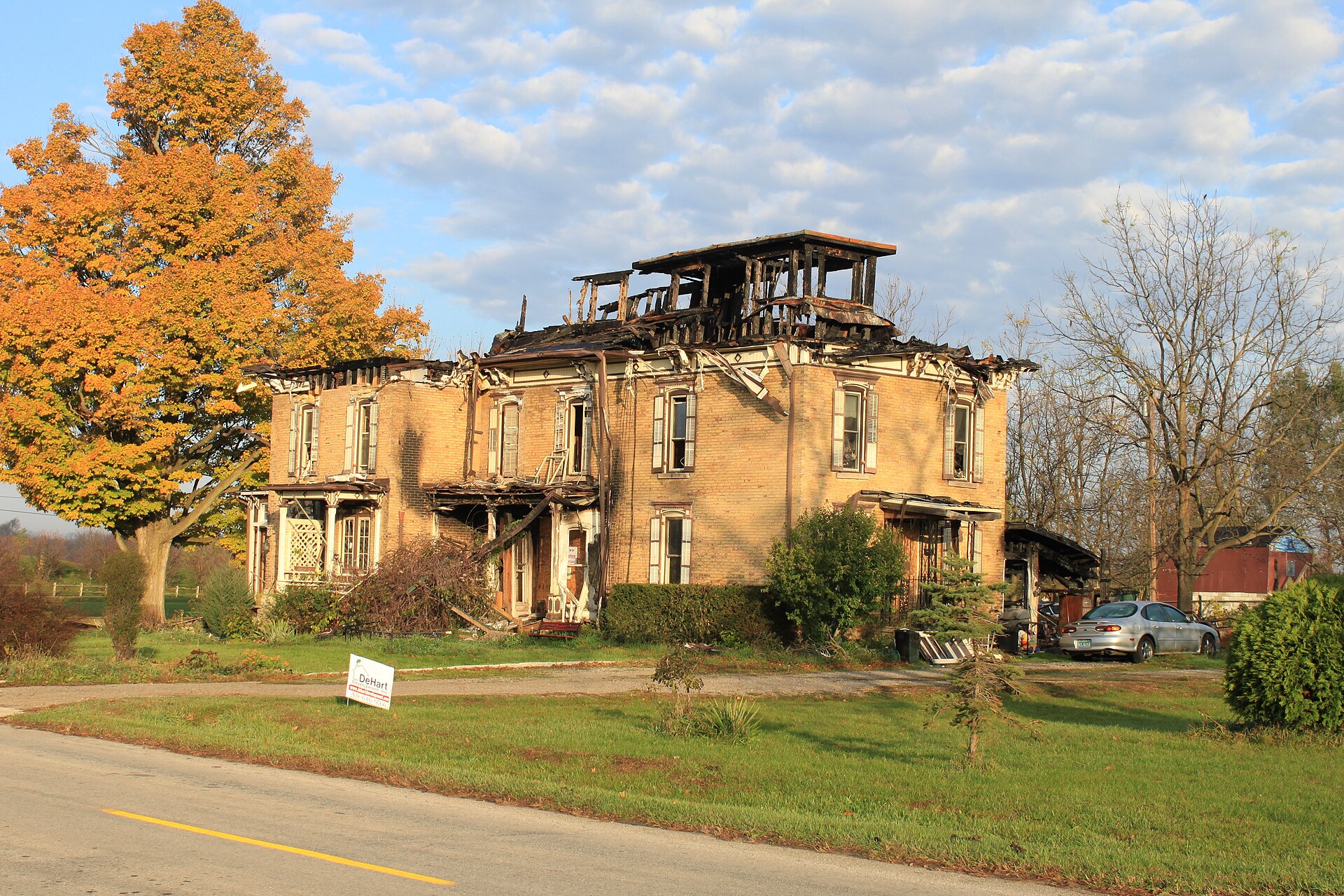
You can sell a house that needs repairs without fixing anything: a direct cash buyer purchases it as-is and prices the work into the offer instead of asking you to fund it. Our written offer arrives about 24 hours after a walkthrough and shows the after-repair value, an itemized repair estimate, and our margin. Serious defects shrink a listed sale's buyer pool to cash buyers anyway, because FHA and VA loans require homes to meet minimum property standards.
The Repair-First Trap
The instinct is understandable: fix it up, then sell for more. Sometimes that's right, but the math fails more often than homeowners expect, for three reasons:
- Renovations rarely return 100%. Industry cost-vs-value studies consistently show most major projects recoup well under their cost at resale, a $50,000 kitchen doesn't add $50,000 of price.
- Budgets and timelines slip. Contractors uncover problems, materials run over, and every extra month is another mortgage payment, tax bill, and insurance premium.
- You're funding it upfront. The money comes out of your pocket now for a return that's theoretical until closing day.
Repairing first tends to make sense for light cosmetic work on a house you can comfortably carry, our buyer's-eye guide to what not to fix before selling breaks down exactly which projects return money and which don't. For structural, fire, water, or whole-house renovation scale, selling as-is usually protects you better. We'll walk through your specific numbers honestly, including telling you if a $3,000 spruce-up and a traditional listing is your best move.
What Damage Does to Your Buyer Pool
Here's what listing agents often don't spell out: serious defects shrink your market to cash buyers anyway. FHA and VA loans require the house to meet minimum property standards, active leaks, exposed wiring, structural issues, and bad roofs are automatic problems. Conventional lenders and their appraisers balk too. So a listed fixer-upper mostly attracts the same investors we compete with, except the listed route adds commissions, months, and inspection renegotiations to the same buyer pool. Getting our written offer first gives you the floor before you decide anything.
Damage We Buy Regularly
- Roof and water damage: active leaks, ceiling collapse, rotted decking
- Fire damage: from smoke damage to partially burned structures (see the insurance note below)
- Foundation and structural: bowing walls, settling, failed supports
- Mold and environmental: including houses that need full remediation
- Failed systems: dead furnaces, bad septic, knob-and-tube or fuse-box electrical
- Unfinished projects: renovations that ran out of money or steam mid-way
- Condemned or code-violation properties: open violations transfer to us at closing in most jurisdictions
If You Have an Insurance Claim: Read This First
Fire and water sellers often worry a sale forfeits their insurance claim. Generally, a claim for damage that occurred while you owned and insured the home belongs to you, and selling doesn't automatically surrender it, but timing, mortgagee interests, and policy terms matter. Talk to your adjuster (and ideally a public adjuster or attorney) before accepting any offer, ours included. We're comfortable structuring around open claims and can wait for a claim to resolve if that nets you more.
Frequently Asked Questions
Is there any level of damage you won't buy?
Condition almost never kills a deal, we've bought burned, flooded, condemned, and structurally failing houses. When we pass, it's typically a title problem or a seller price expectation that no cash buyer can meet, not the damage itself. Either way you'll know quickly, with reasons.
How do you price a house that needs major repairs?
Same formula as every offer, with a bigger repair line: after-repair value from real comparable sales, minus an itemized repair estimate, minus our costs and margin. We show you the repair estimate itself, if you think a number is wrong, challenge it. Sellers with contractor quotes sometimes move our number, and that's fine by us.
Should I get contractor estimates before selling?
Only if you're genuinely considering doing the work. For selling as-is, you don't need them, though if you already have quotes, share them; real local pricing sharpens the offer. What we'd avoid: spending weeks collecting bids for repairs you already know you don't want to fund.
Can I just disclose the problems and let a regular buyer deal with them?
You can, that's an as-is listing, and it's a legitimate path. Just go in clear-eyed: disclosed major defects narrow your buyer pool to investors and the rare renovation-loan buyer, invite inspection-driven renegotiation, and add months of carrying costs while the house sits. Get our written offer first so you know your floor, then decide whether the listing upside justifies the wait.
The city has condemned the house / issued violations. Can I still sell?
Usually, yes. In most jurisdictions open code violations and even condemnation transfer with the property, and resolving them becomes our responsibility after closing. Some cities require escrowed repair funds or point-of-sale steps, which the title company handles as part of closing. Bring us the violation notices and we'll map the path.
The EZ Time Standard
Six promises we make on every transaction, in every market. Not marketing lines, operating policy.
Every offer in writing, math included
The after-repair value, repair estimate, and our margin, line by line. If a number moves, you see why.
Both options in one conversation
The fast cash offer and the Retail Buyer Program number, side by side, so the trade-off is concrete before you decide anything.
No fees or commissions, either path
Your number is your number. Typical seller closing costs are on us, and nothing is deducted later.
Licensed title company closings, always
Funds and documents go through a neutral title company or closing attorney on every transaction. No exceptions.
No pressure, by policy
Our offers don't expire in 24 hours, and "let me think about it" is a perfectly good answer. Take the offer to your attorney.
Straight answers about our role
If a vetted local partner will be the closing buyer on your property rather than us directly, you'll know before you sign anything.
These promises have names attached. Meet Eric and Carson, the people who answer when you call.
Related Guides
Ready to see both of your numbers?
Tell us about your property once and get a written cash offer, plus what our Retail Buyer Program could net you instead. No repairs, no fees, no pressure to accept.