
We Buy Houses in Indiana
Indiana runs one of the country's highest foreclosure rates and one of its cheapest, simplest closing processes, no transfer tax, low costs, judicial timelines that give sellers months of runway. Here's how to make every one of those rules work in your favor as a seller.


You'll work directly with Eric and Carson, the owners, not a call center.
Median sale price
$259K
Indianapolis median, up 2.3% YoY (Redfin, mid-2026)
Days on market
~21
days on market in Indianapolis (Redfin, mid-2026)
Population
2.2M
Indianapolis metro, growing at double the national rate
Foreclosure runway
8-10 months
typical judicial timeline, despite top-3 filing rates
Written offers, math included
Every offer shows the ARV, repair estimate, and our margin, line by line.
Licensed title company closings
Funds and documents always go through a neutral title company or attorney.
No fees, no commissions
Cash offer or Retail Buyer Program: your number is your number, on either path.
Two Ways to Sell. One Conversation.
Tell us about your home once and see both numbers side by side: a fast cash offer, and the higher number our Retail Buyer Program can reach while keeping the sale just as easy for you.
Fast and certain
As-Is Cash Offer
- Sell in any condition, no repairs or cleaning
- Written offer with the math shown line by line
- Close in as little as two weeks, on your date
More money, full service
Retail Buyer Program
- More money than a typical cash offer
- Keeps the easy part: one conversation, we handle the work
- Your proceeds agreed in writing, no commissions, no fees
Not sure which fits? Our honest comparison of every way to sell includes the paths that aren't ours.
How Selling to Us Works
A straightforward process with no showings, no open houses, and no waiting on bank financing.
- 1
Tell us about the house
Share the address and a few details. It takes about two minutes, and nothing is binding.
- 2
Get a fair cash offer
We research the property and local market, then present a written, no-obligation cash offer with the math explained.
- 3
Pick your closing date
Need to close in days, or need a few months? You choose the timeline that works for you.
- 4
Close and get paid
We close through a licensed title company or attorney. No repairs, no fees, no commissions.
Whatever the Situation, We've Seen It
Every seller's circumstances are different. Pick yours to see exactly how the process works.

Inherited a house
Probate, multiple heirs, out-of-state estates
Learn more →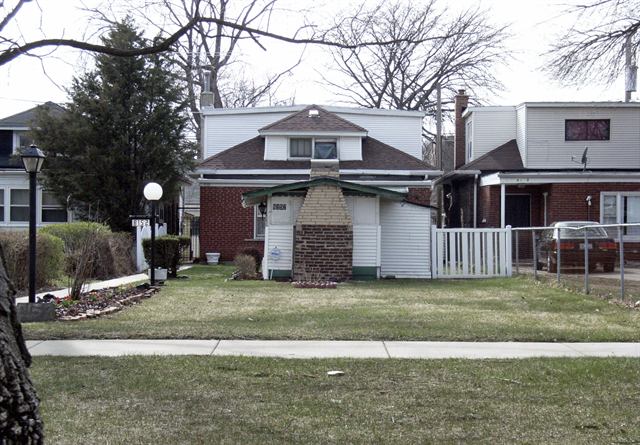
Facing foreclosure
Sell before the auction and protect your equity
Learn more →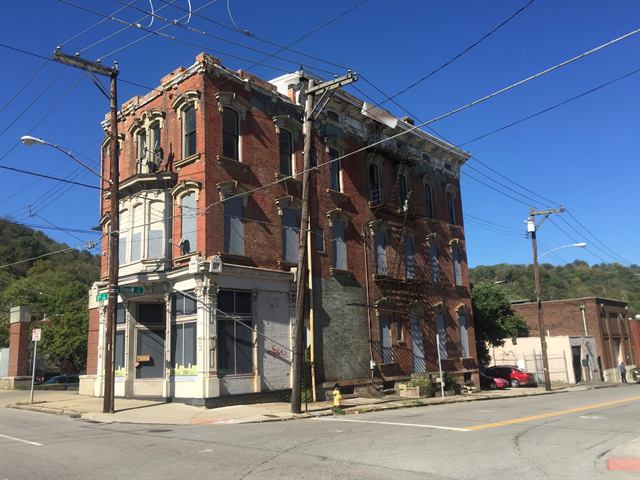
Tired landlord
Sell with tenants in place, even difficult ones
Learn more →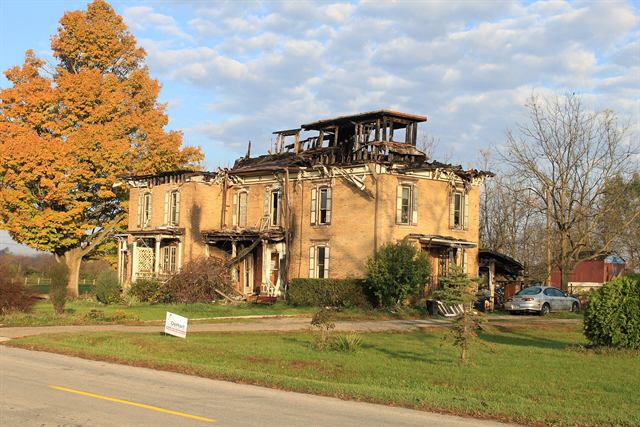
House needs repairs
Fire, water, foundation, roof: we buy as-is
Learn more →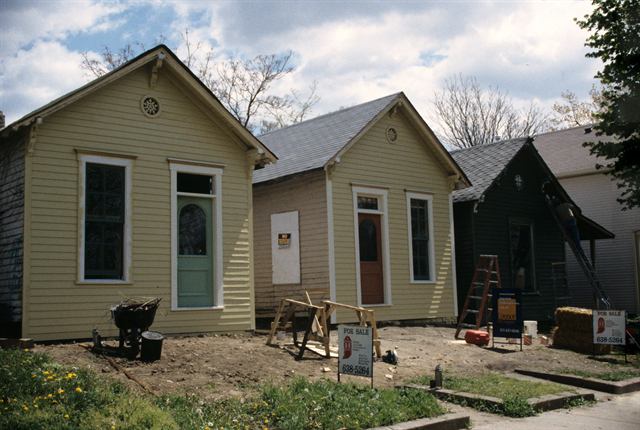
Vacant property
Stop paying taxes and insurance on an empty house
Learn more →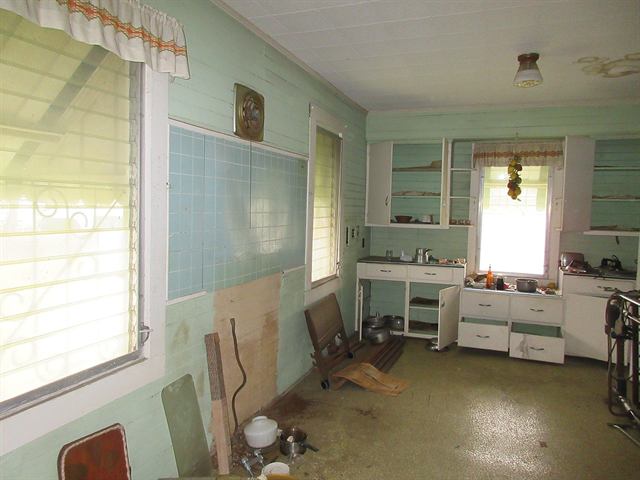
Selling as-is
No cleaning, no repairs, no showings
Learn more →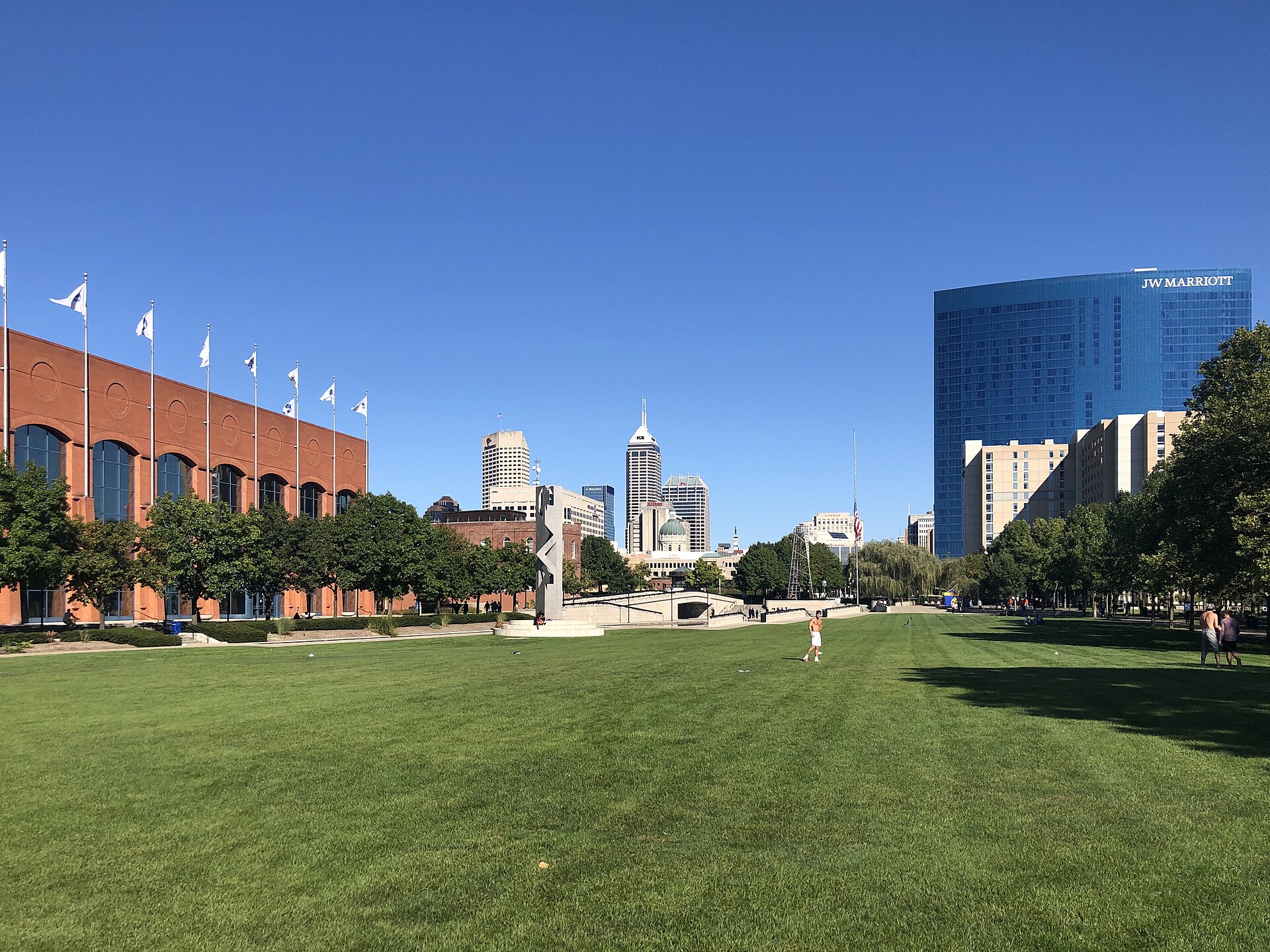
Indiana's Foreclosure Math: High Rates, Long Runway
Indiana posted one of the three highest state foreclosure rates in the nation in the first half of 2026 (per ATTOM), a hangover of stretched budgets meeting high rates. But Indiana also forecloses judicially, with a statutory three-month waiting period between the lawsuit being filed and the court issuing an order of sale; the full path from first missed payment to sheriff's sale typically runs 8–10 months. One important asymmetry: Indiana's redemption happens before the sale, not after. Once the sheriff's hammer falls, it's final.
That combination, long runway, hard ending, rewards early movers. Eight months is enough time to negotiate a modification, sell retail, or close a cash sale several times over; it is not enough time to hope the problem away while fees compound. Start with the full options guide, then act on whichever path fits.
Indiana Seller Quick Facts
| Foreclosure type | Judicial only, 3-month statutory wait after filing; ~8–10 months typical overall |
| Post-sale redemption | None, redemption only before the sheriff's sale |
| Disclosure | State Form 46234 before offer acceptance; estate/court-ordered/foreclosure transfers exempt |
| Transfer tax | None, flat recording fees only |
| Closing custom | Title/escrow state, among the lowest closing costs in the US |
| Probate | Unsupervised administration standard; small-estate affidavit to $100K |
| Property tax | ~0.73% effective, with homestead caps |
Selling Rules Worth Knowing in Indiana
No transfer tax
Indiana charges none; sellers pay only modest flat recording costs, and the state is regularly cited among the cheapest closing-cost states in America.
Title-company closings
Standard escrow statewide.
Disclosure
The Seller's Residential Sales Disclosure (State Form 46234) is required before accepting an offer for most sales, with exemptions for estate transfers, court-ordered sales, foreclosure-related transfers, and co-owner deals. Executors and heirs typically skip it.
Probate
Unsupervised administration is the norm for uncontested estates, and the small-estate affidavit covers estates up to $100,000 after a 45-day wait. Inherited an Indiana house? The probate guide walks the sequence.
Landlords
Marion County's $5-per-year registration is the lightest in our footprint, the exit decision here is about tired portfolios, not paperwork. We buy rentals with tenants in place, single houses or whole portfolios.
Situations We Handle Across Indiana
- Foreclosure-runway sales: the state's defining situation: top-three filing rates nationally, but 8–10 months of judicial runway for sellers who start early.
- Inherited houses: estate-exempt disclosure, unsupervised administration, and contents-included purchases with remote closings.
- Portfolio and tenant-occupied sales: from a single double to a retiring landlord's whole list, coordinated in one closing.
- Wet-basement and repair-heavy houses: Indiana's older stock runs on drainage problems and deferred systems; both are line items, not verdicts.
- Vacant property: no state registry, but insurance vacancy limits and municipal code enforcement still tax the empty house monthly.
What to Expect From Your Indiana Offer
Every Indiana offer itemizes the after-repair value from your market's comps, the repair estimate, and our margin, written down, comparable against any other offer you collect (collect several; we mean it). Settlement is among the nation's simplest: payoffs, prorated taxes, no transfer tax, small flat recording costs, your wire. Standard closing costs are ours, title companies close statewide, and two to three weeks is typical once title clears.
The Indiana Market Right Now
The Indianapolis metro is the state's engine: 2.2 million people, growing at double the national rate, with Eli Lilly's expansion, the state's dominant logistics sector, Elevance, Roche, and Rolls-Royce providing the jobs. The market is quick and rising, Indy's median sits around $259,000, up 2.3% year over year, with homes averaging just 21 days on market (per Redfin, mid-2026). Fort Wayne, Evansville, and South Bend offer steady, affordable secondary markets where investor demand stays consistent.
A fast, rising market lifts both selling paths: retail-ready houses list well, and the after-repair values behind our offers keep climbing. The houses stuck in between are where a written cash offer does its best work: solid bones but a failed inspection, a paying tenant a retail buyer won't inherit, an estate with heirs in three time zones. In a 21-day market, those houses still sit for months; ours is the number that ends the sitting.
Where We Buy in Indiana
- Indianapolis: the east side, Fountain Square, Near Eastside, Garfield Park, and the full Marion County donut
- Fort Wayne: the Midwest's fastest-growing large city, from West Central's Victorians to Southeast's fast-appreciating worker housing
- Evansville: Jacobsville, Haynie's Corner, and the South Side, plus the rental registration calendar landlords keep missing
- South Bend: Near Northwest, River Park's university rentals, and vacant houses facing the city's V&A program
- Lafayette: Purdue-corridor student rentals and the historic districts of Ninth Street Hill and Highland Park
- Anderson: GM-era worker housing, subdivided gas-boom mansions, and tax-sale situations
- Statewide: Gary and the Region, Bloomington, Muncie, Terre Haute, Kokomo, all 92 counties, any condition, as-is. Indiana's smaller cities carry some of the most affordable housing stock in the country, and steady rental demand keeps investor interest, and therefore our offers, consistent in markets national buyers routinely ignore.
One walkthrough, a written offer showing the after-repair value, itemized repairs, and our margin, then a title-company closing on your schedule, the process never varies, whether the property is a Fountain Square double, a Fort Wayne ranch, or a farmhouse an hour from the nearest interstate.
Compare Your Options in Indiana
Want to see how we stack up before you call anyone? We ranked the companies that buy houses in Indiana, including ourselves, with every company's publicly visible evidence shown so you can check our work. And before you sign anything with any buyer, our guide to selling a house in Indiana walks through the state's disclosure rules, foreclosure timeline, taxes, and closing process in plain language. For the two situations we see most, our guides to selling an inherited house in Indiana and the Indiana foreclosure process go statute by statute, and selling a house in Indianapolis covers the local rules in our biggest Indiana market.
Want the raw numbers behind this market? Our Indiana housing market analysis charts home prices, listing prices, and inventory across the last 16 quarters, with every source linked.
Frequently Asked Questions
The bank filed a foreclosure lawsuit on my Indiana house. How long before I actually lose it?
Typically many months: you have 20 days to answer the complaint, the court can't issue an order of sale until at least 3 months after filing (for modern mortgages), and sheriff's sale scheduling adds more time, 8 to 10 months from first missed payment is the common arc. But Indiana redemption ends at the sale itself, so the deadline is real. Use the runway: servicer conversation this week, written cash offer in hand within days, decision made with months to spare.
What does selling a house actually cost in Indiana?
To us: essentially your payoffs. No transfer tax exists, recording fees are flat and small, we cover standard closing costs, and there's no commission. The settlement statement typically shows your mortgage/lien payoffs, prorated property taxes, and the wire to you, one of the shortest cost lists in the country.
I'm the personal representative of an Indiana estate. Can I sell the house before probate closes?
Usually yes, under unsupervised administration the personal representative can sell without a court order for each transaction, and estate transfers are exempt from the state disclosure form. Proceeds go to the estate account for distribution when administration wraps. We coordinate directly with the estate's attorney and can hold a firm offer while your appointment finalizes.
Indiana's disclosure form is due before I accept an offer. How does that work with a cash sale?
Same sequence, simpler stakes: for non-exempt sales we'll ask you to complete State Form 46234 before the purchase agreement is signed, and your answers feed directly into the repair estimate rather than becoming later negotiation ammunition. Estate representatives, foreclosure-related sellers, and co-owner transfers skip the form entirely, the title company confirms your category in writing.
Do you buy in Fort Wayne, Evansville, and smaller Indiana towns?
Yes, statewide. Indianapolis, Fort Wayne, Evansville, South Bend, Lafayette, and Anderson each get a dedicated local guide, and the buying footprint covers all 92 counties, including rural properties, with the same written-offer process everywhere.
The EZ Time Standard
Six promises we make on every transaction, in every market. Not marketing lines, operating policy.
Every offer in writing, math included
The after-repair value, repair estimate, and our margin, line by line. If a number moves, you see why.
Both options in one conversation
The fast cash offer and the Retail Buyer Program number, side by side, so the trade-off is concrete before you decide anything.
No fees or commissions, either path
Your number is your number. Typical seller closing costs are on us, and nothing is deducted later.
Licensed title company closings, always
Funds and documents go through a neutral title company or closing attorney on every transaction. No exceptions.
No pressure, by policy
Our offers don't expire in 24 hours, and "let me think about it" is a perfectly good answer. Take the offer to your attorney.
Straight answers about our role
If a vetted local partner will be the closing buyer on your property rather than us directly, you'll know before you sign anything.
These promises have names attached. Meet Eric and Carson, the people who answer when you call.
Nearby Areas We Buy In
Related Guides
Ready to see both of your numbers?
Tell us about your property once and get a written cash offer, plus what our Retail Buyer Program could net you instead. No repairs, no fees, no pressure to accept.