
That Empty House Is Costing You Every Month
Reviewed by Eric Roebuck & Carson Whaley · Updated August 25, 2026
Vacant houses don't just sit, they drain money and accumulate risk. Whether it's across town or across the country, here's what holding really costs and how to sell without ever going back.


You'll work directly with Eric and Carson, the owners, not a call center.
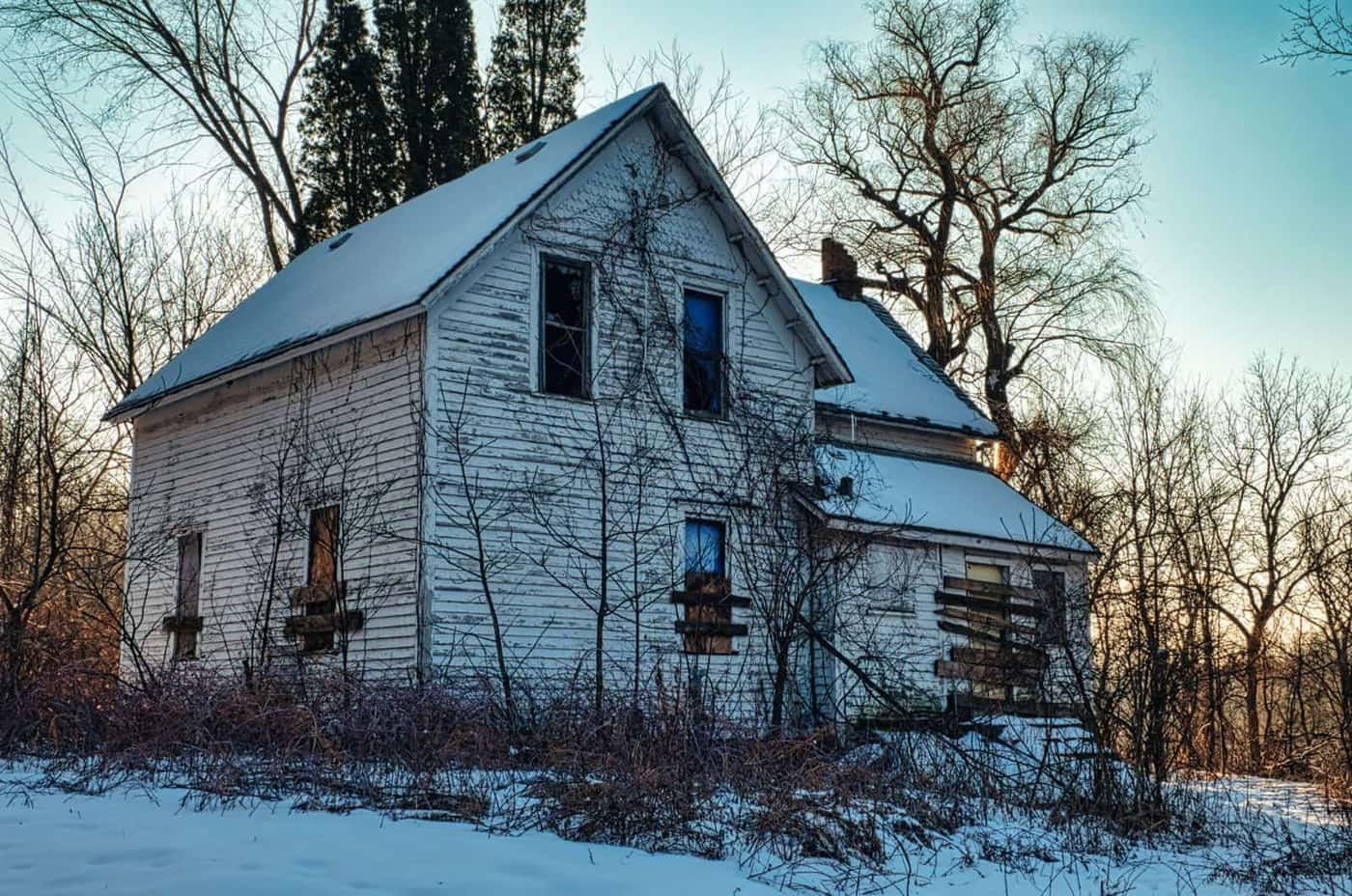
The fastest way to sell a vacant house is a direct cash sale, and it can happen entirely remotely: a video or lockbox walkthrough, electronic documents, and a mail-away or remote notarized closing, with a written offer in about 24 hours and a closing in as little as 2-3 weeks. Selling now also stops the carrying costs, which for a typical vacant house run $5,000-$15,000+ per year in taxes, insurance, utilities, and maintenance.
The Real Carrying Cost of an Empty House
Add up what a vacant property actually costs per year:
- Property taxes: due whether anyone lives there or not
- Insurance: and this one bites: standard homeowner's policies commonly limit or exclude coverage after 30–60 days of vacancy, and proper vacant-home policies typically run 1.5–3× the normal premium. Many owners discover the coverage gap only when a claim is denied.
- Utilities: minimal heat to prevent frozen pipes, electricity for safety
- Maintenance: lawn, snow, gutters; many cities fine owners for neglect, and some require vacant-property registration with annual fees
- The mortgage, if there is one, on a house producing nothing
For a typical house, that's easily $5,000–$15,000+ per year, before anything goes wrong.
And Things Go Wrong Faster in Empty Houses
Nobody notices the water heater leak on day one. Pipes freeze, roofs leak quietly, mold spreads, pests move in, and vacant homes are prime targets for break-ins, copper theft, vandalism, and squatters. Removing squatters can take months of formal legal process in many states. Insurance industry data consistently shows vacant properties suffer dramatically higher rates of theft, vandalism, and severe water damage. Every month vacant, the house's condition, and value, trends one direction.
Why Vacant Houses Sit on the Traditional Market
Empty rooms show poorly, and buyers read vacancy as motivation and discount their offers accordingly. Agents recommend staging ($2,000–$5,000+), the house needs to stay maintained and secure through months of showings, and if it's winter in a cold state, you're heating an empty building through the whole listing. It's a solvable problem, but it's money and attention flowing into a house you've already mentally moved on from.
Selling to Us: Possibly Without Another Trip
Vacant properties are our simplest purchases: no tenants to schedule around, no family logistics, walkthrough any time. For out-of-state owners, heirs, retired landlords, people who moved for work and never sold, we handle the entire transaction remotely: video or lockbox walkthrough, digital documents, remote or mail-away notarized closing, proceeds wired. Many of our vacant-house sellers never set foot in the property again after the day they decided to sell. If the house still has belongings in it, leave them, that's part of the deal.
Frequently Asked Questions
Can I sell a vacant house from out of state without traveling?
Yes, this is routine for us. Evaluation happens by video or a local lockbox visit, contracts are signed electronically, and closing uses remote online notarization or mail-away documents depending on the state. Your proceeds are wired the day of closing.
The house has been empty for years and I'm not sure what condition it's in. Is that a problem?
No, 'I honestly don't know what's in there' is something we hear weekly. We'll assess it ourselves and price accordingly. Long-vacant houses often have hidden issues (moisture, pests, systems that no longer start), and our offer assumes we'll find some; there's no penalty for you not knowing.
What about back taxes or a vacant-property registration I never filed?
Both are workable. Unpaid taxes and municipal fees are paid out of your proceeds at closing by the title company, and unregistered-vacancy fines can usually be negotiated or settled as part of the transaction. Bring us whatever notices you have, surprises found later cost more than surprises shared early.
Should I tell my insurance company the house is vacant?
Yes, as uncomfortable as the premium increase is, the alternative is worse. If a loss occurs and the insurer discovers undisclosed vacancy beyond your policy's window (often 30–60 days), the claim can be denied entirely, leaving you with a damaged, uninsured house. If you're planning to sell soon, tell your agent that too; some insurers offer short-term vacant policies designed exactly for the sale window.
Is it better to rent it out instead of selling?
Sometimes, if the house is rent-ready, you want to be a landlord, and local rents justify it. But a house that needs work to rent requires the same upfront investment that makes fixing-to-sell risky, plus ongoing management (see our honest take on the landlord math). If you're keeping it vacant mostly to defer the decision, the carrying costs above are the price of deferring.
The EZ Time Standard
Six promises we make on every transaction, in every market. Not marketing lines, operating policy.
Every offer in writing, math included
The after-repair value, repair estimate, and our margin, line by line. If a number moves, you see why.
Both options in one conversation
The fast cash offer and the Retail Buyer Program number, side by side, so the trade-off is concrete before you decide anything.
No fees or commissions, either path
Your number is your number. Typical seller closing costs are on us, and nothing is deducted later.
Licensed title company closings, always
Funds and documents go through a neutral title company or closing attorney on every transaction. No exceptions.
No pressure, by policy
Our offers don't expire in 24 hours, and "let me think about it" is a perfectly good answer. Take the offer to your attorney.
Straight answers about our role
If a vetted local partner will be the closing buyer on your property rather than us directly, you'll know before you sign anything.
These promises have names attached. Meet Eric and Carson, the people who answer when you call.
Related Guides
Ready to see both of your numbers?
Tell us about your property once and get a written cash offer, plus what our Retail Buyer Program could net you instead. No repairs, no fees, no pressure to accept.