
We Buy Houses in Ohio
Ohio gives struggling homeowners more time than almost any state we buy in, judicial foreclosures take the better part of a year, and a redemption window stays open until the court confirms the sale. All that time is only valuable if you actually use it. Here's how sellers do.


You'll work directly with Eric and Carson, the owners, not a call center.
Median sale price
$304K
Columbus median, up 6.2% YoY (Redfin, mid-2026)
Days on market
~39
in Columbus, ~3 offers per home (Redfin, mid-2026)
Foreclosure speed
6-12 months
judicial only, redemption until court confirmation
Intel campus
$20B+
semiconductor build-out stacking Columbus demand
Written offers, math included
Every offer shows the ARV, repair estimate, and our margin, line by line.
Licensed title company closings
Funds and documents always go through a neutral title company or attorney.
No fees, no commissions
Cash offer or Retail Buyer Program: your number is your number, on either path.
Two Ways to Sell. One Conversation.
Tell us about your home once and see both numbers side by side: a fast cash offer, and the higher number our Retail Buyer Program can reach while keeping the sale just as easy for you.
Fast and certain
As-Is Cash Offer
- Sell in any condition, no repairs or cleaning
- Written offer with the math shown line by line
- Close in as little as two weeks, on your date
More money, full service
Retail Buyer Program
- More money than a typical cash offer
- Keeps the easy part: one conversation, we handle the work
- Your proceeds agreed in writing, no commissions, no fees
Not sure which fits? Our honest comparison of every way to sell includes the paths that aren't ours.
How Selling to Us Works
A straightforward process with no showings, no open houses, and no waiting on bank financing.
- 1
Tell us about the house
Share the address and a few details. It takes about two minutes, and nothing is binding.
- 2
Get a fair cash offer
We research the property and local market, then present a written, no-obligation cash offer with the math explained.
- 3
Pick your closing date
Need to close in days, or need a few months? You choose the timeline that works for you.
- 4
Close and get paid
We close through a licensed title company or attorney. No repairs, no fees, no commissions.
Whatever the Situation, We've Seen It
Every seller's circumstances are different. Pick yours to see exactly how the process works.
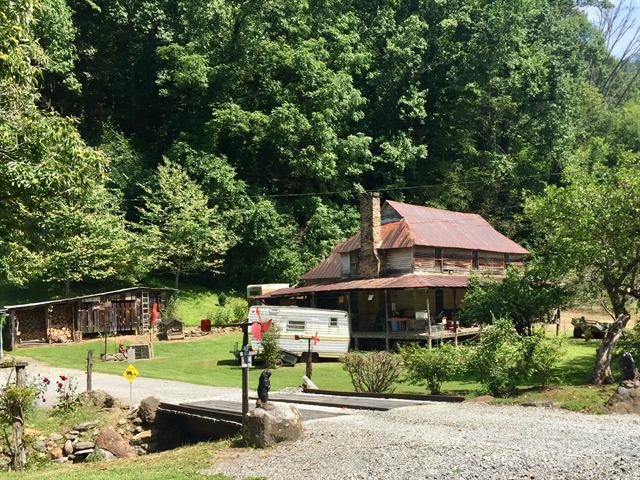
Inherited a house
Probate, multiple heirs, out-of-state estates
Learn more →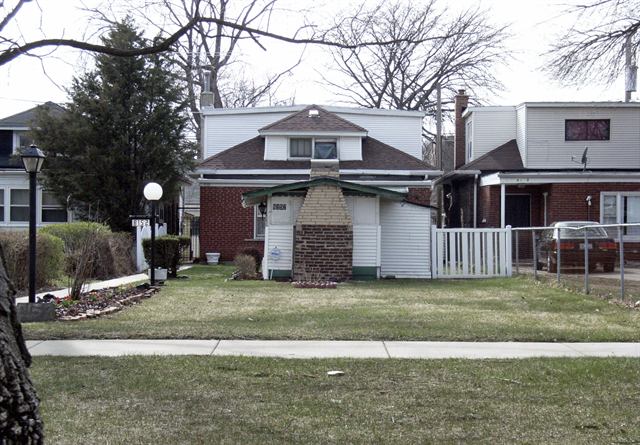
Facing foreclosure
Sell before the auction and protect your equity
Learn more →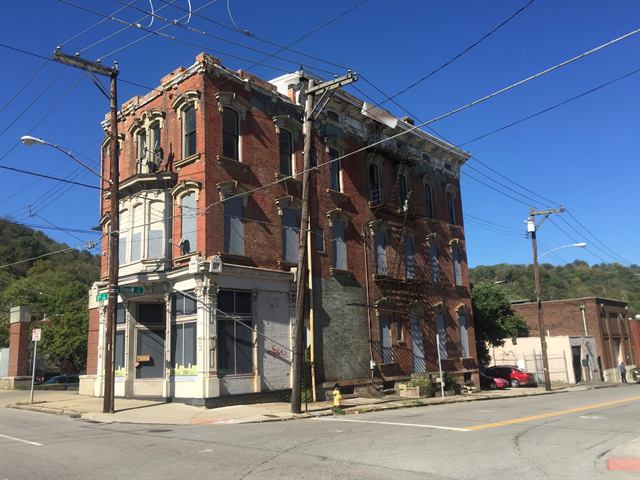
Tired landlord
Sell with tenants in place, even difficult ones
Learn more →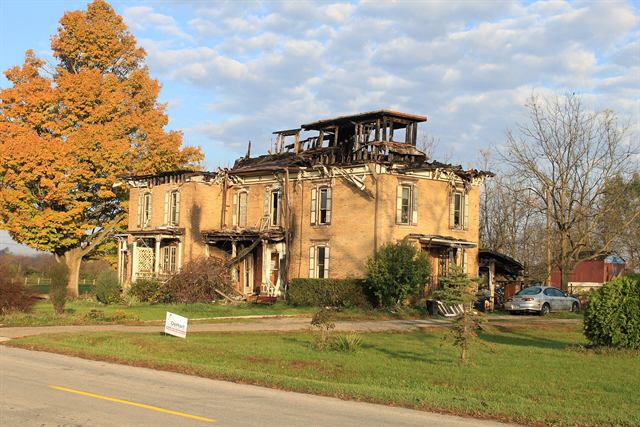
House needs repairs
Fire, water, foundation, roof: we buy as-is
Learn more →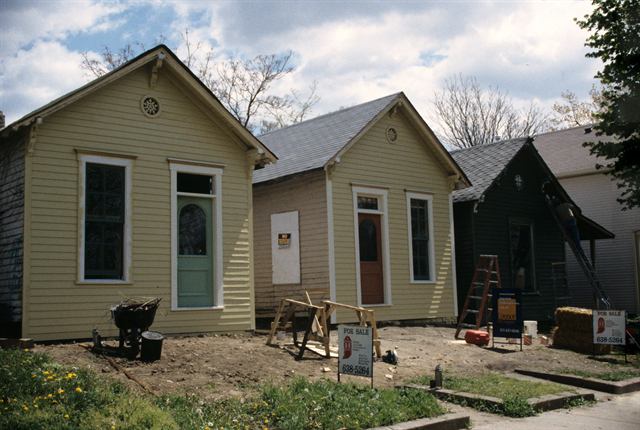
Vacant property
Stop paying taxes and insurance on an empty house
Learn more →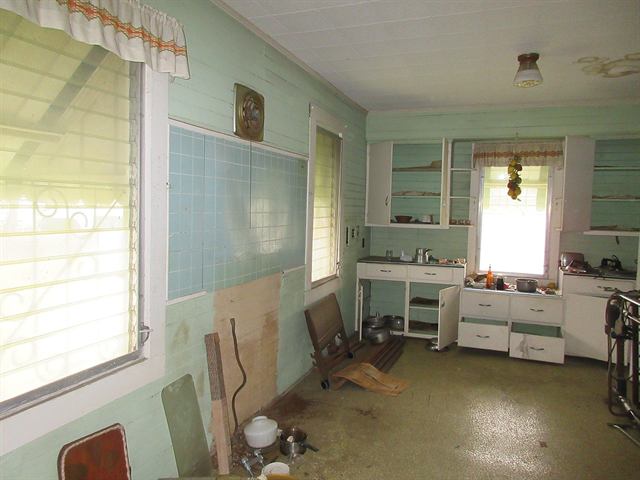
Selling as-is
No cleaning, no repairs, no showings
Learn more →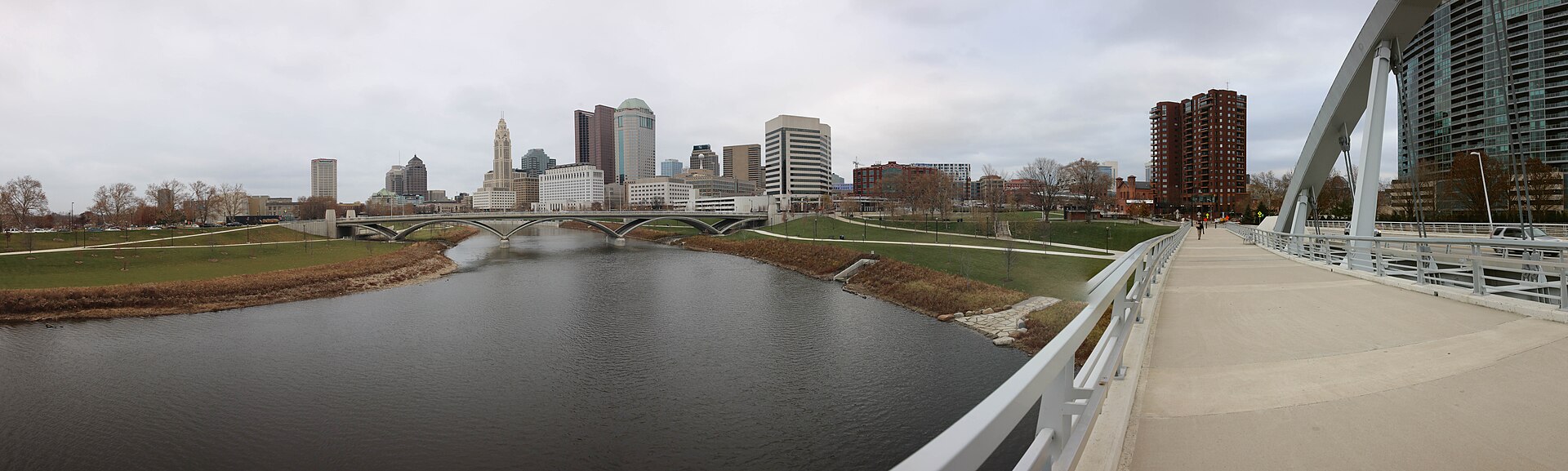
Ohio's Foreclosure Process: Slow, With a Built-In Second Chance
Ohio forecloses only through the courts: the lender sues, you get 28 days to answer, and the path to a sheriff's sale typically runs 6–12 months from the first missed payment. Even after the auction, Ohio keeps a door open that most states slam: equitable redemption, you can still pay off the judgment and keep the house any time until the court confirms the sale (ORC 2329.33), a window that can run days to a few months.
All that time is a genuine asset, enough to attempt a loan modification, a repayment plan, a full retail listing, or a cash sale twice over. What the time is not is a reason to wait: interest, fees, and legal costs compound monthly, shrinking whatever equity you'll walk away with. The playbook is in our foreclosure options guide; the short version is that every path works better started in month two than month eight.
Ohio Seller Quick Facts
| Foreclosure type | Judicial only, typically 6–12 months to sheriff's sale |
| Post-sale redemption | Yes, until the court confirms the sale (ORC 2329.33) |
| Disclosure | Ohio Residential Property Disclosure Form (ORC 5302.30); estate/fiduciary/foreclosure transfers exempt |
| Transfer tax | $1/$1,000 state + up to $3/$1,000 county, typically 0.2–0.4%, seller-paid |
| Closing custom | Title/escrow state |
| Probate | County probate courts; release-from-administration to $35K ($100K spouse); full administration ~6–12 months |
| Property tax | ~1.23% effective, above the US average |
Selling Rules Worth Knowing in Ohio
Disclosure
The Ohio Residential Property Disclosure Form (ORC 5302.30) is required for most sales, but the exemption list is long and useful: estate and fiduciary transfers, court-ordered sales, foreclosure-related transfers, and deals between co-owners. Executors and heirs generally skip the form entirely.
Transfer tax
The state conveyance fee is $1 per $1,000 plus county add-ons, most counties total $2–$4 per $1,000 (0.2–0.4%), customarily seller-paid.
Title-company closings
Standard escrow statewide.
Point-of-sale inspections are a suburb thing
Several Cleveland- and Akron-area suburbs require pre-sale city inspections or escrowed repairs; Columbus and most of the state don't. If your city has one, tell us, we buy through POS programs routinely and the escrow mechanics land on our side of the table.
Probate
County probate courts, with a 'release from administration' shortcut for estates up to $35,000 ($100,000 to a surviving spouse). Full administration runs 6–12 months; the probate guide maps the sequence.
Situations We Handle Across Ohio
- Foreclosure-timeline sales: Ohio's judicial process and confirmation-stage redemption give sellers here the most second chances in our footprint; equity survives for those who use the runway.
- Inherited houses: estate transfers skip the disclosure form, release-from-administration fast-tracks small estates, and we buy contents-included with remote closings for scattered heirs.
- Doubles and small multifamily: the classic Ohio investor stock, bought occupied or vacant, with Columbus's new registration regime handed off at closing.
- POS-suburb sales: where point-of-sale inspection ordinances apply, we assume the violations through escrow as part of closing.
- Land-bank-adjacent and tax-delinquent property: sellable until tax foreclosure completes, with balances cleared from proceeds.
What to Expect From Your Ohio Offer
Every Ohio offer itemizes the after-repair value from your market's comps, Columbus ARVs and Youngstown ARVs live on different planets, and the offer reflects yours, plus the repair estimate and our margin. Settlement runs: payoffs, prorated taxes, the 0.2–0.4% county conveyance fee, and your wire. Standard closing costs are ours, title companies close statewide, and two to three weeks is typical once title work clears.
The Ohio Market Right Now: Columbus Is the Story
Columbus is the Midwest's growth anomaly, 15th-largest US city, growing every year but one since 2011, with Intel's $20B+ semiconductor campus, Honda, Ohio State, JPMorgan Chase, and Nationwide stacking demand. The result: a median around $304,000, up 6.2% year over year, homes selling in 39 days at three offers apiece (per Redfin, mid-2026), among the strongest big-city markets in America. Cincinnati and Dayton are rising from lower bases; Cleveland, Akron, and Toledo offer some of the country's deepest value-investor markets, where the land banks and older stock keep cash transactions constant.
Rising Ohio ARVs feed directly into our offers: a strong market makes dated houses worth more as-is, not just after renovation. That effect is strongest in central Ohio right now, but even the value markets up north benefit, because land-bank activity and investor competition put a real floor under prices that national headlines never mention.
Where We Buy in Ohio
City guides for our six busiest Ohio markets:
- Columbus: Franklinton, Linden, the Hilltop, the South Side, and the full outerbelt
- Cincinnati: Price Hill, Westwood, Avondale, Walnut Hills, and the only major Ohio city still growing
- Cleveland: Slavic Village, Glenville, Collinwood, West Park, plus the POS-inspection suburbs
- Dayton: West Dayton, Old North Dayton, East Dayton, and Wright-Patterson relocation timelines
- Akron: Goodyear Heights, Firestone Park, Kenmore, and the century-old rubber-worker stock
- Toledo: East Toledo, the Old West End, Point Place, and the Dec 31, 2026 lead-safe deadline
- Statewide: Youngstown, Canton, Springfield, all 88 counties, every condition, as-is, including doubles and small multifamily with tenants in place
Same transparent process everywhere: one walkthrough, a written offer with ARV, repairs, and margin itemized, closing at a licensed title company on your date.
Compare Your Options in Ohio
Want to see how we stack up before you call anyone? We ranked the companies that buy houses in Ohio, including ourselves, with every company's publicly visible evidence shown so you can check our work. And before you sign anything with any buyer, our guide to selling a house in Ohio walks through the state's disclosure rules, foreclosure timeline, taxes, and closing process in plain language. For the two situations we see most, our guides to selling an inherited house in Ohio and the Ohio foreclosure process go statute by statute, and selling a house in Cleveland covers the local rules in our biggest Ohio market.
Want the raw numbers behind this market? Our Ohio housing market analysis charts home prices, listing prices, and inventory across the last 16 quarters, with every source linked.
Frequently Asked Questions
The sheriff's sale on my Ohio house already happened. Is it really not over?
Not until the court confirms the sale, Ohio's equitable redemption lets you pay the judgment in full up to confirmation, which can be weeks or occasionally months after the auction. Redemption requires the full payoff, so it usually only works via refinance, family funds, or a sale that closes fast enough. If there's meaningful equity in the house, call an attorney and us immediately, this exact window has saved sellers' equity before, but it's measured in days, not months.
My suburb requires a point-of-sale inspection. Does that block a cash sale?
No, POS programs (common around Cleveland and Akron) require the city inspection before transfer, and repairs can typically be assumed by the buyer through an escrow deposit. We handle that assumption as part of closing: the violations become our renovation list, funded from our side. Bring the inspection report or tell us the city; we'll know the program.
As the executor of an Ohio estate, do I have to complete the disclosure form?
Generally no, fiduciary and estate-administration transfers are exempt under ORC 5302.30. You'd still share anything you actually know about the property (concealment is never protected), but the form itself typically doesn't apply. The title company confirms your exemption in writing as part of the file.
What does Ohio's conveyance fee cost me at closing?
Between $2 and $4 per $1,000 of price in most counties, the state's $1 mill plus the county add-on, so roughly $500–$1,000 on a $250,000 sale, customarily paid by the seller and itemized on your settlement statement. It's the only meaningful government charge in an Ohio sale; we cover the standard closing costs on top of it.
Do you buy in Cleveland and northeast Ohio, or just Columbus?
Statewide, Cleveland, Akron, Canton, Youngstown, and the northeast are active markets for us, POS suburbs included. Columbus gets a dedicated guide because it's our busiest Ohio market, not our only one.
The EZ Time Standard
Six promises we make on every transaction, in every market. Not marketing lines, operating policy.
Every offer in writing, math included
The after-repair value, repair estimate, and our margin, line by line. If a number moves, you see why.
Both options in one conversation
The fast cash offer and the Retail Buyer Program number, side by side, so the trade-off is concrete before you decide anything.
No fees or commissions, either path
Your number is your number. Typical seller closing costs are on us, and nothing is deducted later.
Licensed title company closings, always
Funds and documents go through a neutral title company or closing attorney on every transaction. No exceptions.
No pressure, by policy
Our offers don't expire in 24 hours, and "let me think about it" is a perfectly good answer. Take the offer to your attorney.
Straight answers about our role
If a vetted local partner will be the closing buyer on your property rather than us directly, you'll know before you sign anything.
These promises have names attached. Meet Eric and Carson, the people who answer when you call.
Nearby Areas We Buy In
Related Guides
Ready to see both of your numbers?
Tell us about your property once and get a written cash offer, plus what our Retail Buyer Program could net you instead. No repairs, no fees, no pressure to accept.