
Can I Sell My House Before Foreclosure? Yes, Until the Gavel Falls
By Carson Whaley · Updated August 21, 2026 · 3 min read
Short answer: until the foreclosure auction actually happens, the house is yours and you can sell it. Here's the timeline you're really on, the math of selling while behind, and the traps set for people in exactly your position.
The Clock You're Actually On
Foreclosure feels instant when the letters start arriving; legally, it's a long process with defined stages:
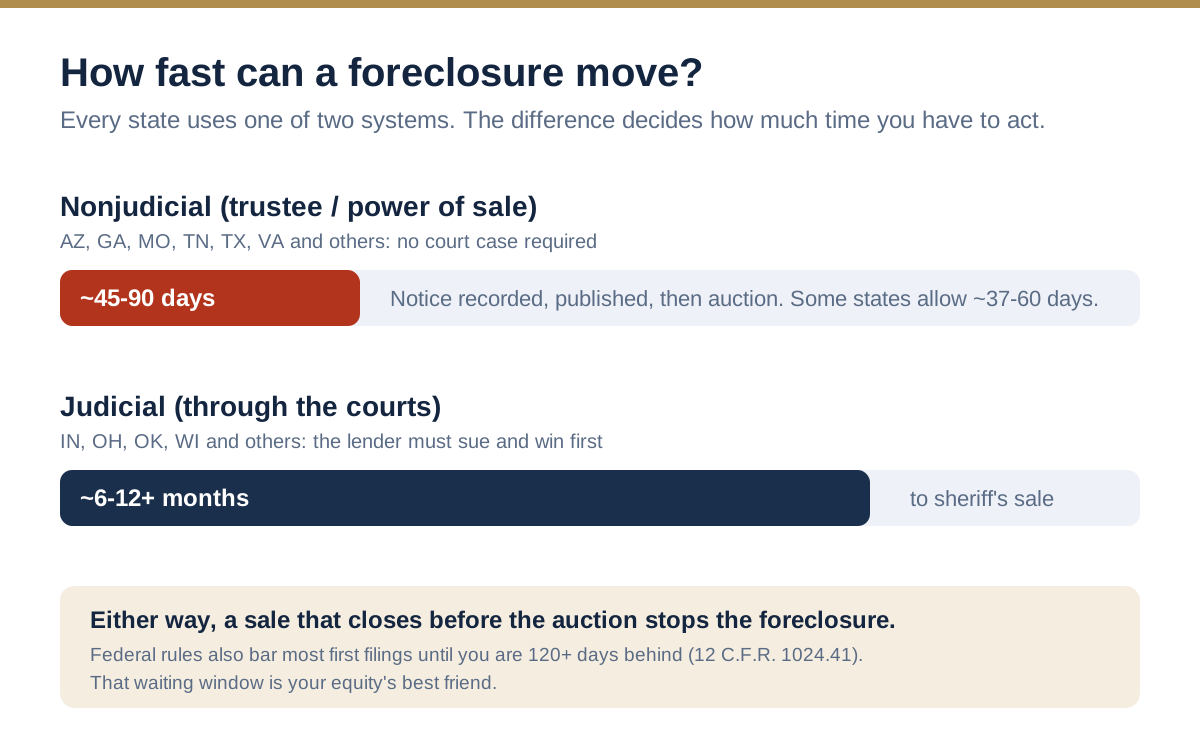
- Missed payments (days 1–120). Federal servicing rules generally bar the lender from starting foreclosure until you're more than 120 days delinquent. This entire window is yours, for catching up, negotiating, or selling.
- Notice of default / lis pendens. The formal start. In non-judicial states (trustee sales, much of the West and South), the notice-to-auction runway can be as short as 2–4 months. In judicial states (court foreclosure, including much of the Northeast and Midwest), it commonly runs 6 months to 2+ years.
- Sale date scheduled. Even here, you still own the house. Sales get postponed routinely, including because a legitimate closing is in escrow.
- Auction. This is the deadline. After the hammer (and any brief redemption period your state provides), your options collapse.
Every notice you receive names dates. Find the auction date, that's your planning horizon, and everything below works backward from it.
How Selling Works When You're Behind
Sellers sometimes assume being delinquent blocks a sale. It doesn't, it just changes the payoff math at closing. The title company orders a payoff statement from your servicer covering the loan balance, missed payments, late fees, and the lender's legal costs to date. At closing, the sale proceeds pay that figure first; everything above it is yours. Being in foreclosure doesn't entitle the lender to your equity, only to what you owe.
Example: house sells for $220,000; you owe $150,000 plus $12,000 in arrears and fees. The payoff of $162,000 clears at closing and roughly $58,000 (less any liens and prorations) comes to you. At auction, that same equity is at the mercy of opening bids and surplus-fund procedures that are slow, bureaucratic, and in some states easy to forfeit.
Your Credit: What Selling Saves
The missed payments already reported will stay on your history. What a pre-auction sale prevents is the completed foreclosure entry, the one that stays for seven years, drags your score hardest, and triggers mandatory waiting periods for future mortgages (often 2–3 years for FHA/VA, up to 7 for conventional, versus much shorter after a regular sale). You can't undo the past due marks; you can absolutely cap the damage.
Which Exit Fits Your Timeline
6+ months out, house in good shape
A traditional listing is realistic and may net the most, price it to move, not to hope.
2–4 months out, or the house needs work
The listing math gets dangerous, one failed buyer financing round can eat your whole runway. A cash sale closes in 2–3 weeks with no financing risk; this is the window where we do most of our foreclosure-related purchases.
Weeks out
Call us and your servicer the same day. Lenders regularly postpone auctions for a closing in escrow, a payoff nets them more than an auction does. No guarantees at this range, but it works more often than people expect.
You owe more than it's worth
The path is a short sale with lender approval, start immediately (approvals take months) and lean on a HUD-approved housing counselor (1-800-569-4287, free) to work the servicer.
And before choosing any exit: ask your servicer about loss mitigation, reinstatement, repayment plans, modification, forbearance. Keeping the house, if the underlying problem was temporary, beats every version of selling it. Our full options rundown is on the foreclosure page.
The Predators on This Timeline
Foreclosure filings are public record, which is why your mailbox is full. Three rules filter out the predators: never sign a deed outside a formal closing at a title company or attorney's office (the equity-skimming scam), never pay upfront fees for foreclosure "rescue" or negotiation (illegal for companies to charge in advance in many circumstances under federal rules), and never accept 'sign today or lose the offer' pressure, a legitimate buyer's offer survives an attorney's review. Anyone rushing your signature is pricing your panic, not your house.
From the buyers
How EZ Time Home Buyers Can Help Before Foreclosure
A sale that closes before the auction pays off the loan, stops the foreclosure, and puts your remaining equity in your pocket instead of losing it at the courthouse. We close in as little as 2-3 weeks, coordinate payoff directly with your lender through a licensed title company, and show you the math in writing before you commit to anything. No fees, and no pressure: if keeping the house is possible, we'll say so.
Frequently Asked Questions
Will the lender stop the foreclosure once my house is under contract?
They're not automatically required to, but they routinely postpone sales when escrow is open and a payoff is imminent, full payoff beats auction proceeds for them nearly every time. The mechanics matter: your closing agent sends the signed contract and expected closing date to the servicer's foreclosure counsel and requests postponement in writing. Start that request the day the contract is signed, not the week of the auction.
What if my sale closes for less than the payoff amount?
Then it's a short sale and the lender must approve taking less than owed. Approval is slow (60–120+ days is common) and not guaranteed, but lenders grant them constantly because auctions net less. If you're close to breakeven, ask the title company to get an exact payoff early, arrears and legal fees grow monthly, and the sooner you close, the smaller the number you have to clear.
Can I just hand the lender the keys and walk away?
A deed in lieu of foreclosure is a real option, but it surrenders any equity and still dents your credit substantially. It makes sense mainly when you have no equity and a short sale has failed. If your house is worth more than you owe, walking away donates your equity to the problem. Run the sale math first; it's a free calculation.
Related Guides
Ready to see both of your numbers?
Tell us about your property once and get a written cash offer, plus what our Retail Buyer Program could net you instead. No repairs, no fees, no pressure to accept.