
We Buy Houses in North Carolina
North Carolina is one of America's great growth stories, Charlotte and the Triangle added over a quarter-million people since 2020. Here's exactly how selling a house for cash works under NC's rules: attorney closings, the disclosure statement, upset bids, and all.


You'll work directly with Eric and Carson, the owners, not a call center.
Foreclosure speed
2-4 months
non-judicial with clerk hearing, once initiated
Upset-bid period
10 days
anyone can raise the auction bid, restarting the clock
Foreclosure filings
+71%
Charlotte metro, H1 2026 (ATTOM)
Excise tax
0.2%
seller-paid, $1 per $500 at recording
Written offers, math included
Every offer shows the ARV, repair estimate, and our margin, line by line.
Licensed title company closings
Funds and documents always go through a neutral title company or attorney.
No fees, no commissions
Cash offer or Retail Buyer Program: your number is your number, on either path.
Two Ways to Sell. One Conversation.
Tell us about your home once and see both numbers side by side: a fast cash offer, and the higher number our Retail Buyer Program can reach while keeping the sale just as easy for you.
Fast and certain
As-Is Cash Offer
- Sell in any condition, no repairs or cleaning
- Written offer with the math shown line by line
- Close in as little as two weeks, on your date
More money, full service
Retail Buyer Program
- More money than a typical cash offer
- Keeps the easy part: one conversation, we handle the work
- Your proceeds agreed in writing, no commissions, no fees
Not sure which fits? Our honest comparison of every way to sell includes the paths that aren't ours.
How Selling to Us Works
A straightforward process with no showings, no open houses, and no waiting on bank financing.
- 1
Tell us about the house
Share the address and a few details. It takes about two minutes, and nothing is binding.
- 2
Get a fair cash offer
We research the property and local market, then present a written, no-obligation cash offer with the math explained.
- 3
Pick your closing date
Need to close in days, or need a few months? You choose the timeline that works for you.
- 4
Close and get paid
We close through a licensed title company or attorney. No repairs, no fees, no commissions.
Whatever the Situation, We've Seen It
Every seller's circumstances are different. Pick yours to see exactly how the process works.
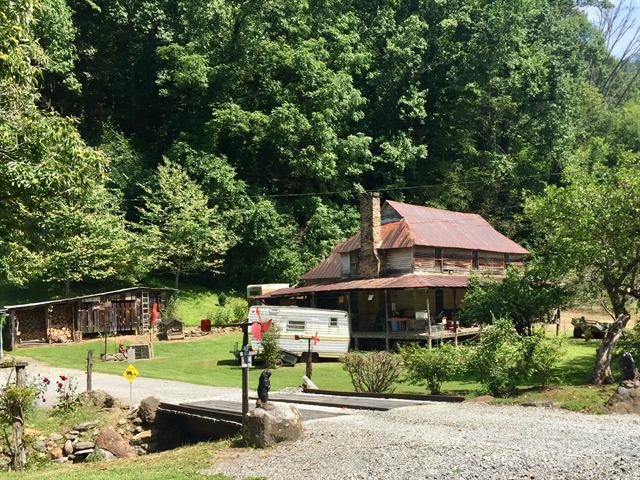
Inherited a house
Probate, multiple heirs, out-of-state estates
Learn more →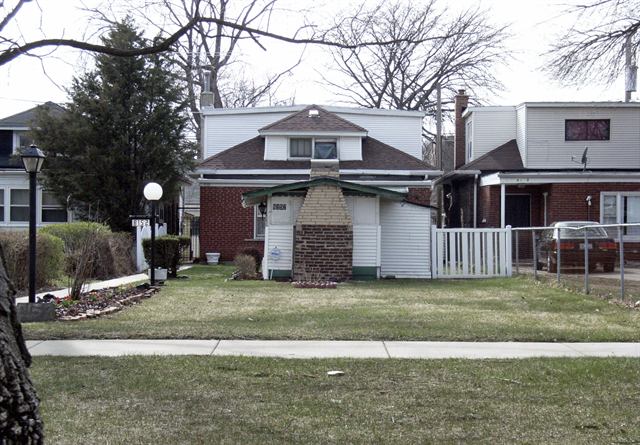
Facing foreclosure
Sell before the auction and protect your equity
Learn more →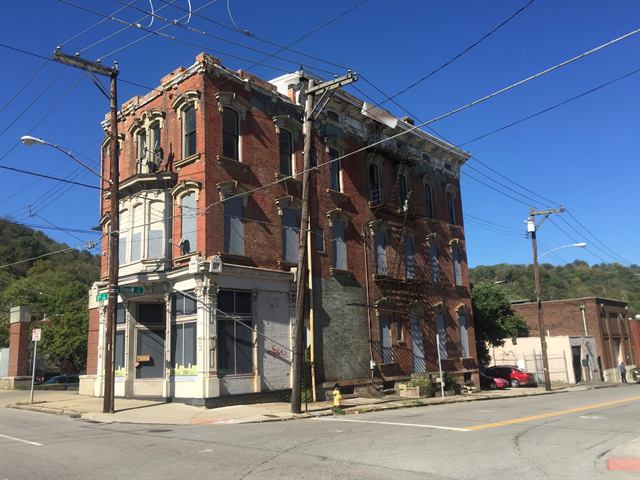
Tired landlord
Sell with tenants in place, even difficult ones
Learn more →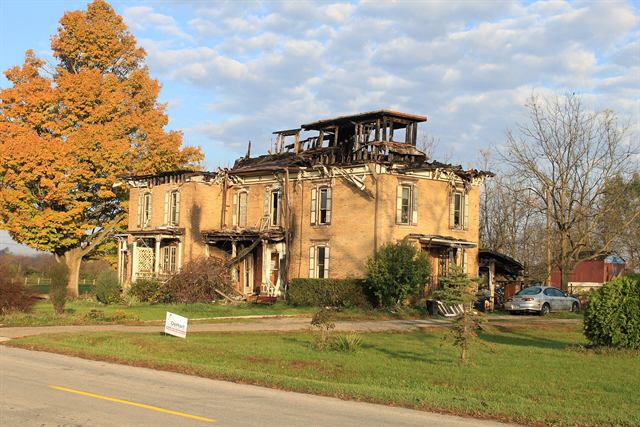
House needs repairs
Fire, water, foundation, roof: we buy as-is
Learn more →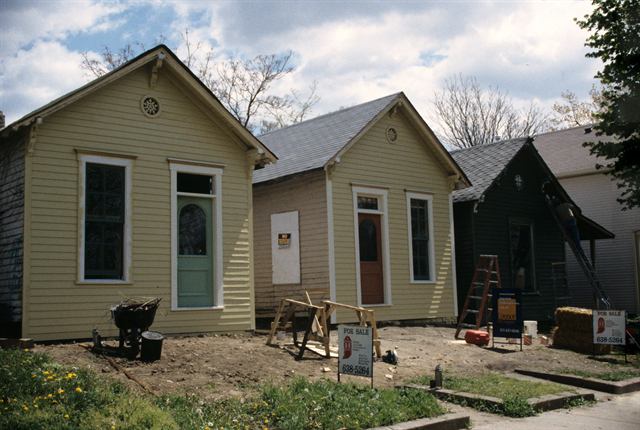
Vacant property
Stop paying taxes and insurance on an empty house
Learn more →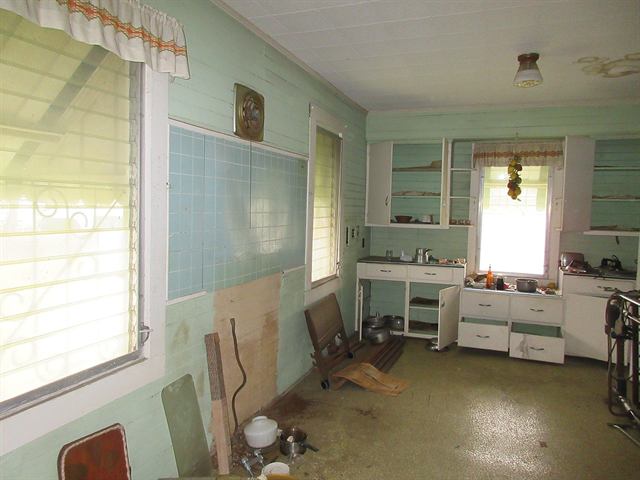
Selling as-is
No cleaning, no repairs, no showings
Learn more →
Selling a House in North Carolina: What's Different Here
Every state runs real estate a little differently, and North Carolina more than most. Three things shape every NC sale:
Attorneys close everything
North Carolina is an attorney-closing state, a licensed NC attorney supervises the closing, examines title, and handles the funds. For sellers this is built-in protection: no matter who your buyer is (including us), a licensed professional with duties to the transaction sits in the middle. Any "buyer" who wants to close without one is waving the biggest red flag NC offers.
The disclosure statement
NC sellers complete the Residential Property and Owners' Association Disclosure Statement (G.S. Chapter 47E) for most sales. You can answer "No Representation" to questions, but known material defects carry liability if concealed. Exemptions exist for court-ordered transfers and foreclosure sales, though heirs reselling an estate house generally do complete it. Our approach makes the form painless: we price condition from the walkthrough, so honest answers cost you nothing.
The excise tax is small
NC's transfer (excise) tax is $1 per $500 of price, 0.2%, seller-paid at recording. On a $300,000 sale that's $600, itemized on your settlement statement.
North Carolina Seller Quick Facts
| Foreclosure type | Non-judicial with clerk hearing, typically 2–4 months once initiated |
| Post-sale redemption | None; the 10-day upset-bid period is the final window |
| Disclosure | NC Residential Property Disclosure Statement (G.S. 47E); court-ordered/foreclosure transfers exempt |
| Transfer tax | $1 per $500 (0.2%), seller-paid excise tax |
| Closing custom | Attorney state, licensed NC attorney supervises every closing |
| Probate | Clerk of Superior Court; full administration ~9–18 months; $20K/$30K small-estate affidavit (personal property) |
| Property tax | ~0.63% effective, below the US average |
Foreclosure in NC: The Upset-Bid Wrinkle
North Carolina foreclosures are technically non-judicial but require a hearing before the Clerk of Superior Court, the process typically runs 2–4 months once initiated, faster than judicial states but slower than Texas or Georgia. NC's unique feature is the 10-day upset-bid period: after the auction, anyone can raise the high bid within 10 days, restarting the clock each time. Until that window finally closes, the sale isn't final, and until the sale is final, you still have options. If you're behind on payments anywhere in NC, our foreclosure options guide maps all of them, and a cash sale that closes in two to three weeks beats the clerk's calendar comfortably. Metro foreclosure filings around Charlotte rose 71% in the first half of 2026 (per ATTOM), you're not alone, and acting early preserves the most equity.
Inherited Property in NC
North Carolina real estate vests in heirs at death (G.S. 28A-15-2), but selling with clean title depends on the estate's creditor window and the Clerk of Superior Court process, which typically runs 9–18 months for full administration. The practical path: we coordinate with the estate attorney, structure the contract around the required approvals, and close the moment the estate can convey. Out-of-state heirs handle everything remotely. Details in the inherited house and probate guides.
Where We Buy in North Carolina
Our deepest NC coverage follows the growth corridors:
- Charlotte: the banking capital's brick-ranch neighborhoods, from Hidden Valley to Enderly Park, plus the full Mecklenburg orbit
- Raleigh: the Triangle's postwar neighborhoods and the Southeast Raleigh corridor, plus Cary and Wake County
- Durham: East Durham's mill housing, Walltown's workers' cottages, and the Bull City's fast-appreciating older neighborhoods
- Greensboro: Glenwood, Ole Asheboro, and the Triad's century-old mill cottages and Foursquares
- Winston-Salem: Waughtown's historic stock, West Salem, and the north side's postwar neighborhoods
- Fayetteville: PCS timelines, deployment sales, and rentals across the Fort Bragg orbit
- Wilmington: coastal bungalows, flood-history houses, and the wider Cape Fear region
- And statewide: Asheville, Gastonia, Concord, High Point, if it's in North Carolina, we'll evaluate it
Situations We Handle Across North Carolina
- Inherited houses: NC's vest-at-death rule plus the clerk's creditor window makes estate timing tricky; we structure around it and buy contents-included.
- Foreclosure timelines: the clerk hearing and upset-bid period give NC sellers more runway than Deep South neighbors; use it early.
- Rentals with tenants: no municipal registration to unwind, leases and deposits transfer at the attorney's closing table.
- Repair-heavy houses: NC's postwar housing stock is aging into exactly the renovations retail buyers' lenders won't finance.
- Vacant property: no state registry, but insurance limits and code enforcement still make empty NC houses expensive to ignore.
What to Expect From Your NC Offer
Every North Carolina offer we write itemizes the after-repair value (from comps in your specific market, a Gastonia ARV is not a Cary ARV), the repair estimate, and our margin. From your side of the ledger: no commissions, no fees, standard closing costs on us, the $1-per-$500 excise tax and your own payoffs itemized by the closing attorney, and a wire on closing day. Two to three weeks is the typical timeline once title work clears; estates and title repairs add time, financing never does.
Why NC Sellers Choose a Direct Sale
North Carolina's growth means strong after-repair values, the anchor of every offer we write. Landlords like that NC law actually prohibits city rental-registration programs (G.S. 160D-1207), keeping tenant-occupied sales simple. Owners of older stock, and NC's cities are full of 1940s–60s houses, like skipping the renovate-first gamble entirely. And everyone gets the same transparent process: one walkthrough, a written offer with ARV, repairs, and margin itemized, closing at the attorney's office on your date.
Compare Your Options in North Carolina
Want to see how we stack up before you call anyone? We ranked the companies that buy houses in North Carolina, including ourselves, with every company's publicly visible evidence shown so you can check our work. And before you sign anything with any buyer, our guide to selling a house in North Carolina walks through the state's disclosure rules, foreclosure timeline, taxes, and closing process in plain language. For the two situations we see most, our guides to selling an inherited house in North Carolina and the North Carolina foreclosure process go statute by statute, and selling a house in Charlotte covers the local rules in our biggest North Carolina market.
Want the raw numbers behind this market? Our North Carolina housing market analysis charts home prices, listing prices, and inventory across the last 16 quarters, with every source linked.
Frequently Asked Questions
Do I need to hire my own attorney to sell to you in North Carolina?
A licensed NC closing attorney handles the transaction either way, that's state practice, and we pay for the standard closing. You're always welcome to have your own attorney review the contract too; we encourage it, especially for estate sales, and the review typically costs a few hundred dollars for real peace of mind.
How fast can a cash sale actually close in NC?
Two to three weeks is typical: the attorney needs time for title examination and payoff coordination, which North Carolina practice takes seriously. Estates and properties with title wrinkles take longer, but the calendar is driven by title work, never by us waiting on financing, because there isn't any.
What happens with the disclosure form if I inherited the house and know nothing about it?
NC's form allows 'No Representation' answers, which exist for exactly this situation, you can't disclose what you never knew. Estate-related transfers may also be exempt depending on how title passes. The closing attorney confirms which form applies; either way, unknown condition is our risk to price, not yours to guess.
What is the upset-bid period, and does it affect selling to you?
The upset-bid period is a foreclosure-auction mechanic, after a foreclosure sale, competing bidders get 10 days to raise the price, restarting with each raise. It doesn't apply to a normal private sale like ours at all; our closings are final when the deed records. It matters only as a reminder that even a completed NC foreclosure auction isn't instantly final, which is one more reason a pre-auction sale, with its certain outcome, protects sellers better.
Do you buy in small-town North Carolina, or just Charlotte and Raleigh?
Statewide. Our published guides cover the metros where we're most active, but we evaluate houses across all 100 counties, smaller markets just mean we lean more on local comparable sales and sometimes partner with a vetted local buyer, which we always disclose.
The EZ Time Standard
Six promises we make on every transaction, in every market. Not marketing lines, operating policy.
Every offer in writing, math included
The after-repair value, repair estimate, and our margin, line by line. If a number moves, you see why.
Both options in one conversation
The fast cash offer and the Retail Buyer Program number, side by side, so the trade-off is concrete before you decide anything.
No fees or commissions, either path
Your number is your number. Typical seller closing costs are on us, and nothing is deducted later.
Licensed title company closings, always
Funds and documents go through a neutral title company or closing attorney on every transaction. No exceptions.
No pressure, by policy
Our offers don't expire in 24 hours, and "let me think about it" is a perfectly good answer. Take the offer to your attorney.
Straight answers about our role
If a vetted local partner will be the closing buyer on your property rather than us directly, you'll know before you sign anything.
These promises have names attached. Meet Eric and Carson, the people who answer when you call.
Nearby Areas We Buy In
Related Guides
Ready to see both of your numbers?
Tell us about your property once and get a written cash offer, plus what our Retail Buyer Program could net you instead. No repairs, no fees, no pressure to accept.