
We Buy Houses in Oklahoma
Oklahoma quietly has some of the most seller-friendly rules in the country: heirs and landlords can often skip the disclosure form entirely, small estates clear probate in 60–90 days, and homeowners can force any foreclosure into court. Here's how it all works.


You'll work directly with Eric and Carson, the owners, not a call center.
Median sale price
$270K
OKC median, down about 2% YoY (Redfin, mid-2026)
Probate shortcut
60-90 days
summary administration for estates of $200K or less
Population
~720,000
Oklahoma City, up 5.7% since 2020
Foreclosure timeline
4-7+ months
judicial path, with a homestead right to demand court
Written offers, math included
Every offer shows the ARV, repair estimate, and our margin, line by line.
Licensed title company closings
Funds and documents always go through a neutral title company or attorney.
No fees, no commissions
Cash offer or Retail Buyer Program: your number is your number, on either path.
Two Ways to Sell. One Conversation.
Tell us about your home once and see both numbers side by side: a fast cash offer, and the higher number our Retail Buyer Program can reach while keeping the sale just as easy for you.
Fast and certain
As-Is Cash Offer
- Sell in any condition, no repairs or cleaning
- Written offer with the math shown line by line
- Close in as little as two weeks, on your date
More money, full service
Retail Buyer Program
- More money than a typical cash offer
- Keeps the easy part: one conversation, we handle the work
- Your proceeds agreed in writing, no commissions, no fees
Not sure which fits? Our honest comparison of every way to sell includes the paths that aren't ours.
How Selling to Us Works
A straightforward process with no showings, no open houses, and no waiting on bank financing.
- 1
Tell us about the house
Share the address and a few details. It takes about two minutes, and nothing is binding.
- 2
Get a fair cash offer
We research the property and local market, then present a written, no-obligation cash offer with the math explained.
- 3
Pick your closing date
Need to close in days, or need a few months? You choose the timeline that works for you.
- 4
Close and get paid
We close through a licensed title company or attorney. No repairs, no fees, no commissions.
Whatever the Situation, We've Seen It
Every seller's circumstances are different. Pick yours to see exactly how the process works.
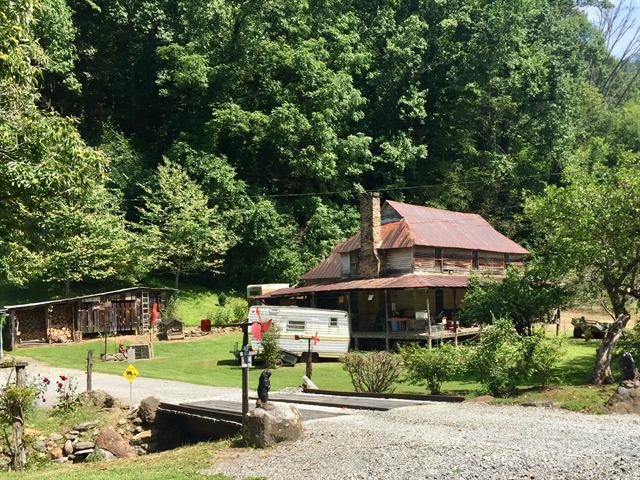
Inherited a house
Probate, multiple heirs, out-of-state estates
Learn more →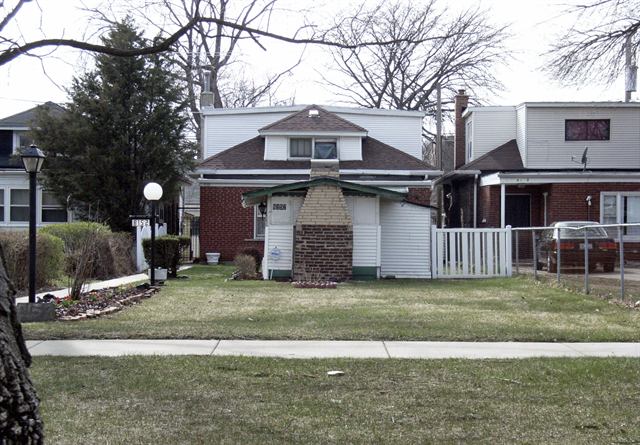
Facing foreclosure
Sell before the auction and protect your equity
Learn more →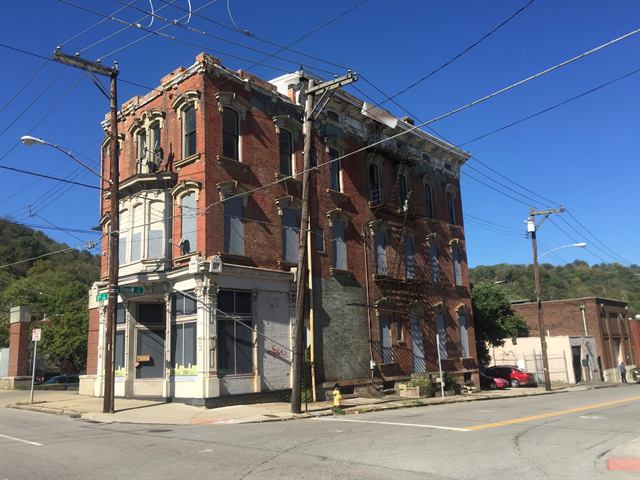
Tired landlord
Sell with tenants in place, even difficult ones
Learn more →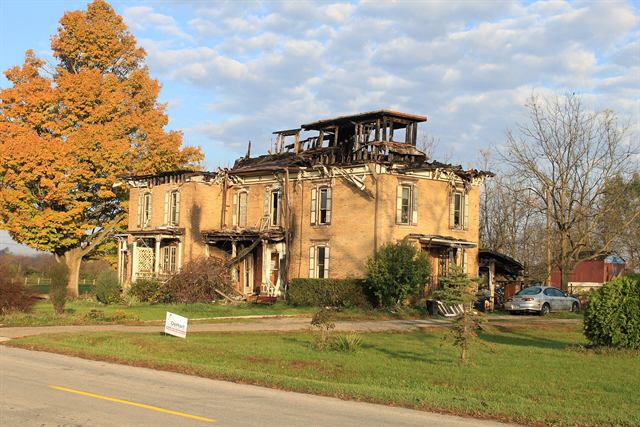
House needs repairs
Fire, water, foundation, roof: we buy as-is
Learn more →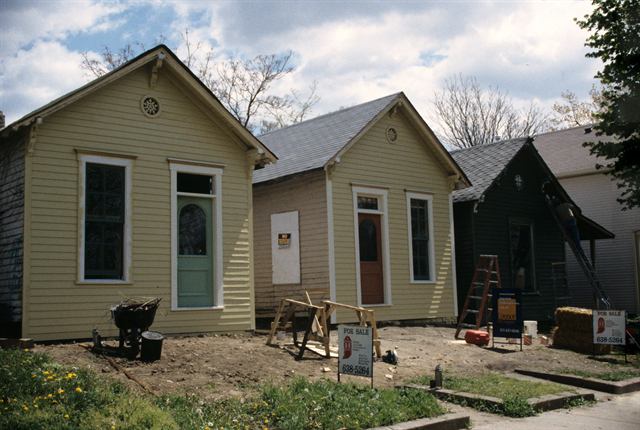
Vacant property
Stop paying taxes and insurance on an empty house
Learn more →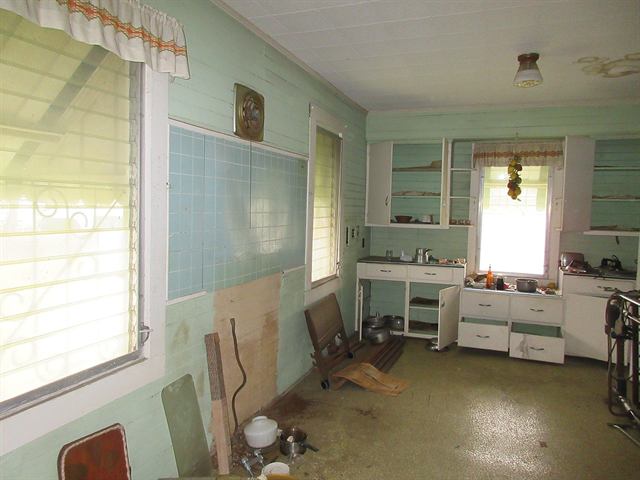
Selling as-is
No cleaning, no repairs, no showings
Learn more →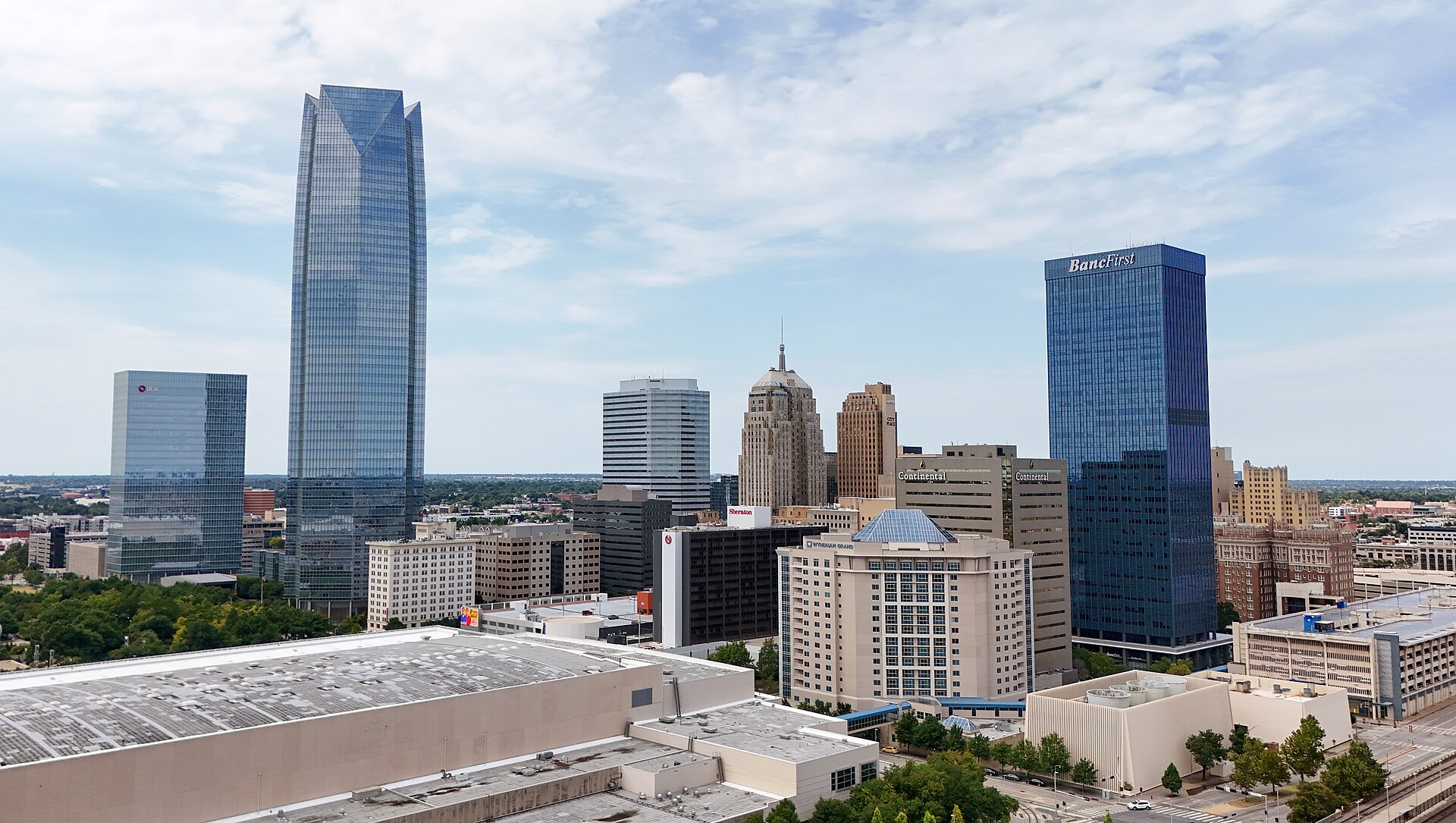
Oklahoma's Disclosure Law Was Built for Heirs and Landlords
The Residential Property Condition Disclosure Act (60 O.S. 831 et seq.) has a feature most states lack: a seller who never occupied the property and knows of no defects can provide a simple disclaimer statement instead of the full disclosure form. Estate transfers by non-occupant fiduciaries, foreclosure-related sales, and court-ordered transfers are exempt outright. If you inherited a house you never lived in, or you're a landlord who managed from a distance, Oklahoma's paperwork burden is about as light as US real estate law allows, and our purchase process is built around exactly these documents.
Probate: The 60–90 Day Shortcut
Oklahoma's summary administration covers estates valued at $200,000 or less (and any estate where the decedent has been gone five-plus years or lived out of state), typically resolving in 60–90 days with a single hearing. Given Oklahoma home values, that covers a large share of inherited houses in the state. Regular probate runs 6–12 months. Either way, we coordinate with the estate's attorney, hold a firm written offer while authority is established, and buy the house with the contents in place, the probate guide walks through the sequence.
Foreclosure: You Can Demand Your Day in Court
Most Oklahoma home foreclosures already run judicially, lawsuit, judgment, appraisal, sheriff's sale, court confirmation, typically 4–7+ months. And when a lender attempts the faster power-of-sale route, Oklahoma homeowners have a right most states don't offer: recording an election of judicial foreclosure at least 10 days before the scheduled sale forces the case into court on homestead property. Redemption stays open until the court confirms the sale.
That's meaningful runway, enough for loss mitigation, a listing, or a cash sale with months to spare. What it isn't is deliverance: interest and legal fees accrue the whole time, eroding the equity you'd keep. Every option, honestly compared, including keeping the house.
Oklahoma Seller Quick Facts
| Foreclosure type | Mostly judicial, ~4–7+ months; homestead owners can force judicial via recorded election |
| Post-sale redemption | Until court confirmation of the sheriff's sale |
| Disclosure | RPCD Act (60 O.S. 831), disclaimer option for never-occupant sellers; estate/foreclosure transfers exempt |
| Transfer tax | Documentary stamps: $0.75 per $500 (0.15%) |
| Closing custom | Title/escrow state with abstract-based title tradition |
| Probate | Summary administration to $200K, ~60–90 days; regular probate ~6–12 months |
| Property tax | ~0.84% effective |
Selling Rules Worth Knowing in Oklahoma
Transfer tax
Documentary stamps at $0.75 per $500 (0.15%), modest, customarily seller-paid, itemized at closing.
Title-company closings
, with Oklahoma's traditional abstract-based title work handled by the title company, one reason established title companies matter here, and we always use one.
Property taxes ~0.84%
Moderate, with county tax auctions for 3+ year delinquencies (Oklahoma County's runs each June). Delinquent taxes get paid from proceeds at closing, a solvable problem when addressed before auction, a lost house after.
Vacant buildings in OKC carry real fees
$285 registration, $190 annual renewal, covered on the Oklahoma City page.
Situations We Handle Across Oklahoma
- Summary-administration estates: the $200K threshold covers a large share of Oklahoma houses, making inherited-property sales here among the fastest anywhere.
- Storm-damaged houses: hail and wind are the state's weather tax; open, paid, and unfiled claims each have a right sequencing, and we walk through it before contracts.
- Foreclosure-defense timelines: judicial process plus the election right gives Oklahoma owners real leverage; leverage works best exercised early.
- Never-occupant sales: the disclaimer statement makes landlord and heir sales administratively featherweight.
- Vacant buildings: OKC's $285/$190 fee schedule is the sharpest version, but insurance vacancy limits apply statewide.
What to Expect From Your Oklahoma Offer
Every Oklahoma offer itemizes the after-repair value from your market's comps, the repair estimate, and our margin, in writing, comparable against any competing offer. Settlement runs: payoffs, prorated taxes, the 0.15% documentary stamps, your wire. Standard closing costs are ours, established title companies handle the state's abstract-based title work, and two to three weeks is typical once title clears.
The Oklahoma Market Right Now
Oklahoma City has grown 5.7% since 2020 to about 720,000 people, anchored by the State of Oklahoma's 32,500 jobs, Tinker Air Force Base's 26,000 workers, and a 45,000-strong aerospace sector. The market has cooled ahead of the national curve: OKC's median sits around $270,000, down about 2% year over year with days on market lengthening (per Redfin, mid-2026). Tulsa runs a similar affordable profile with its own remote-worker in-migration story, Broken Arrow keeps growing on a manufacturing base, and Lawton is the footprint's softest market, where certainty matters most. A drifting market rewards firm numbers over hopeful listings, which is precisely what a written cash offer is.
Where We Buy in Oklahoma
- Oklahoma City: Capitol Hill, Lincoln Terrace, Gatewood, the Tinker orbit of Midwest City and Del City, and the whole metro
- Tulsa: Kendall-Whittier, the Route 66 corridor, Red Fork, and north Tulsa, code liens included
- Broken Arrow: 1920s Rose District bungalows and first-generation postwar ranches
- Lawton: the original townsite, Old Town North, and the Cache Road corridor, on Fort Sill timelines
- Statewide: Norman, Edmond, Enid, all 77 counties, any condition, including tenant-occupied rentals
Compare Your Options in Oklahoma
Want to see how we stack up before you call anyone? We ranked the companies that buy houses in Oklahoma, including ourselves, with every company's publicly visible evidence shown so you can check our work. And before you sign anything with any buyer, our guide to selling a house in Oklahoma walks through the state's disclosure rules, foreclosure timeline, taxes, and closing process in plain language. For the two situations we see most, our guides to selling an inherited house in Oklahoma and the Oklahoma foreclosure process go statute by statute, and selling a house in Oklahoma City covers the local rules in our biggest Oklahoma market.
Want the raw numbers behind this market? Our Oklahoma housing market analysis charts home prices, listing prices, and inventory across the last 16 quarters, with every source linked.
Frequently Asked Questions
I inherited an Oklahoma house worth about $150,000. How fast can the estate actually sell it?
Potentially very fast: at that value the estate likely qualifies for summary administration, roughly 60–90 days to authority with one hearing, and estate transfers are exempt from the disclosure form. We can evaluate the house and hold a firm written offer while the petition processes, so closing can follow the hearing almost immediately.
What's this 'election of judicial foreclosure' right, and should I use it?
If your lender pursues the non-judicial power-of-sale route on your homestead, recording the election at least 10 days before the sale forces the foreclosure into court, buying months of process and a confirmation-stage redemption right. Whether to use it is an attorney question (it adds the lender's court costs to your balance), but knowing it exists changes the negotiation. Bring it up with a foreclosure defense attorney or HUD counselor early.
As a never-occupant landlord, what do I actually have to tell a buyer about the house?
Under Oklahoma's disclaimer option: that you haven't occupied it and know of no defects, if that's true. Anything you do know (the roof leak your tenant reported, the foundation bid you got) must be disclosed regardless of the form, and with us that costs nothing: known problems become accurate repair line items in an offer you can verify.
What's the abstract, and why does everyone in Oklahoma mention it?
Oklahoma maintains a tradition of abstract-based title work: a bound history of every recorded transaction on the property, updated at each sale and reviewed for a title opinion. It's a real (and distinctly Oklahoman) closing cost and timing factor, abstracting a neglected property's history can take a couple of weeks. Practical takeaway: if you know where the abstract is, say so early; if it's lost, the title company re-certifies it, and we simply build that into the timeline.
Do you buy in Tulsa and rural Oklahoma?
Yes, statewide, from Tulsa's historic neighborhoods to small-town and rural properties, where we lean on regional comps and, where a vetted local partner closes, tell you upfront. OKC has the dedicated guide as our busiest Oklahoma market.
The EZ Time Standard
Six promises we make on every transaction, in every market. Not marketing lines, operating policy.
Every offer in writing, math included
The after-repair value, repair estimate, and our margin, line by line. If a number moves, you see why.
Both options in one conversation
The fast cash offer and the Retail Buyer Program number, side by side, so the trade-off is concrete before you decide anything.
No fees or commissions, either path
Your number is your number. Typical seller closing costs are on us, and nothing is deducted later.
Licensed title company closings, always
Funds and documents go through a neutral title company or closing attorney on every transaction. No exceptions.
No pressure, by policy
Our offers don't expire in 24 hours, and "let me think about it" is a perfectly good answer. Take the offer to your attorney.
Straight answers about our role
If a vetted local partner will be the closing buyer on your property rather than us directly, you'll know before you sign anything.
These promises have names attached. Meet Eric and Carson, the people who answer when you call.
Nearby Areas We Buy In
Related Guides
Ready to see both of your numbers?
Tell us about your property once and get a written cash offer, plus what our Retail Buyer Program could net you instead. No repairs, no fees, no pressure to accept.