
Selling a House in Charlotte: Local Rules, Real Costs, and What to Expect
By Eric Roebuck · Updated August 26, 2026 · 8 min read
Charlotte doesn't pile local red tape on home sellers, no city inspection, no registration, no municipal transfer tax. What it does have is a growth market where you're competing with national builders, a courthouse process worth understanding if you're behind on payments, and a housing stock with a few era-specific surprises. Here's the whole picture, verified and priced out.
The Good News First: Charlotte Adds Almost No Local Hurdles
Some cities make you earn the right to sell. Cleveland-style point-of-sale inspections, escrow holds, city stamps on the deed. Charlotte does none of it. There is no city point-of-sale or pre-sale inspection requirement, no municipal transfer tax on top of the state's, and no residential vacant-property registry. Code enforcement here is complaint-driven: the city's code enforcement division responds to reports about unsafe conditions, overgrown lots, and junk vehicles under the minimum housing code, but nobody from the city walks your house because you listed it.
North Carolina law even blocks the hurdles other states' cities love. Under G.S. 160D-1207, municipalities generally can't require rental registration programs, so selling a tenant-occupied Charlotte rental involves no city paperwork at all.
Two real requirements do apply, both statewide. Every sale closes through a licensed North Carolina closing attorney, because title work and closings are the practice of law here. And sellers complete the Residential Property and Owners' Association Disclosure Statement under G.S. 47E, the form with the unusual "No Representation" option our North Carolina selling guide covers in detail.
One Charlotte-flavored addition: if your house sits in one of the HOA subdivisions that blanket the southern and northern suburbs, closing requires a statement of unpaid assessments from the association. State law caps that fee at $200 per statement, plus up to $100 if you need it rushed within 48 hours of closing (G.S. 47F-3-118). Order it early and skip the rush fee.
The Charlotte Market Right Now (August 2026)
The headline numbers, as of Redfin's July 2026 data: the median Charlotte sale price is about $424,000, up roughly 1.2% year over year, and the typical home takes around 58 days to go under contract. Two months, give or take. That's a normal market by historical standards, but it feels slow to anyone who remembers 2021.
Under the headline, two currents matter for sellers:
Demand is real. The Charlotte metro added more than 289,000 residents between 2020 and 2025, reaching roughly 2.9 million people, the fifth-largest numeric gain of any US metro per Census estimates. People keep arriving, and they all need somewhere to live.
So is the competition. Charlotte is one of the most active new-construction markets in the country, and local 2026 market reports put resale inventory at its healthiest level in nearly a decade. The national builders working the metro's edges are sitting on spec homes and cutting deals to move them: rate buydowns, closing cost credits, price reductions. A buyer comparing your 1998 two-story to a brand-new house twenty minutes further out, with a bought-down interest rate, is a buyer with leverage. Houses that sit longest in Charlotte tend to share a profile: priced ahead of the market, near heavy new-construction competition, or visibly dated.
And distress is climbing. Foreclosure filings across the 10-county Charlotte metro rose 71% in the first half of 2026 versus a year earlier, per ATTOM. More on what that process actually looks like at the Mecklenburg County Courthouse below.
What Selling Costs in Charlotte, Itemized
North Carolina keeps the government's cut small, and Charlotte adds nothing to it. The state excise tax is $1 per $500 of the price, seller-paid at recording (G.S. 105-228.30). At Charlotte's $424,000 median, that's $848. On a $300,000 house, $600. Mecklenburg County charges no local transfer tax, unlike seven coastal counties that add 1%.
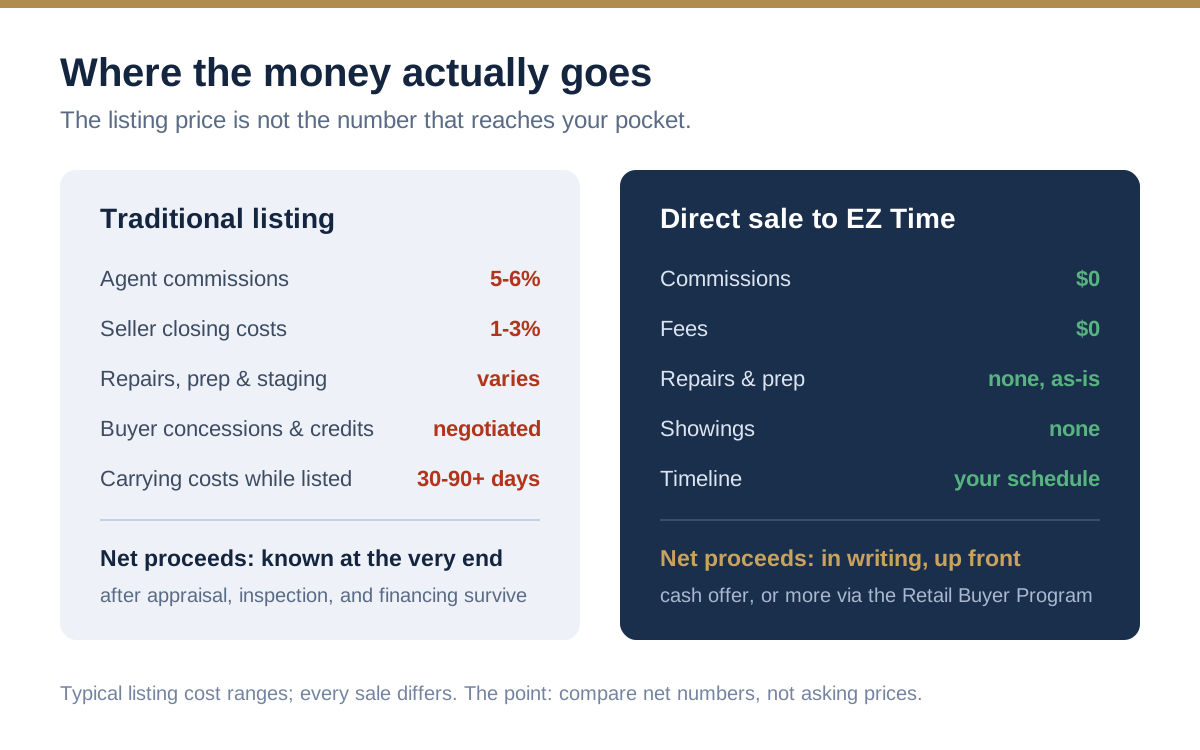
Here's the full stack on a listed sale at the Charlotte median:
- Agent commissions: commonly 5% to 6% if you list. On $424,000, that's $21,200 to $25,440, the largest line by a mile.
- NC excise tax: $848 at the median. Cheap.
- Recording: the Mecklenburg County Register of Deeds charges $26 for the first 15 pages of a deed and $4 per page after, usually a buyer-side cost but worth knowing.
- Deed prep and seller-side attorney work: modest, since NC custom has the buyer paying their own closing attorney and title insurance.
- HOA statement: up to $200, plus the $100 rush fee if you wait too long.
- Repairs, credits, and due diligence renegotiation: the wild card. With builders handing out incentives across the metro, retail buyers ask for more here than they did three years ago, and a long inspection list on an older house can cost more than every government fee combined.
- Carrying costs: two months of mortgage, taxes, insurance, and utilities at the current 58-day pace, longer if the house needs work.
A direct sale rewrites the list. When we buy, there are no commissions, no fees, and no repair credits; you pay the excise tax and your own payoffs, and the closing attorney itemizes every dollar. For Charlotte houses that are dated but livable, our Retail Buyer Program can often deliver more than a typical cash offer, with the same simple process. Either way, the offer math is shown, not hidden.
Charlotte's Housing Stock: What Buyers Flag Here
Charlotte grew in rings, and each ring has its own inspection story.
The inner neighborhoods, Hidden Valley, Enderly Park, Wesley Heights, parts of east and west Charlotte, are full of 1950s and '60s all-brick ranches and postwar bungalows. Solid bones, but buyers' inspectors flag the usual mid-century list: original panels and wiring, galvanized supply lines, aging cast-iron drains, and roofs on their second or third overlay.
The ring that deserves its own paragraph is the late-'70s-to-mid-'90s suburban boom, because that's the polybutylene era. Polybutylene, the gray plastic supply piping, went into millions of American homes between the late 1970s and 1995, heavily concentrated in the Sun Belt, and Charlotte-area plumbers still make a steady business of replacing it in subdivisions from that period. The problem is chemistry: chlorine in treated water degrades the material from the inside until fittings and pipe fail without warning. Manufacturing stopped by 1995 after massive class-action litigation. If your Charlotte house dates to that window and still has the original gray piping, expect buyers, inspectors, and especially insurers to raise it; some carriers surcharge or decline homes with poly-B, which can knock a financed buyer sideways in due diligence. A repipe typically runs well into four figures, or you can sell to a buyer who prices it in and moves on.
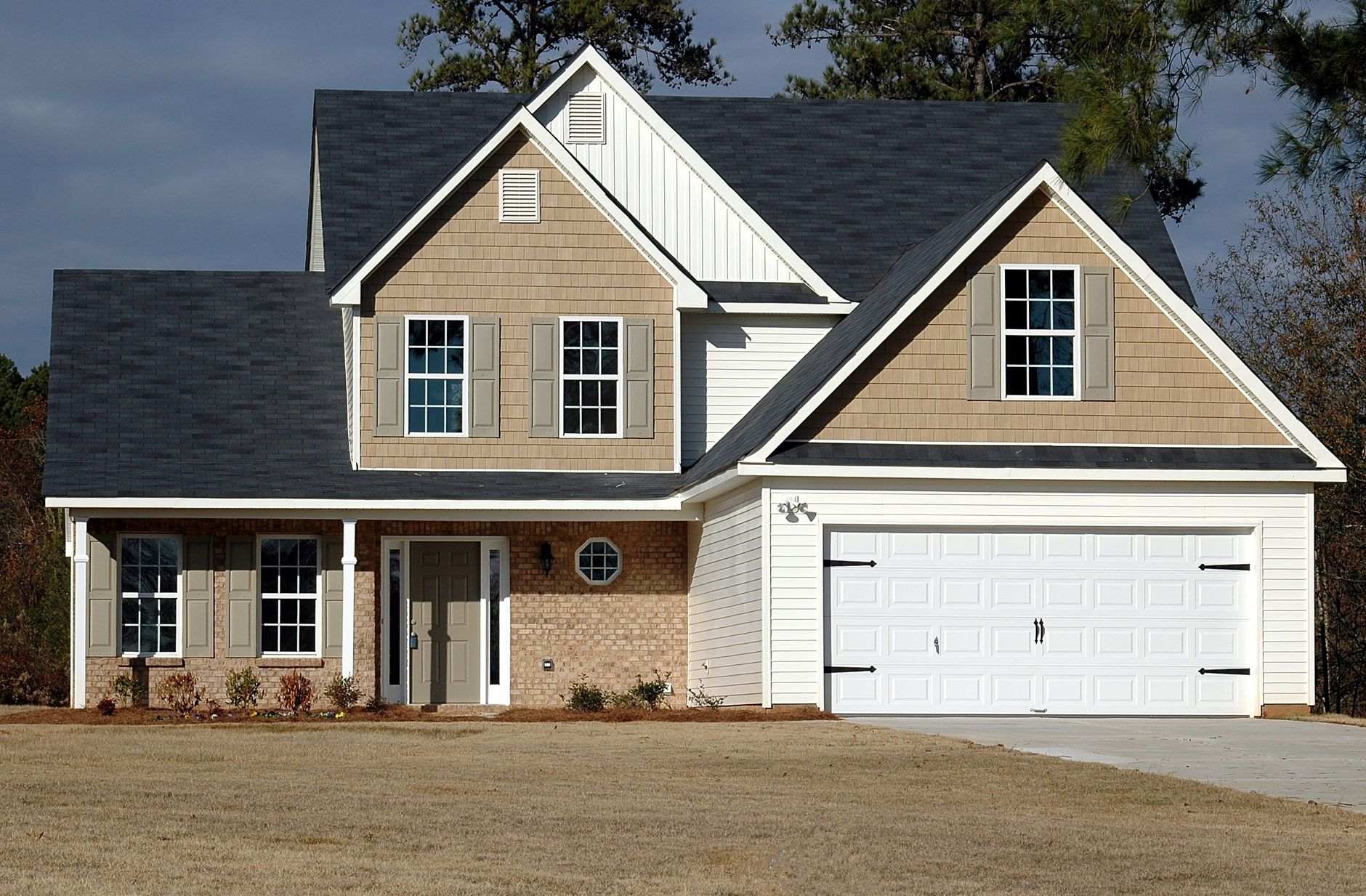
Then there's the 1990s-2000s vinyl ring: the two-story, vinyl-sided subdivisions that circle the entire metro. These houses face a market problem more than a condition problem. They're the same product the national builders are selling new, a few miles further out, with incentives attached. When a buyer can get new construction with a warranty and a bought-down rate for similar money, a 25-year-old version with original carpet and a first-generation HVAC needs either updating, sharp pricing, or a buyer like us who isn't comparing it to a model home.
The Selling Situations We See Most in Charlotte
The inherited brick ranch, heirs out of state
Charlotte's postwar homeowners are passing their houses to children scattered across the country. NC title vests in heirs at death, but the estate's creditor window and the Clerk of Superior Court's process still shape the timeline, and the closing attorney will want the estate file in order. We buy these houses contents and all, coordinate with the estate's attorney, and NC's pre-signing custom means nobody flies in. The inherited house guide walks through the details.
The foreclosure clock, Mecklenburg edition
With metro filings up 71% in a year, this call comes daily now. In North Carolina, no foreclosure happens without a hearing before the Clerk of Superior Court, held for Charlotte homeowners at the Mecklenburg County Courthouse at 832 East 4th Street. You get a 45-day pre-filing notice, then at least 10 days' notice of the hearing, and after any auction there's a 10-day upset-bid period, filed at the clerk's Special Proceedings Division, where each new bid restarts the clock. Stack the stages and most Charlotte homeowners have two to four months of usable time, enough to close a cash sale, pay off the loan, and keep the equity. Every option is mapped here.
The competition squeeze
The owner of a 2001 vinyl two-story who needs to relocate on a deadline, staring down 58 days on market plus a 30-to-45-day financed closing, while a builder down the road undercuts the comps. For sellers with time and budget, updating and listing can work. For sellers without either, a firm written offer with a closing date they pick beats three months of hoping. That's the trade we lay out in plain numbers so you can judge it honestly.
How a Charlotte Closing Actually Runs
The mechanics are pleasantly boring. Your closing attorney searches title at the Mecklenburg County Register of Deeds and courthouse records, orders payoffs, and clears any liens; plan on two to four weeks for a clean file. NC doesn't require everyone at one table, so sellers commonly pre-sign the deed, some from other states entirely. On closing day the attorney records the deed with the Register of Deeds, the excise stamps get paid from your side of the ledger, and under NC's Good Funds rules your proceeds wire after recording, generally same day or next morning.
Cash purchases like ours skip the appraisal and underwriting layer, which is why our Charlotte closings typically run two to three weeks once title clears, or later if your timeline wants later. The process is the same everywhere in the state, from Charlotte to the coast, and the North Carolina hub covers the statewide rules.
The usual caveat applies: this is general information about selling in Charlotte, not legal advice. Statutes change and files differ, and the North Carolina closing attorney on your transaction is the final word for your situation.
From the buyers
How EZ Time Home Buyers Can Help in Charlotte
We buy houses in Charlotte as-is, in any condition, on your timeline. You'll get a written cash offer with the math shown line by line, and if that number doesn't fit your situation, the Retail Buyer Program is a second path that typically nets more than a typical cash offer while we do the work. No commissions, no fees, no repairs, either way.
Frequently Asked Questions
Does Charlotte require a city inspection before I can sell my house?
No. Charlotte has no point-of-sale or pre-sale inspection ordinance, no municipal transfer tax, and no vacant-property registry. Code enforcement is complaint-driven, so an open violation must be disclosed and resolved or priced in, but the city plays no role in an ordinary sale. Your obligations are the statewide ones: the NC disclosure form and a closing handled by a licensed North Carolina attorney.
How much is the transfer tax on a Charlotte home sale?
North Carolina's excise tax is $1 per $500 of the sale price, paid by the seller when the deed records (G.S. 105-228.30). At Charlotte's roughly $424,000 median price, that's $848. Mecklenburg County adds no local transfer tax, so the state excise is the entire transfer bill, one of the smaller line items you'll face.
My Charlotte house was built in the late 1980s and has gray plastic pipes. Is that a problem for selling?
That's likely polybutylene, installed widely in Sun Belt subdivisions between the late 1970s and 1995 before failures and litigation ended production. Inspectors flag it, and some insurers surcharge or decline homes that still have it, which can unravel a financed buyer's deal in due diligence. Your options are a repipe before listing, a price adjustment, or selling as-is to a buyer like us who prices the piping into the offer and handles it after closing.
I'm behind on my Charlotte mortgage. How long before the house actually goes to auction?
Longer than the letters suggest. NC requires a 45-day notice before the foreclosure hearing is even filed, then a hearing before the Clerk of Superior Court at the Mecklenburg County Courthouse on East 4th Street, and after any auction a 10-day upset-bid period that restarts with each new bid. Most Charlotte homeowners have two to four months of usable time once the process starts, enough to sell, pay off the loan, and keep their remaining equity rather than losing it at auction.
Related Guides
Ready to see both of your numbers?
Tell us about your property once and get a written cash offer, plus what our Retail Buyer Program could net you instead. No repairs, no fees, no pressure to accept.