
Selling a House in Nashville: Land Value, Local Rules, and What It Really Costs
By Carson Whaley · Updated August 27, 2026 · 7 min read
Nashville doesn't complicate your sale with city inspections; it complicates it with zoning that can make your lot worth more than your house, short-term-rental permits that die at closing, and a market that has cooled from frenzy to negotiation. Here's what's actually different about selling in Davidson County, with the numbers and ordinances behind every claim.
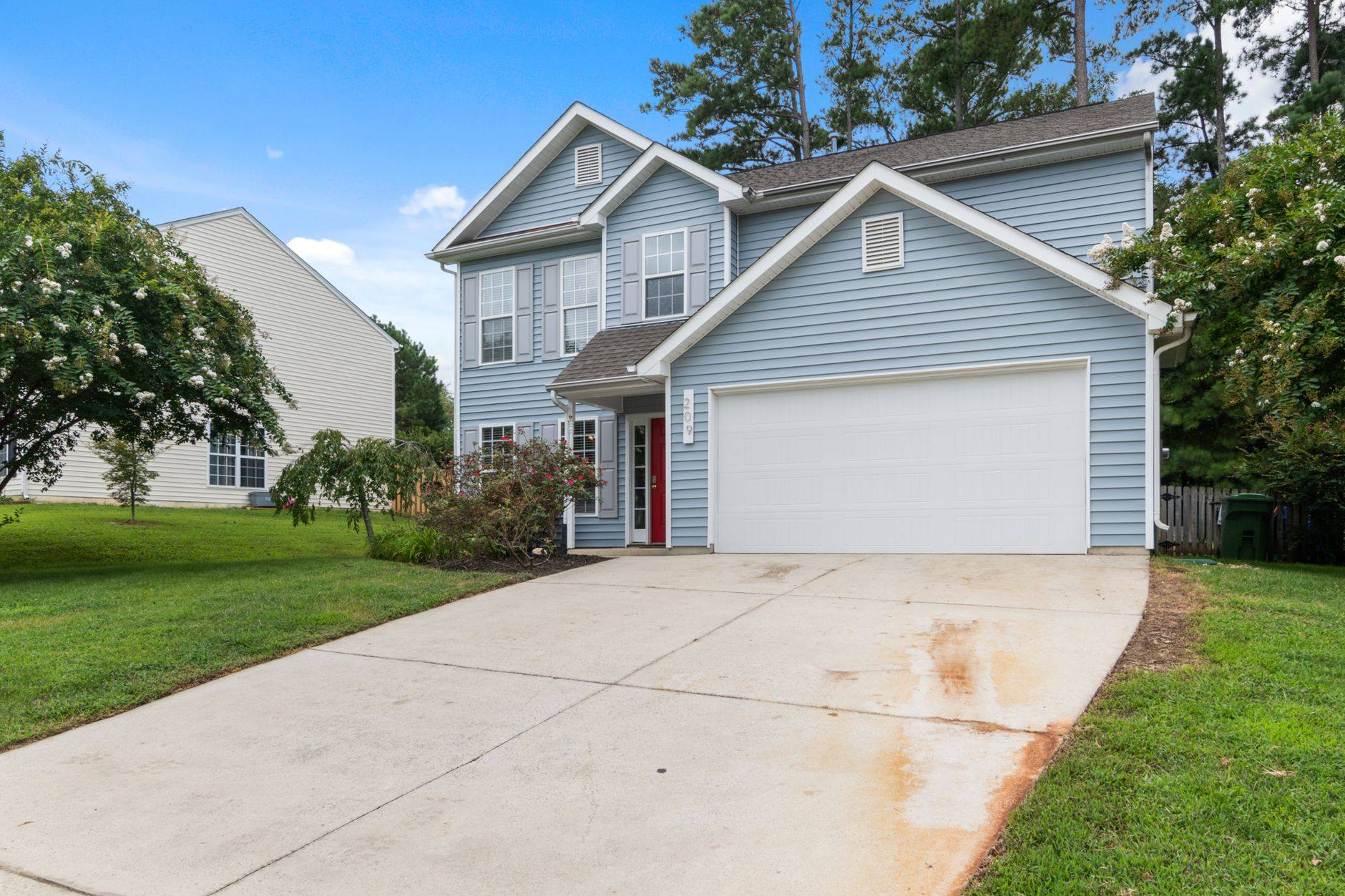
The Nashville Difference: Sometimes the Dirt Outbids the House
Start with good news. Metro Nashville has no point-of-sale inspection ordinance, so nothing about the city's process forces repairs before you can transfer a deed. Tennessee's disclosure law even builds in an as-is disclaimer option when the buyer agrees to waive the standard form (Tenn.
Code Ann. 66-5-202), and estate fiduciaries and owners who haven't lived in the house within three years are exempt outright (Tenn. Code Ann. 66-5-209). We walked through all three disclosure doors in our Tennessee selling guide.
What is genuinely different here sits under the house. Two zoning mechanics created the tall-skinny boom you see all over East Nashville, The Nations, and Wedgewood-Houston: Tennessee's Horizontal Property Regime Act (Tenn.
Code Ann. 66-27-101 et seq.) and Metro's detached duplex rules, which together let a builder tear down one house and put two detached homes on the same lot. That single fact rewrites the math on a dated house near the urban core.
A 1940s bungalow with a bad roof on a buildable lot in 37206 or 37209 isn't priced on its kitchen; it's priced on its dirt. When we make an offer in those corridors, the land value is doing much of the work, which is why sellers there are often surprised by how little their deferred maintenance actually costs them.
Second difference: short-term rentals. Metro's ordinance says an STRP permit "shall not be transferred or assigned to another individual, person, entity, or address" (MCO 6.28.030), and a change in ownership cancels the permit, including retitling the property into your own LLC or trust.
Your buyer must qualify and apply fresh under whatever rules exist at that point, and the rules have only tightened. Practically, that means an Airbnb sells as a house, not as a business, no matter what the listing agent promises.
Third: if the property is a rental, Metro requires landlords to register it with the Codes Department and to notify Codes when ownership changes. It's a small obligation ($10, one time), but it's one more piece of paper, and when we buy tenant-occupied houses we handle that notification at closing.
What the Market Looks Like Right Now
The frenzy is over; the demand is not. Nashville's median sale price was $480,000 over the three months ending July 2026, up 1.0% year over year, and the typical home now takes 61 days to sell, up from 57 a year earlier (Redfin, July 2026). Homes average about two offers, and 3,009 sold in June, ahead of last year's 2,825.
Translation: buyers have time to inspect, negotiate, and walk away, and they use it. A move-in-ready tall-skinny still draws a crowd. A ranch with original systems draws a repair addendum.
What's holding the floor under prices is the same thing that built the last decade: the metro has added roughly 136,000 residents since 2020, healthcare and tech employers keep hiring, and Tennessee taxes no wage income. Demand like that doesn't vanish; it just gets pickier.
In a two-offer market, the buyer who shows up for a house needing work expects a discount for every flaw the inspector finds, and the appraisal has to survive a lender's scrutiny on top of that. That's the gap where listed as-is houses stall and direct sales make their case.
The full neighborhood-by-neighborhood picture, including where we buy most, is on our Nashville page.
What Selling Costs in Nashville
The government's cut here is genuinely small. Tennessee's realty transfer tax is $0.37 per $100 of price (Tenn. Code Ann. 67-4-409), which works out to $1,776 on the $480,000 median, and by longstanding custom the buyer pays it at recording; in our purchases we follow that custom.
The Davidson County Register of Deeds charges $12 to record the first two pages of a deed and $5 for each page after that, plus a $1 register's fee, per the county fee schedule.
There's no state income tax on your gain, and Tennessee's property tax rates sit near the bottom nationally, so the proration line stings less than it would in most states.
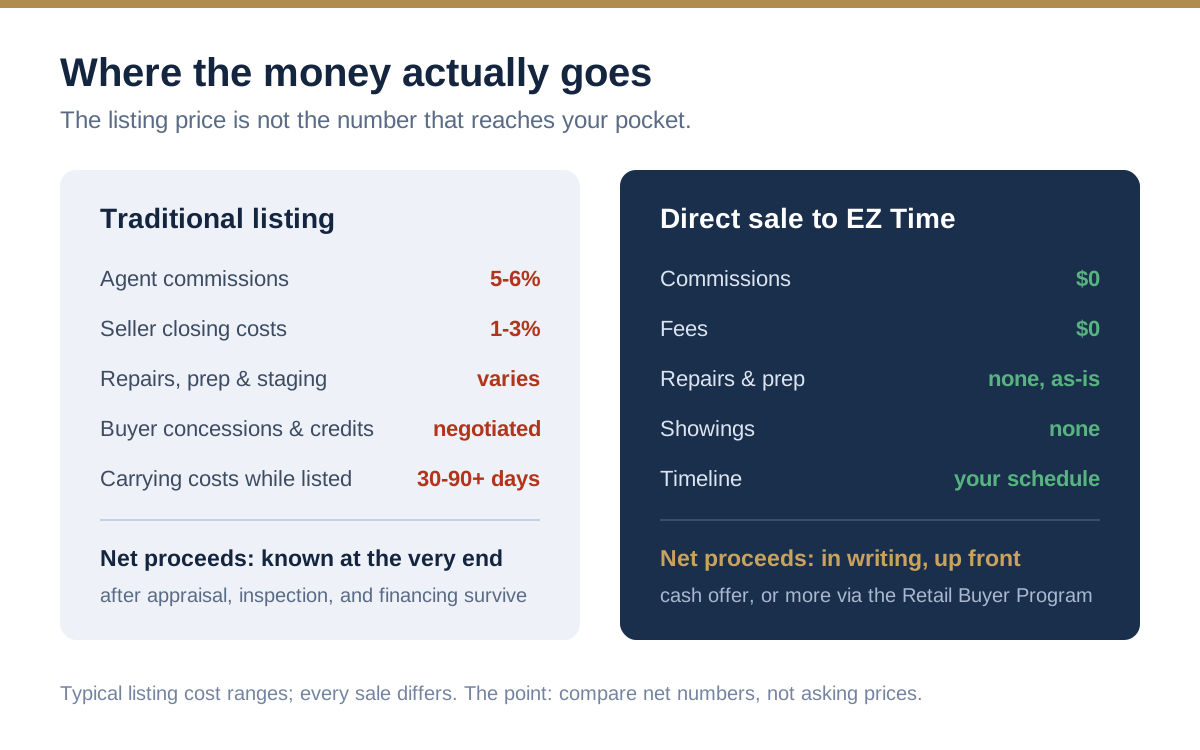
The expensive part of a Nashville sale is the transaction itself. Commission at 5 to 6 percent is $24,000 to $28,800 at the median price. The inspection repair list on an older house routinely runs five figures.
Then add concessions, and two-plus months of mortgage, insurance, and utilities while the house sits through its 61 days on market, followed by a 30 to 45 day financed closing. On a house that needs work, those lines swallow more than the transfer tax by a factor of fifty.
Run it on a concrete example: a $350,000 Madison ranch that needs updating. Commission takes $17,500 to $21,000. The inspection round on a house with original systems commonly costs $10,000 to $30,000 in repairs or price cuts.
Three months of mortgage payments, insurance, utilities, and lawn service while it markets and closes adds several thousand more. The seller who "got full price" often nets somewhere in the $290,000s.
That's the honest comparison to set beside a cash offer, and it's why we put the after-repair value, our repair budget, and our margin in writing so you can check our math line by line.
A direct sale rewrites the list: no commission, no repairs (the offer already prices condition, itemized in writing), closing in two to three weeks, standard closing costs covered.
And if your house is in good shape and your timeline is flexible, ask us about the Retail Buyer Program, which nets more than a typical cash offer with the same easy process.
Nashville's Housing Stock and What Buyers Flag
Nashville's resale inventory is dominated by two eras, and each has a known list.
The 1950s and 60s brick ranches that fill Madison, Donelson, Crieve Hall, and Woodbine are structurally stout but often carry original electrical panels, original plumbing, and kitchens that predate the moon landing. Nearly all of this stock is pre-1978, so the federal lead-paint disclosure applies to almost every sale.
East Nashville and Cleveland Park add century-old bungalows with the foundation quirks and layered wiring you'd expect, sitting next door to brand-new infill that makes their condition gap impossible for buyers to unsee.
Two more things Nashville buyers check without being asked. Flood maps, first: the May 2010 flood is still living memory here, and properties near the Cumberland, Mill Creek, and Browns Creek get their FEMA zone checked early, because flood insurance changes a buyer's monthly payment.
Second, permits: with this much infill activity, appraisers and agents here are quick to flag additions and garage conversions that don't match Metro permit records. None of these are dealbreakers for us; all of them are renegotiation triggers in a listing.
The Selling Situations We See Most in Nashville

The Airbnb that stopped paying for itself
Nashville minted short-term-rental owners faster than any city in the South, and it's unwinding some of them just as fast. Slow seasons, HOA fights, tightening permit rules, and the hard fact that the permit cancels at closing anyway (MCO 6.28.030). We buy former STRs in whatever permit state they're in, furniture included if you want it gone, and we price them honestly as houses.
The inherited house and the Seventh Circuit Court
Probate in Davidson County runs through the Seventh Circuit Court, which sits at 1 Public Square downtown and holds exclusive jurisdiction over estate administration countywide; filings go through the county's eFlex e-filing system.
Tennessee law helps heirs more than most realize: real estate vests in the heirs immediately at death (Tenn. Code Ann. 31-2-103), and estate fiduciaries are exempt from the disclosure form. Out-of-state heirs, and Nashville's growth means there are many, can sign everything remotely.
Our inherited house guide covers how we structure these, contents and all.
The vacant house collecting codes letters
Metro's Property Standards division enforces the property code (Title 16.24) across all of Davidson County, and vacant houses are its steadiest customers.
Grass over 12 inches, junk accumulation, or an unsecured structure draws a complaint through hubNashville, then an inspector, then a court date, and the court can impose up to $50 a day per violation until it's fixed. A vacant house here isn't just deteriorating; it's accruing. Selling as-is stops the meter.
How a Nashville Closing Actually Runs
Tennessee is a title company state, so no attorney is required to close and most sales run through a title or escrow office.
The sequence is short: a signed contract with earnest money deposited, a title search to surface liens and verify the chain of ownership (this is where estates and old divorces get sorted out), payoff letters from any lenders, then a signing appointment.
The deed, with its sworn statement of consideration, goes to the Davidson County Register of Deeds, where the transfer tax and recording fees are collected at the recording window. A financed sale typically takes 30 to 45 days from contract on top of marketing time.
A cash sale needs only the title work, which is why two to three weeks is normal for us, and remote and mail-away notarization mean out-of-state sellers never book a flight. If you're weighing every option across the state, start from the Tennessee hub and compare with real numbers rather than anyone's pitch.
This guide is general information about selling in Nashville and Davidson County, not legal advice; for your specific situation, a Tennessee real estate attorney is the authority.
From the buyers
How EZ Time Home Buyers Can Help in Nashville
We buy houses in Nashville as-is, in any condition, on your timeline. You'll get a written cash offer with the math shown line by line, and if that number doesn't fit your situation, the Retail Buyer Program is a second path that typically nets more than a typical cash offer while we do the work. No commissions, no fees, no repairs, either way.
Frequently Asked Questions
Does my Nashville short-term-rental permit transfer to the buyer when I sell?
No. Metro's ordinance makes STRP permits non-transferable to another person, entity, or address (MCO 6.28.030), and a change in ownership cancels the permit, even a transfer into your own LLC or trust. Your buyer must qualify and apply under the rules in effect when they buy, which may be stricter than when your permit was issued. Price and market the property as a house, not as a turnkey Airbnb.
Is my dated Nashville house worth more as a teardown?
In the right corridors, often yes. Tennessee's Horizontal Property Regime Act plus Metro's detached duplex rules let builders replace one house with two tall-skinny homes on the same lot, so in East Nashville, The Nations, Wedgewood-Houston, and similar areas, a buildable lot can outweigh the condition of the house on it. Our written offers show the land and after-repair values side by side, so you can see exactly which one is driving your number.
What can Metro Codes fine me on a vacant Nashville house?
Metro Property Standards enforces the property code countywide: grass and weeds over 12 inches, accumulated junk, and unsecured structures all generate violations, usually starting with a neighbor's hubNashville complaint. If you don't fix the problem in the time allotted, the case can go to court, and the court can impose up to $50 a day for each violation. Fines accrue against out-of-state owners just as fast as local ones, which is why vacant inherited houses are one of our most common purchases.
Which court handles probate in Nashville, and can I sell before the estate closes?
The Seventh Circuit Court at 1 Public Square is Davidson County's probate court, with exclusive jurisdiction over estate administration; filings run through the county's eFlex e-filing system. Tennessee real estate vests in the heirs immediately at death (Tenn. Code Ann. 31-2-103), and the house sale usually closes long before the estate wraps up. Estate fiduciary sales are also exempt from the disclosure form, which simplifies the paperwork considerably.
Related Guides
Ready to see both of your numbers?
Tell us about your property once and get a written cash offer, plus what our Retail Buyer Program could net you instead. No repairs, no fees, no pressure to accept.