
Selling a House in Oklahoma City: Local Rules, Costs, and What to Expect
By Eric Roebuck · Updated August 26, 2026 · 8 min read
Oklahoma City is one of the easier big cities in America to sell a house in: no point-of-sale inspection, a transfer tax of 0.15%, and a court system with a genuine probate shortcut. The catches are local too: a $285 vacant-building registration, roofs that insurance companies now depreciate hard, and an abstract-of-title tradition that can stretch a closing if you're not ready for it. Here's the whole picture, verified detail by detail.
What's Actually Different About Selling in OKC
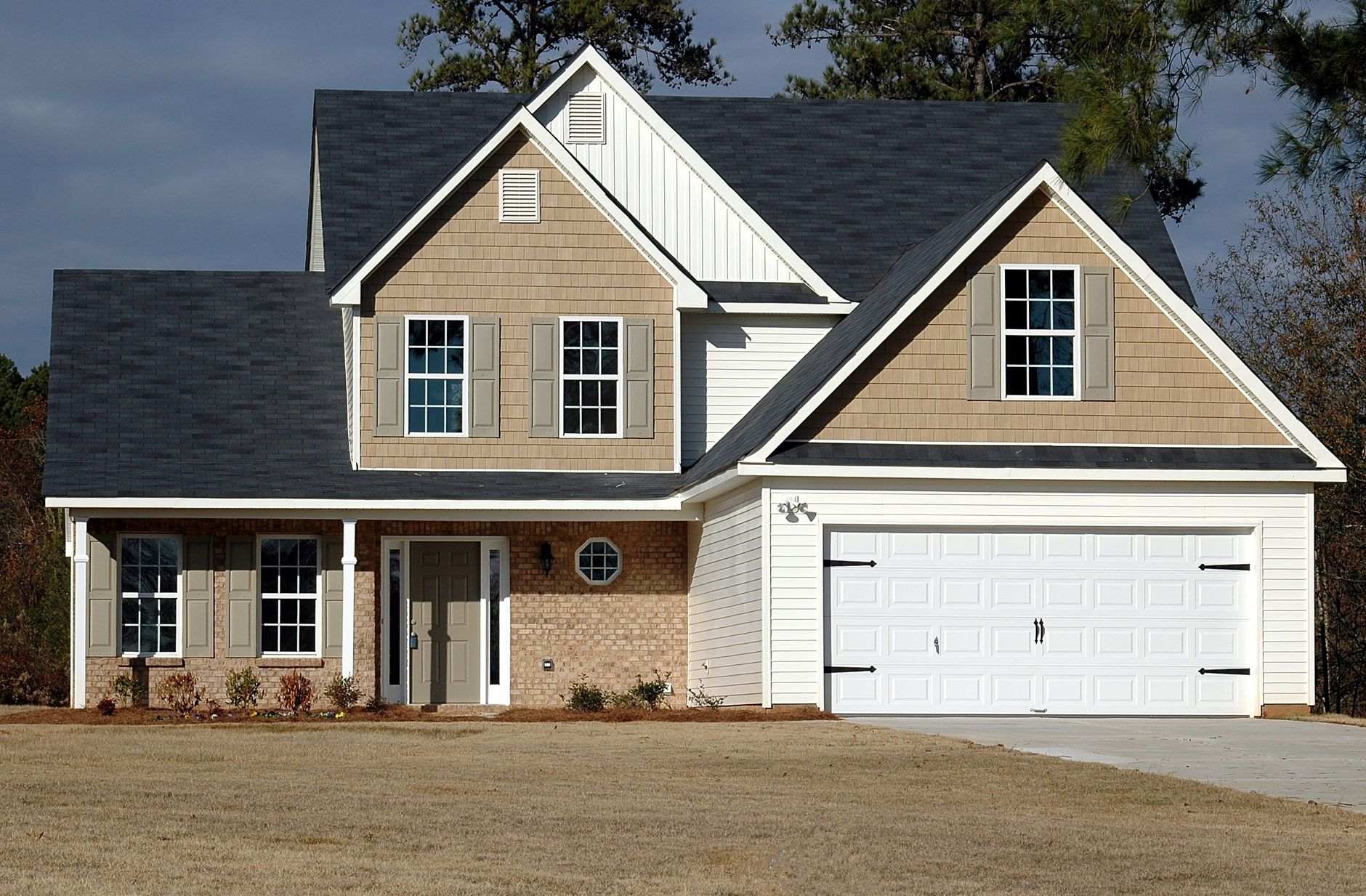
Start with the good news, because in Oklahoma City there's a lot of it. Unlike Cleveland, St. Louis, and dozens of other cities that make sellers pass a municipal inspection before transfer, Oklahoma City has no residential point-of-sale inspection. There's no city occupancy permit for a house sale either; occupancy certificates here apply to commercial buildings. You can sell an OKC house in whatever condition it sits, and the city will not send an inspector to your closing.
The one city program that does reach into a sale is vacant building registration. Once a residential structure sits vacant, OKC's ordinance requires registration within 30 days: $285 up front, $190 every year it stays empty, with exemptions only for new construction and homes under active renovation permits. If you inherited a house that's been sitting, or moved out before listing, that letter from the city is real money on a schedule. Selling ends the obligation; we cover the mechanics on our vacant house page.
Then there's the most Oklahoma item on any closing checklist: the storm shelter. The city runs a free, voluntary Storm Shelter Registry through the Action Center at (405) 297-2535, so first responders know where to dig after a tornado. Registration is not required to sell, but two things are worth knowing. The state disclosure form asks about defects in below-grade spaces like basements and storm cellars, so a shelter with a cracked lid or a flooding problem belongs on the form. And a registered shelter doesn't update itself: tell your buyer to re-register at the new ownership, because the registry only helps if the information is current. If you added a shelter at some point, note that OKC requires a residential permit for shelter installation, and buyers' inspectors sometimes ask whether one was pulled.
The OKC Market Right Now
Oklahoma City's market in 2026 is best described as flat with a wobble. Redfin's July 2026 data put the median sale price around $280,000, up 3.7% year over year, with homes selling in roughly 33 days. Just one month earlier, the June read was about $270,000 and down 1.9% from the prior year, with 38 days on market. When the same source flips from negative to positive inside thirty days, the honest conclusion isn't boom or bust. It's chop.
Chop is its own kind of risk for a seller. A listing priced off last month's comps can land in a soft week and sit, and every week it sits costs mortgage interest, taxes, insurance, and utilities. The metro still has real economic ballast: Tinker Air Force Base with roughly 26,000 workers, the state government, a large aerospace sector, and health systems that keep hiring. Demand exists. It's just not in a mood to overpay, and buyers here have inventory to compare against.
Our answer to a choppy market is a firm number. When we make a written offer on an OKC house, the math is on the paper: after-repair value from your neighborhood's actual comps, the itemized repair budget, our margin. The offer holds for the window stated on it regardless of what Redfin prints next month. What the market does after that is our problem, not yours.
What Selling Costs in Oklahoma City
Oklahoma keeps the government's hand light at closing, and OKC adds no local transfer tax on top. But the full cost stack on a listed sale still surprises people, because the big lines aren't taxes at all.
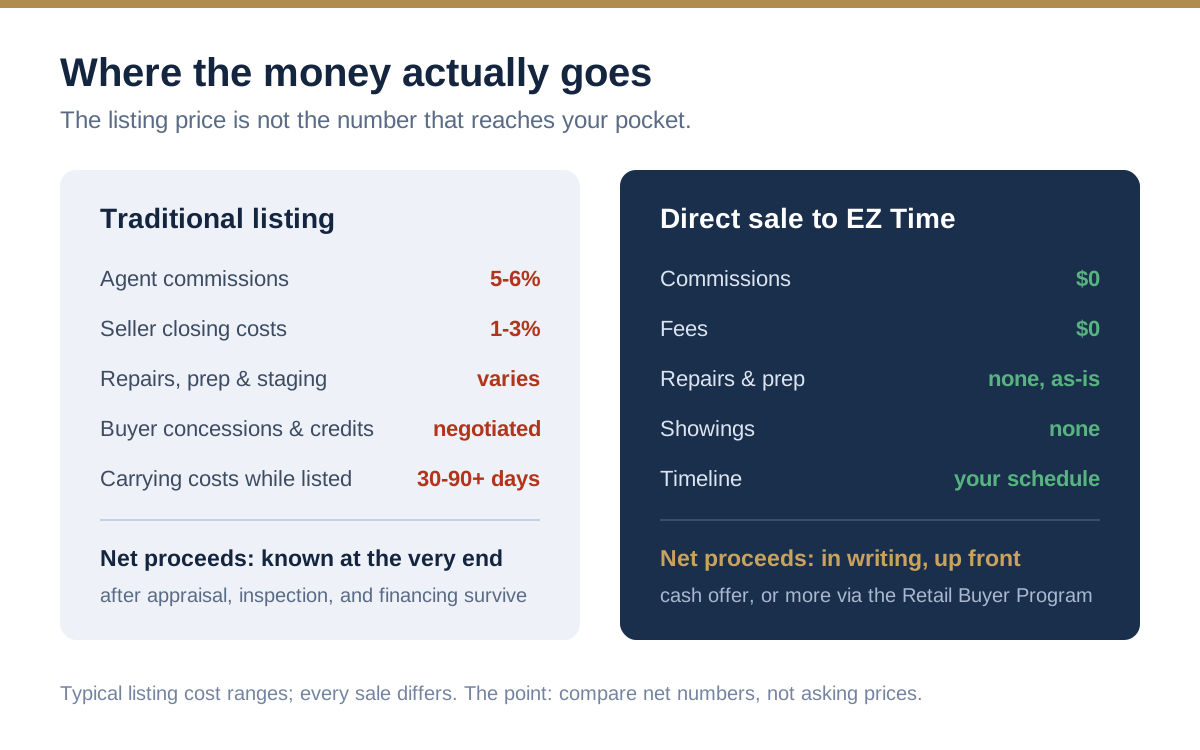
On a $280,000 OKC sale, the realistic numbers look like this:
| Cost | Typical range |
|---|---|
| Agent commissions (if listing) | 5-6%: $14,000 to $16,800 |
| Documentary stamps | $0.75 per $500 of price: $420 |
| Abstract update | $250 to $500 typical, more if stale or lost |
| Title opinion and insurance (negotiated share) | Several hundred to $1,000+ |
| Recording | $18 for the first page, $2 each additional |
| Prorated property taxes | Through your closing date |
| Repairs, concessions, buyer-requested fixes | Wildly variable, often the biggest line after commission |
The documentary stamp tax is Oklahoma's version of a transfer tax, and it's one of the lowest in the country at 0.15% of the price, collected by the Oklahoma County Clerk when the deed records, customarily paid by the seller. The price rounds up to the next $500 before the calculation, and executor's deeds made under a will are exempt, a nice break for estates. The Oklahoma selling guide walks through the statutes behind each line.
The abstract deserves its own sentence, because out-of-state owners have usually never heard of it. Oklahoma closes on a certified abstract of title, a bound history of every recorded instrument on your property, extended by a licensed abstractor and examined by an attorney before title insurance issues. In many OKC transactions custom puts the abstract on the seller's side, but the purchase contract controls, so read that line before you sign. A routine update runs a few hundred dollars. An abstract nobody has extended since the Nixon administration, or one that's simply lost, costs more and adds weeks. Find yours before you list: safe deposit box, old lender, the title company from your purchase.
When we buy directly, the stack collapses. No commission, no repairs, no concessions, and we pay standard closing costs including the title work. For OKC houses that don't need a cash buyer, our Retail Buyer Program is often the better fit: we prepare and market the house to retail buyers ourselves, which typically nets more than a typical cash offer, with the same one-signature process on your end.
OKC's Housing Stock and What Buyers Flag
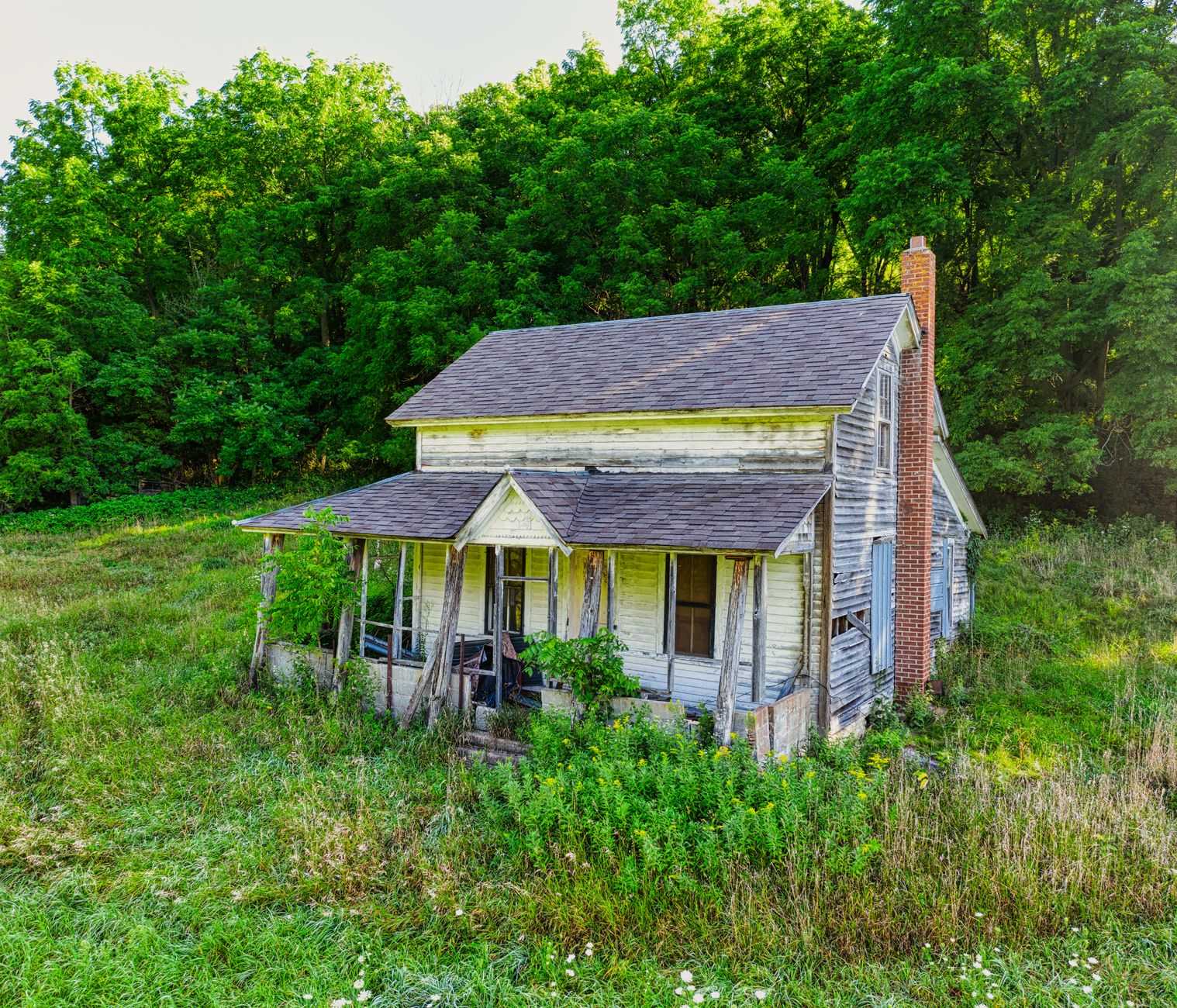
Oklahoma City's inner neighborhoods are a museum of the 1910s through the 1930s: Gatewood, Lincoln Terrace, Mesta Park, Crown Heights, Capitol Hill on the south side. Beautiful stock, and predictable inspection reports. Most of it sits on pier-and-beam foundations, and a century of Oklahoma clay soil swelling and shrinking means sloped floors and shimmed beams are practically a neighborhood feature. Anything built before 1978 also triggers the federal lead-based paint disclosure, which in these districts is essentially every house.
The postwar rings tell a different story. Del City, Midwest City, Warr Acres, and the 1950s-70s tracts inside OKC proper are mostly slab-on-grade with cast iron or Orangeburg-era drain lines reaching the end of their lives, and galvanized supply plumbing that inspectors call out on sight.
And over all of it hangs the roof question, because this is hail country and the insurance industry has noticed. A 2026 analysis of Oklahoma insurance filings found that roughly 85% of carriers writing homeowners policies here now settle roof claims on actual cash value schedules, the highest rate of any state, meaning payouts shrink with the roof's age. Carriers increasingly decline replacement-cost coverage on roofs approaching 20 years old, and some balk at insuring them at all. That lands directly on sellers: a buyer whose insurer won't write the roof is a buyer whose loan falls apart in week three. If your roof is old, or carries a paid-but-unrepaired hail claim, that's not a cosmetic issue in this market, it's a financing issue. We buy houses that need repairs with the roof priced honestly in writing, and an insurance underwriter's opinion never enters our process.
The Selling Situations We See Most in OKC
The roof that's one storm past insurable
The classic OKC call: a 2015-era roof, a hail claim that paid actual cash value, a check that didn't cover the replacement, and now a sale where every financed buyer's insurer wants a roof certification. Sequencing the claim and the sale correctly can be worth thousands, so we talk timing before contracts. An open, closed, or unfiled claim each plays differently, and we're comfortable buying in any of those states.
The Tinker-orbit PCS move
Midwest City and Del City run on Tinker Air Force Base time. When PCS orders land, sellers need a closing that hits a report date, not a listing that might find a buyer by then. Fixed closing dates and fully remote signing are the product; the Oklahoma City page covers how we handle the east-side suburbs specifically.
The inherited house on the vacant-registration clock
An out-of-state heir, a house in Capitol Hill or the northeast side, a $285 registration letter, and a probate question. Oklahoma is genuinely kind here: summary administration covers estates of $200,000 or less and typically resolves in 60 to 90 days with one hearing, which at OKC prices covers a large share of inherited homes. As a never-occupant, the heir usually signs a one-page disclaimer instead of the full disclosure form. Our inherited house guide covers the tax side, including the stepped-up basis.
How the Process Actually Runs Here
A conventional OKC sale moves through familiar checkpoints with local hardware. The contract, usually on Oklahoma Real Estate Commission forms, sets who orders the abstract update and when. A licensed abstractor extends the abstract, an attorney writes the title opinion, and any requirements get cured before closing. Financed deals run about 30 to 45 days from contract when title is clean; our direct purchases run two to three weeks once the abstract clears, since there's no lender, appraisal, or underwriting in the chain.
Everything records with the Oklahoma County Clerk at 320 Robert S. Kerr Avenue downtown (Cleveland or Canadian County for the metro's southern and western edges), where the documentary stamps get paid the day the deed records. Probate for an OKC decedent runs in the same building: the Oklahoma County District Court's probate division, with cases searchable free on OSCN under case type PB. If you're selling as an executor or heir, that docket is where your authority comes from, and we routinely hold written offers open while letters issue so an estate can sign the day the judge does.
Judicial foreclosure is the other courthouse process worth knowing: Oklahoma foreclosures run through the courts and typically take four to seven months or more, which is runway to sell if you use it early. However you sell, the state-level rules on disclosure, doc stamps, and probate are covered in our Oklahoma guide, and the Oklahoma hub links every market we buy in statewide.
This article is general information about selling in Oklahoma City, not legal or tax advice. For your specific situation, talk to an Oklahoma attorney or CPA.
From the buyers
How EZ Time Home Buyers Can Help in Oklahoma City
We buy houses in Oklahoma City as-is, in any condition, on your timeline. You'll get a written cash offer with the math shown line by line, and if that number doesn't fit your situation, the Retail Buyer Program is a second path that typically nets more than a typical cash offer while we do the work. No commissions, no fees, no repairs, either way.
Frequently Asked Questions
Do I have to register or disclose my storm shelter when selling a house in Oklahoma City?
Registration is voluntary. OKC's Storm Shelter Registry, run through the city's Action Center at (405) 297-2535, exists so first responders can find shelters after a tornado, and it isn't a condition of sale. Disclosure is a different matter: Oklahoma's disclosure form asks about defects in below-grade spaces like storm cellars, so a shelter that leaks or has a damaged door belongs on the form. And remind your buyer to register the shelter under their own information after closing, because a stale registry entry helps no one.
My OKC roof is 18 years old. Will it kill my sale?
It can kill a financed sale. Roughly 85% of carriers writing Oklahoma homeowners policies now settle roof claims on actual cash value, and many decline replacement-cost coverage on roofs near 20 years old, so your buyer's insurer may refuse to write the policy their lender requires. That's why older-roof houses in OKC increasingly sell to cash buyers. We price the roof honestly in the written offer and close without any insurance underwriting in the way.
What will I actually pay in taxes and fees to sell a $280,000 house in Oklahoma City?
The government's cut is small: documentary stamps at $0.75 per $500 of price come to $420, recording runs $18 for the first page plus $2 per additional page, and Oklahoma City adds no local transfer tax. The bigger lines are the abstract update ($250 to $500 in typical cases), your negotiated share of title work, prorated Oklahoma County property taxes, and, if you list, a 5-6% commission of $14,000 to $16,800.
Where does probate happen for an Oklahoma City house, and how long does it take?
In the Oklahoma County District Court's probate division at 320 Robert S. Kerr Avenue downtown, with filings searchable free on OSCN under case type PB. Full probate typically runs 6 to 12 months, but Oklahoma's summary administration covers estates of $200,000 or less and usually resolves in 60 to 90 days with a single hearing, which covers a large share of inherited OKC homes at current prices. We can issue a firm written offer while the case is pending so the estate can sell as soon as the court grants authority.
Related Guides
Ready to see both of your numbers?
Tell us about your property once and get a written cash offer, plus what our Retail Buyer Program could net you instead. No repairs, no fees, no pressure to accept.