
Sell Your House Fast in St. Louis, MO
St. Louis is shrinking and its prices are rising anyway, which tells you exactly who is buying: investors who prize the city's brick. If your house can't pass an occupancy inspection or carries a repair list no retail buyer will touch, that buyer pool is the one you need, and we put its demand in writing.


You'll work directly with Eric and Carson, the owners, not a call center.
Median sale price
$250K
up 5.9% YoY (Redfin, May 2026)
Days on market
~17
typical time to contract (Redfin, May 2026)
Population
279,695
down ~21,700 since 2020 (Census 2024 est.)
LRA land bank
~11,500
properties held, first land bank in the US (est. 1971)
Written offers, math included
Every offer shows the ARV, repair estimate, and our margin, line by line.
Licensed title company closings
Funds and documents always go through a neutral title company or attorney.
No fees, no commissions
Cash offer or Retail Buyer Program: your number is your number, on either path.
Two Ways to Sell. One Conversation.
Tell us about your home once and see both numbers side by side: a fast cash offer, and the higher number our Retail Buyer Program can reach while keeping the sale just as easy for you.
Fast and certain
As-Is Cash Offer
- Sell in any condition, no repairs or cleaning
- Written offer with the math shown line by line
- Close in as little as two weeks, on your date
More money, full service
Retail Buyer Program
- More money than a typical cash offer
- Keeps the easy part: one conversation, we handle the work
- Your proceeds agreed in writing, no commissions, no fees
Not sure which fits? Our honest comparison of every way to sell includes the paths that aren't ours.
How Selling to Us Works
A straightforward process with no showings, no open houses, and no waiting on bank financing.
- 1
Tell us about the house
Share the address and a few details. It takes about two minutes, and nothing is binding.
- 2
Get a fair cash offer
We research the property and local market, then present a written, no-obligation cash offer with the math explained.
- 3
Pick your closing date
Need to close in days, or need a few months? You choose the timeline that works for you.
- 4
Close and get paid
We close through a licensed title company or attorney. No repairs, no fees, no commissions.
Whatever the Situation, We've Seen It
Every seller's circumstances are different. Pick yours to see exactly how the process works.

Inherited a house
Probate, multiple heirs, out-of-state estates
Learn more →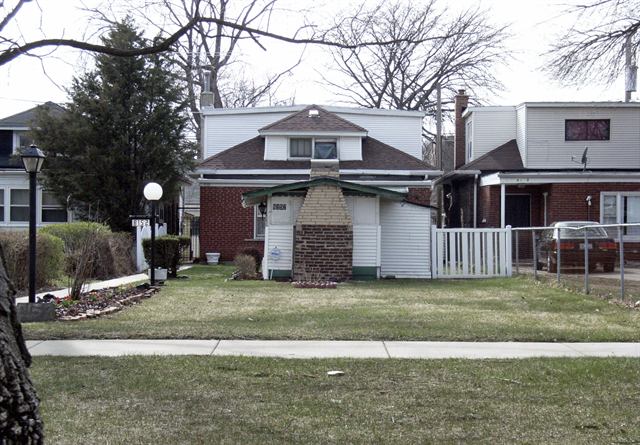
Facing foreclosure
Sell before the auction and protect your equity
Learn more →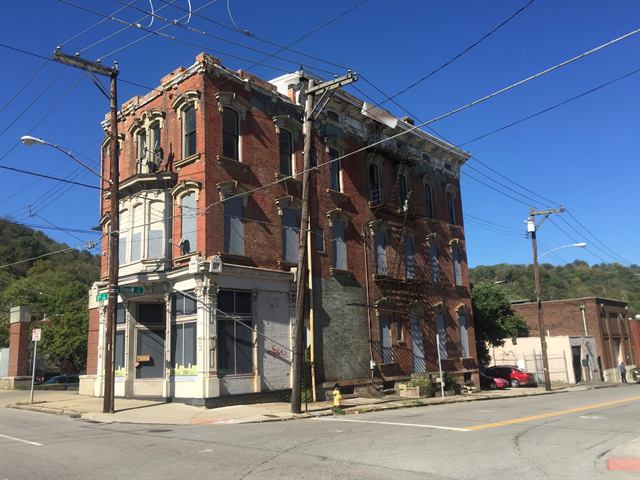
Tired landlord
Sell with tenants in place, even difficult ones
Learn more →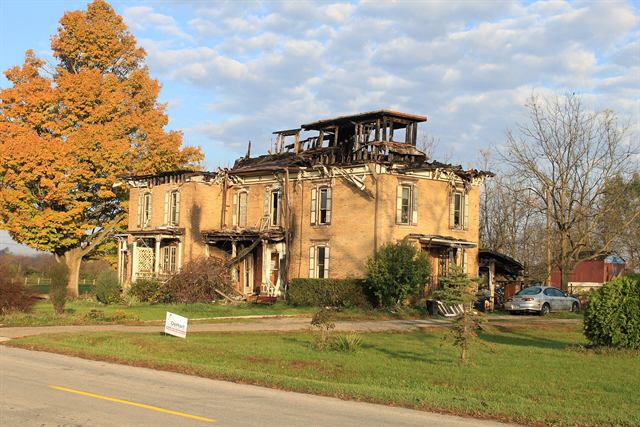
House needs repairs
Fire, water, foundation, roof: we buy as-is
Learn more →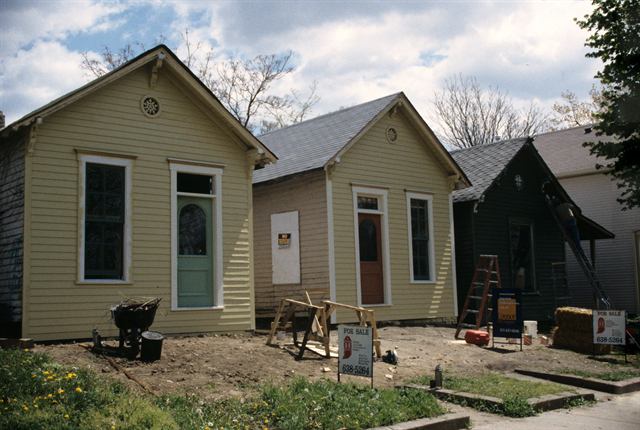
Vacant property
Stop paying taxes and insurance on an empty house
Learn more →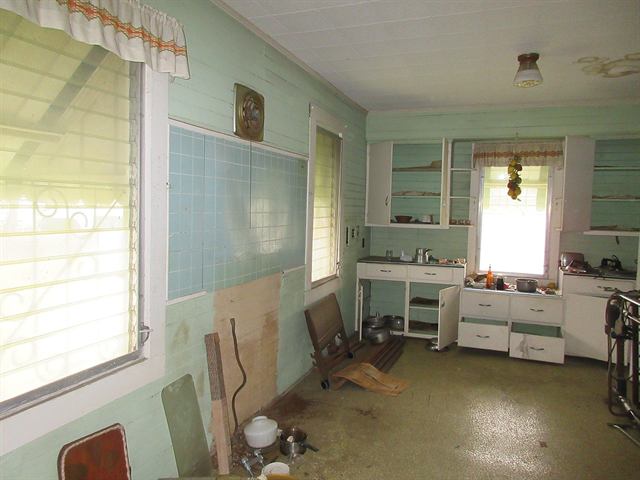
Selling as-is
No cleaning, no repairs, no showings
Learn more →
The St. Louis Market Right Now
Start with the honest part: St. Louis is shrinking. The city counts 279,695 residents (Census 2024 est.), down roughly 21,700 since 2020, continuing a decline that started generations ago. Now the part that surprises people: prices are rising anyway. The median sale price reached $250,000, up 5.9% year over year, and the typical home goes under contract in about 17 days (Redfin, May 2026). What squares those two facts is the buyer pool. St. Louis runs one of the most active investor and rehabber markets in the Midwest, built around brick housing stock that costs a fraction of comparable construction elsewhere, on top of an employment base that holds steady: BJC HealthCare is the region's largest employer with about 28,351 people, Washington University employs roughly 15,818, and Boeing's defense hub keeps around 14,000 at work here.
That combination is exactly what makes a cash sale work in St. Louis. A shrinking city produces houses that retail buyers and their lenders pass over. A 17-day market with rising prices means those same houses carry real value to buyers like us, and the after-repair value that anchors every offer we write keeps climbing.
St. Louis at a Glance (data checked August 2026)
| City population | 279,695, down ~21,700 since 2020 (Census 2024 est.) |
| Median sale price | $250,000, up 5.9% YoY (Redfin, May 2026) |
| Typical days on market | ~17 (Redfin, May 2026) |
| Occupancy inspection | Required citywide on change of occupancy (Ord. 71835) |
| Land bank | LRA, first in the US (est. 1971), holds ~11,500 properties |
| Vacancy | ~25,000 of the city's 129,000 properties vacant or abandoned |
| Foreclosure speed | Non-judicial, can finish in roughly 60 days |
The Houses We Buy in St. Louis
- Dutchtown: early-20th-century red and tan brick two-family flats and bungalows, part of the NRHP Gravois-Jefferson Streetcar Suburb Historic District
- Gravois Park: dense brick multifamily blocks where investor purchases commonly close under $200K
- Bevo Mill: brick bungalows and two-families from the same streetcar era
- Carondelet: far-south riverfront neighborhood with early-20th-century brick throughout
- North City and Old North: the heaviest vacancy in the city and the largest concentration of LRA-owned parcels
Two-family flats with one unit gutted, bungalows with hundred-year-old systems, houses beside vacant lots: all standard purchases, as-is, with the repair math shown line by line. For a house that's genuinely in retail shape, our Retail Buyer Program is the second path: more than a typical cash offer while staying as easy as a cash sale, we do the work, no commissions, no fees, and your proceeds agreed in writing before anything starts.
One Region, Ninety Sets of Selling Rules
St. Louis has a structural quirk no other market we buy in can match. The 1876 "Great Divorce" separated the city from St. Louis County, making it an independent city that belongs to no county at all, and the county it left behind fragmented into roughly 88+ municipalities. Many of those municipalities run their own occupancy or point-of-sale inspection programs with different triggers, different checklists, and different fees, which means the rules for selling a house here can genuinely change street by street.
Inside city limits, the rule is uniform and strict: the entire city is a Housing Conservation District (Ord. 71835). A change of occupancy requires an inspection and a Certificate of Inspection before the new occupant moves in, and rental property gets reinspected every 3 years. Layer on the numbers, the LRA land bank (the first in the nation, established 1971) holds about 11,500 properties and roughly 25,000 of the city's 129,000 properties sit vacant or abandoned, and you get the defining St. Louis seller problem: older brick houses that can't pass an inspection without spending money the sale won't return. We buy through failed inspections routinely; the violation list becomes our repair scope, not your project.
What St. Louis Sellers Bring Us Most
The house that failed its occupancy inspection
A conventional sale stalls the moment the Certificate of Inspection doesn't issue, and the buyer's lender usually walks. This is one of the most common reasons St. Louis owners sell as-is. We buy houses that need repairs with the inspection report in hand, the failed items priced into a written offer instead of blocking the closing.
Brick-house economics
Tuckpointing a full facade, stabilizing a foundation, replacing a flat roof: on a $150,000 house the bids routinely outrun what any retail buyer will absorb. Our offers treat that work as line items against a rising after-repair value, which is how a house with $60,000 of masonry needs still closes with money to the seller.
The North City inheritance
An inherited house on a block where the LRA owns three neighbors is still sellable, and faster than most heirs expect. Missouri probate has a hard one-year deadline to open the estate, so we tell every heir the same thing: file first, decide later. The probate guide explains the order of operations.
The three-year reinspection exit
Landlords hit the city's reinspection cycle with a list they don't want to fund on rents the neighborhood supports. Selling a rental transfers the compliance burden at closing, tenants and deposits included.
Selling Rules Worth Knowing in Missouri
- No transfer tax, constitutionally banned since Missouri voters passed Amendment 3 in 2010. Recording fees are flat and small; Missouri closings are among the cheapest in the country.
- No general statutory disclosure form: Missouri runs on caveat emptor with a duty not to conceal known material defects, plus a statutory meth-site disclosure. Telling us everything just makes the repair estimate accurate.
- Foreclosure is non-judicial and fast: about 20 days of mailed notice plus three weeks of published notice, and the whole process can finish in roughly 60 days from first notice. If notices have started, move now, Missouri gives you less runway than almost any state.
- The occupancy-inspection patchwork is real: city Ord. 71835 plus dozens of county municipal programs, each with its own triggers and fees. We track which rules apply to your address so you don't have to.
Frequently Asked Questions
My St. Louis house failed the occupancy inspection. Can I still sell it?
Yes, and this is one of the most common calls we get in the city. The Certificate of Inspection requirement (Ord. 71835) blocks a conventional change of occupancy until repairs pass, which stalls financed buyers. A cash sale doesn't need the certificate to close to us: we buy as-is, the failed items become repair line items in the written offer, and compliance becomes our responsibility after closing.
My rental is in St. Louis County, not the city. Which inspection rules apply?
Whichever of the county's roughly 88+ municipalities your address sits in. Many run their own occupancy or point-of-sale inspection programs with different triggers and fees, and two rentals a mile apart can face completely different requirements. We check the ordinance for your exact address as part of underwriting, and selling the rental transfers whatever compliance burden exists at closing, tenants and deposits included.
Is a vacant house in North City worth anything with the LRA owning half the block?
Usually yes, more than owners expect. About 25,000 of the city's 129,000 properties are vacant or abandoned, so investors here are practiced at pricing blocks with LRA neighbors, and land value plus brick salvage or rehab potential sets a real floor. A vacant house also costs money every month it sits: taxes, board-ups, insurance, and break-in risk. A written offer tells you the number so you can decide with facts.
The tuckpointing and foundation bids are more than the house seems worth. How would your offer work?
We start from the after-repair value, what the renovated house sells for in your neighborhood's rising market, then subtract the itemized repair estimate and our margin, all shown in writing. Big masonry numbers shrink the offer; they rarely erase it, because St. Louis after-repair values keep climbing. The cash offer calculator shows the same math on your numbers before you ever talk to us.
The EZ Time Standard
Six promises we make on every transaction, in every market. Not marketing lines, operating policy.
Every offer in writing, math included
The after-repair value, repair estimate, and our margin, line by line. If a number moves, you see why.
Both options in one conversation
The fast cash offer and the Retail Buyer Program number, side by side, so the trade-off is concrete before you decide anything.
No fees or commissions, either path
Your number is your number. Typical seller closing costs are on us, and nothing is deducted later.
Licensed title company closings, always
Funds and documents go through a neutral title company or closing attorney on every transaction. No exceptions.
No pressure, by policy
Our offers don't expire in 24 hours, and "let me think about it" is a perfectly good answer. Take the offer to your attorney.
Straight answers about our role
If a vetted local partner will be the closing buyer on your property rather than us directly, you'll know before you sign anything.
These promises have names attached. Meet Eric and Carson, the people who answer when you call.
Nearby Areas We Buy In
Related Guides
Ready to see both of your numbers?
Tell us about your property once and get a written cash offer, plus what our Retail Buyer Program could net you instead. No repairs, no fees, no pressure to accept.