
Selling a House in St. Louis: Local Rules, Real Costs, and What to Expect
By Carson Whaley · Updated August 27, 2026 · 8 min read
Selling a house in most of Missouri is refreshingly simple. Selling one in St. Louis adds a layer almost nowhere else in the state has: an occupancy inspection that stands between your buyer and their move-in date. Here's how that inspection actually works, what it costs, why the city-versus-county question matters so much, and what a hundred years of brick means for your bottom line.
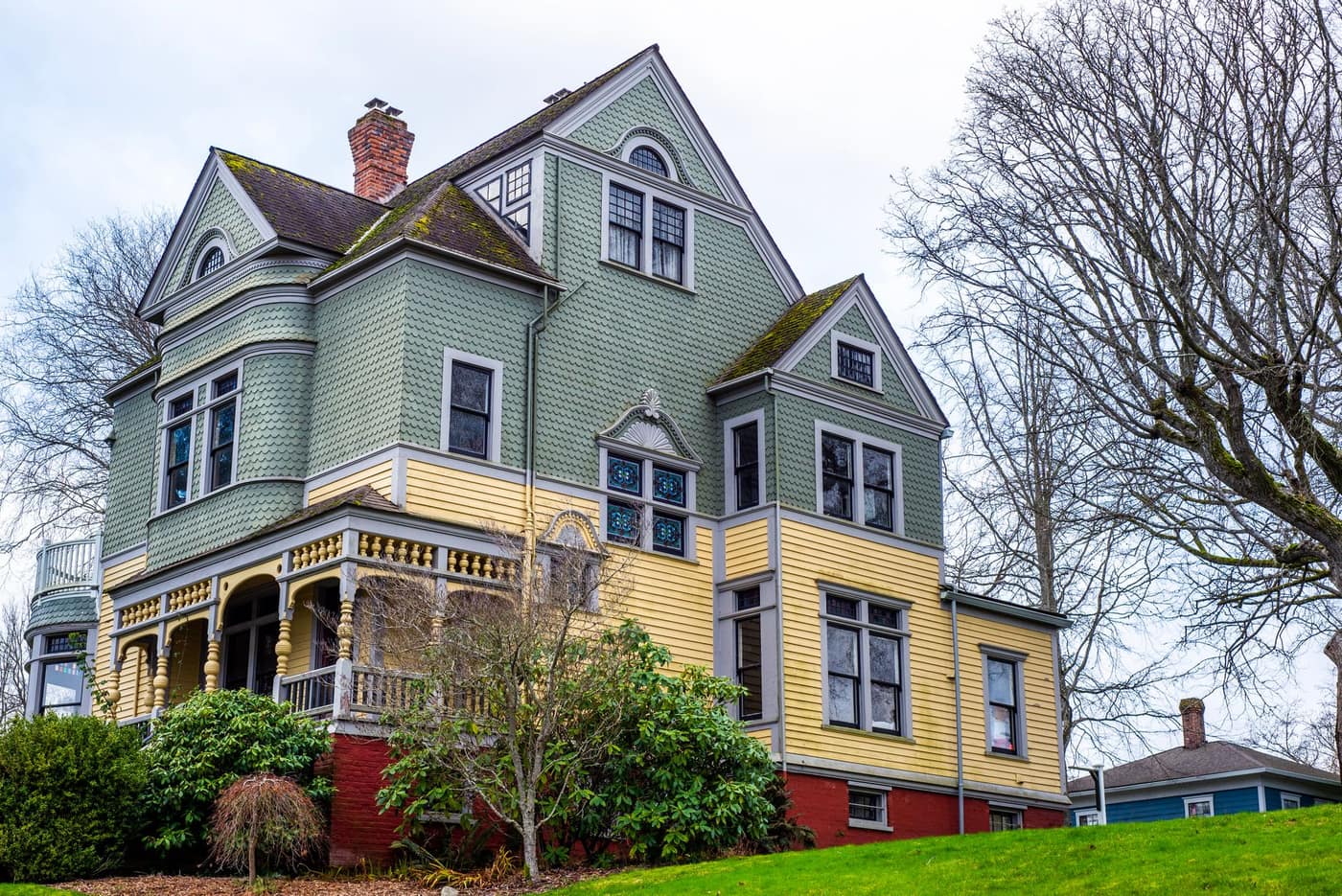
Start With the Occupancy Inspection, Because Everything Else Depends on It
Most cities let you sell a house and hand over the keys. St. Louis City makes the house pass an inspection first. Ordinance 71835 placed the entire city inside a Housing Conservation District, and a sale or any other change of occupancy triggers a Housing Conservation District inspection.
The new occupant cannot lawfully move in until the property passes and the city issues a Certificate of Inspection, and a certificate stays valid for only 12 months, so the one pulled for a tenant two years ago does not carry your sale.
The mechanics, checked against the city's Building Division in August 2026: the application costs $120 for a standard unit, $200 if the unit is occupied without a current certificate, and $65 per additional unit for multifamily buildings.
You can file online through the city's permit portal (cards carry a 3.5% processing fee) or in person at City Hall, Room 425.
Inspections get scheduled 3 to 15 business days out, water and electricity must be on for the inspector, and the inspection sets the unit's legal occupancy load, which caps how many people the buyer's household can be.
For a well-maintained house, this is a formality. For a 1905 brick two-family with original systems, it often is not, and this is exactly where St. Louis sales stall. The inspector writes up violations, the buyer's lender will not close without a path to the certificate, and the seller ends up financing repairs on a house they are trying to leave.
First, Figure Out Which St. Louis You Are In
Sellers mix this up constantly, and it changes everything. St. Louis City and St. Louis County have been separate governments since the 1876 "Great Divorce," and the city belongs to no county at all. If your address is in the city, Ordinance 71835 applies, full stop.
If you are in the county, you are in one of roughly 88+ municipalities or in unincorporated territory, each with its own rules.
Unincorporated St. Louis County has required an occupancy permit inspection at every change of occupant since 2005 for rentals and 2007 for home sales, and the county's inspection runs $80 including one reinspection, with later reinspections at $40.
Municipal programs range from nothing at all to point-of-sale regimes stricter than the city's. Before you set a closing date, confirm which government your parcel answers to. We keep a running file on these ordinances because we have to; it is the first thing we check on any St. Louis purchase.
How an As-Is Sale Gets Around the Stall
Here is the detail that saves deals: the certificate requirement attaches to occupancy, not to the deed. An investor buying the house to renovate is not moving in, so a cash closing can happen with the failed inspection report sitting right on the table. That is how we buy in the city.
The violation list becomes our repair scope, each item priced in a written offer, and compliance becomes our responsibility after closing instead of your precondition for one. If your house already failed, do not fix it blind; get the report priced first.
What the St. Louis Market Looks Like Right Now
The city's numbers tell a strange and useful story. St. Louis counts 279,695 residents (Census 2024 estimate), down roughly 21,700 since 2020, yet the median sale price reached $250,000, up 5.9% year over year, with the typical home going under contract in about 17 days (Redfin, May 2026).
A shrinking city with rising prices and fast contracts means one thing: the buyer pool is heavy with investors and rehabbers who prize St. Louis brick, and they are competing for it.
Roughly 25,000 of the city's 129,000 properties sit vacant or abandoned, and the city's land bank, the LRA, holds about 11,500 of them, so this market has decades of practice pricing rough houses. That is bad news if you expected a bidding war from young families on a house with a violation list.
It is good news if you want a serious, fast offer on that same house, because the buyers who can close on it are already here.
What Selling Costs in St. Louis, Line by Line
Start with the good news, which is statewide: Missouri has no transfer tax and constitutionally cannot impose one. Voters banned real estate transfer taxes at every level of government in 2010, so the line that costs sellers thousands in Illinois, right across the river, reads zero here.
Recording a deed with the city's Recorder of Deeds costs $23 for the first page and $5 for each additional page. The state-level picture, including the disclosure rules and Missouri's unusually fast foreclosure clock, is covered in our full Missouri selling guide.
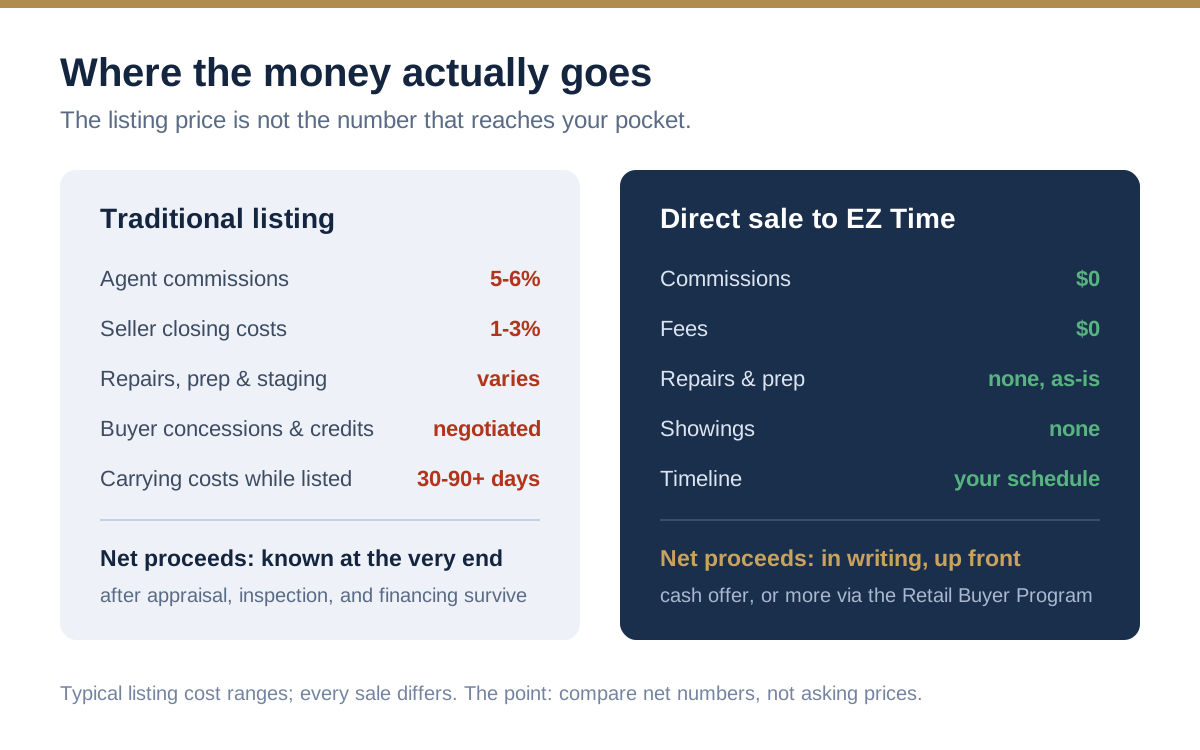
What a listed St. Louis sale actually costs:
- Commission: typically 5 to 6 percent of the sale price, the biggest line by far.
- Occupancy inspection costs: the $120 to $200 application inside the city (or your municipality's fee in the county), plus whatever the violation list demands. On older brick stock, this is the wildcard line, and it can run from a few hundred dollars to five figures.
- Title and closing fees: Missouri is a title company state with no attorney requirement, and its closing fees are among the cheapest in the country.
- Property tax proration: Missouri bills in arrears, due December 31, so you credit the buyer your share of the current year at closing.
- Repairs and concessions: whatever the buyer's own inspection round extracts on top of the city's list, often thousands.
A direct sale rewrites that list. When we buy, there is no commission, no repair credit round, and no inspection-repair project between you and closing; the settlement statement shows your payoff, the tax proration, and the wire. For a city house that is genuinely in passing shape, ask us about the Retail Buyer Program instead: it lands more than a typical cash offer while keeping the same easy process, one accountable buyer, no commissions, no fees.
A Hundred Years of Brick, and What Buyers Flag Here
St. Louis housing stock is old, masonry, and magnificent, and every one of those adjectives has a price tag. Three issues come up on inspection after inspection:
- Tuckpointing. The city's signature red and tan brick was laid with soft lime mortar, and the region's freeze-thaw winters and humid summers grind it out, which is why St. Louis is one of the heaviest tuckpointing markets in the country. Full-facade repointing bids on a two-story routinely reach five figures, and repairs done with modern hardware-store mortar can crack the softer old brick, so buyers scrutinize past patch jobs too.
- Sewer laterals. The entire lateral line from the house to the MSD main is the owner's private property. The city's Sewer Lateral Repair Program, funded by a $28 annual charge on residential tax bills (six units or fewer), covers qualifying breaks under the public right of way, but not breaks under your own yard and not root clogs anywhere on the line. A century-old clay lateral is one of the first things a savvy St. Louis buyer scopes, and a failed camera test is a common renegotiation trigger.
- Lead paint. Nearly the entire city predates 1978, so the federal lead-based paint disclosure applies to almost every sale, and buyers with young children often add testing contingencies on top.
None of this makes an old house unsellable. It just determines which buyers can say yes to it. Our offers treat each of these as a line item against the after-repair value, which is how a house with $40,000 of masonry and sewer work still closes with real money to the seller. The same math applies to any house that needs repairs, brick or not.
The Situations St. Louis Sellers Bring Us Most
The house that failed its occupancy inspection
The most common call we get inside city limits. A pending sale collapses when the certificate does not issue, or an owner applies before listing and gets a violation list longer than their budget. Selling as-is to a buyer who does not need the certificate to close converts that list from your project into a price adjustment you can see in writing.
The inherited house and the two-courthouse problem
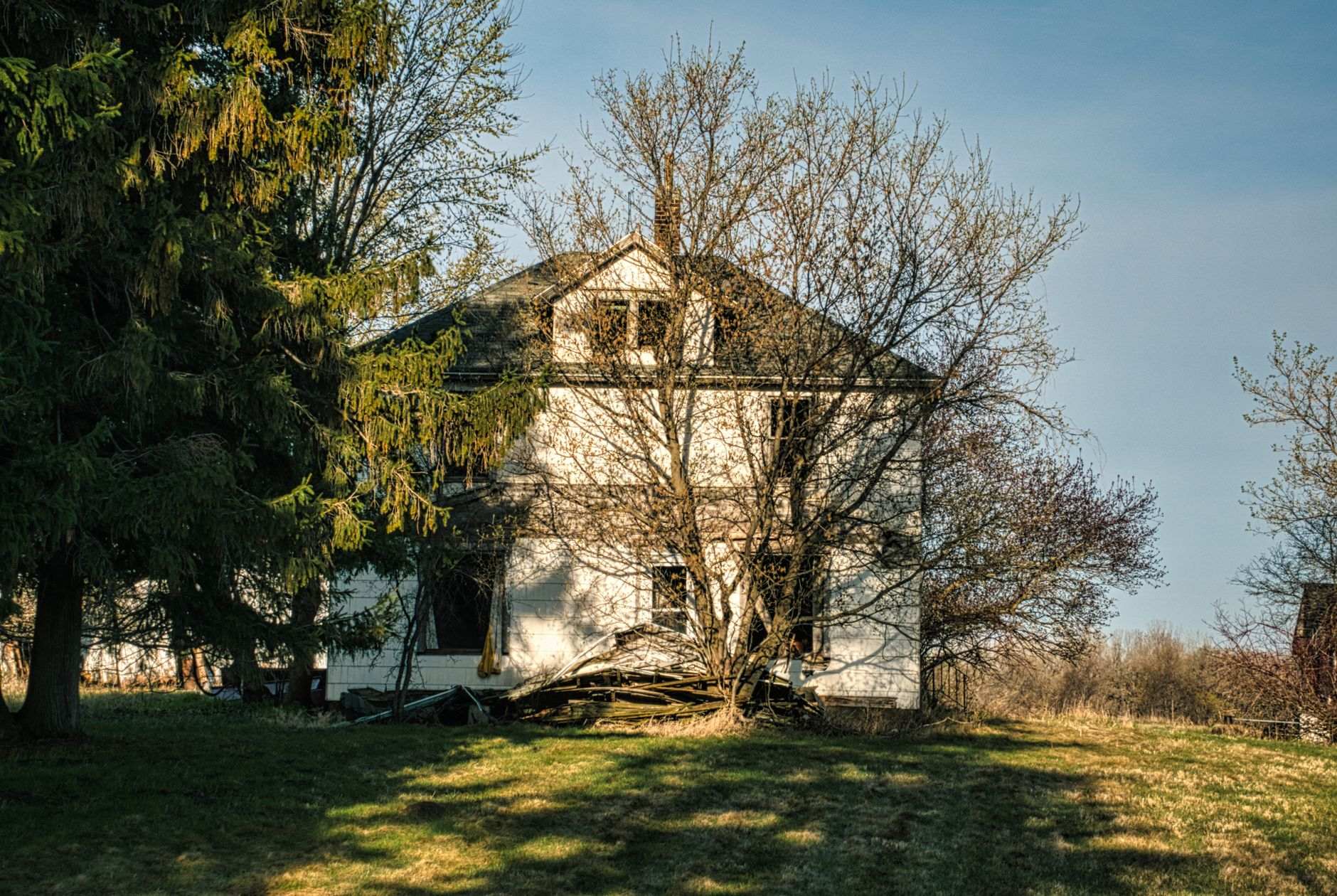
Where the house sits decides where the estate is handled. A city property goes through the Probate Division of the 22nd Judicial Circuit, on the 10th floor of the Civil Courts Building at 10 North Tucker downtown. A county property goes through the 21st Judicial Circuit's probate court in Clayton.
Either way, Missouri's rule is unforgiving: probate must be opened within one year of death or the court can no longer issue letters, so file first and decide later. Independent administration is the Missouri norm, and once letters issue, the representative can usually sell much like a normal owner.
We buy inherited houses across both jurisdictions, contents included, and we regularly issue written offers while the estate is still opening so the family can act the day authority exists.
The rental hitting its three-year reinspection
City rental property gets reinspected every three years, and each tenant turnover triggers the certificate requirement again. Landlords hit a cycle where the list grows faster than the rents that would fund it, especially on older two-family buildings. Selling the rental to us transfers the whole compliance burden at closing, tenants, deposits, and reinspection clock included.
How Closing Actually Runs Here
The mechanics are plain Missouri: a title company runs escrow, no attorney is required at the table, and closing costs are small. The local wrinkle is simply geography.
A city deed records with the city's own Recorder of Deeds at City Hall, 1200 Market Street, Room 128; a county deed records in Clayton; and your title company handles either without drama. On a financed retail sale, expect 30 to 45 days from contract to closing, plus however long the occupancy certificate takes on the front end.
On a cash sale to us, the certificate wait drops out entirely, and two to three weeks from contract to wire is normal once title is clear. Every option, including simply understanding what your house would bring both ways, starts with knowing the number, and we put ours in writing with the repair math shown.
You can see how we operate across the state on our Missouri page.
Ordinances, fees, and court procedures change, and this guide is general information, not legal advice. For probate filings or a dispute over inspection requirements, a Missouri attorney is the right call, and we work alongside sellers' attorneys all the time.
From the buyers
How EZ Time Home Buyers Can Help in St. Louis
We buy houses in St. Louis as-is, in any condition, on your timeline. You'll get a written cash offer with the math shown line by line, and if that number doesn't fit your situation, the Retail Buyer Program is a second path that typically nets more than a typical cash offer while we do the work. No commissions, no fees, no repairs, either way.
Frequently Asked Questions
Do I need an occupancy permit to sell my house in St. Louis City?
The certificate attaches to occupancy rather than to the sale itself: under Ordinance 71835, your buyer cannot lawfully move in until the property passes a Housing Conservation District inspection and a Certificate of Inspection issues, and certificates expire after 12 months. The application runs $120, or $200 for an occupied unit without a current certificate. Practically, a financed retail sale cannot close without a path to the certificate, while an investor buying as-is can close first and handle compliance after.
My house is in St. Louis County, not the city. Do the same rules apply?
No, and this is the distinction that trips up the most sellers. The city and county split in 1876, so Ordinance 71835 only governs addresses inside city limits. In unincorporated St. Louis County, an occupancy permit inspection has applied to home sales since 2007 and costs $80 including one reinspection. Inside the county's roughly 88+ municipalities, the rules vary from no program at all to strict point-of-sale inspections, so check with your specific city hall before setting a closing date.
Who pays for tuckpointing and sewer lateral problems when selling a St. Louis house?
In a listed sale, usually you, through repair credits or price cuts negotiated after the buyer's inspection. The full lateral line from your house to the MSD main is your private property, and the city's $28-a-year Sewer Lateral Repair Program only covers qualifying breaks under the public right of way, not under your yard. In an as-is sale to us, both items become priced line items in the written offer instead of open-ended negotiations, which at least makes the cost visible before you commit.
Where does probate happen for a St. Louis house, and how fast must we act?
It depends on which side of the city-county line the house sits. City properties go through the Probate Division of the 22nd Judicial Circuit in the Civil Courts Building at 10 North Tucker; county properties go through the 21st Judicial Circuit in Clayton. Missouri requires the estate to be opened within one year of death or the court can no longer issue letters, so filing promptly preserves every option even if the family has not decided whether to sell.
Related Guides
Ready to see both of your numbers?
Tell us about your property once and get a written cash offer, plus what our Retail Buyer Program could net you instead. No repairs, no fees, no pressure to accept.