
Selling a House in Milwaukee: Local Rules, Real Costs, and What to Expect
By Eric Roebuck · Updated August 26, 2026 · 8 min read
Milwaukee will not make you pass an inspection to sell your house, but it keeps better records on that house than almost any city its size, and the records follow the deed. Here is what actually changes hands in a Milwaukee sale: the orders, the registrations, the fees, and the numbers behind all of it.
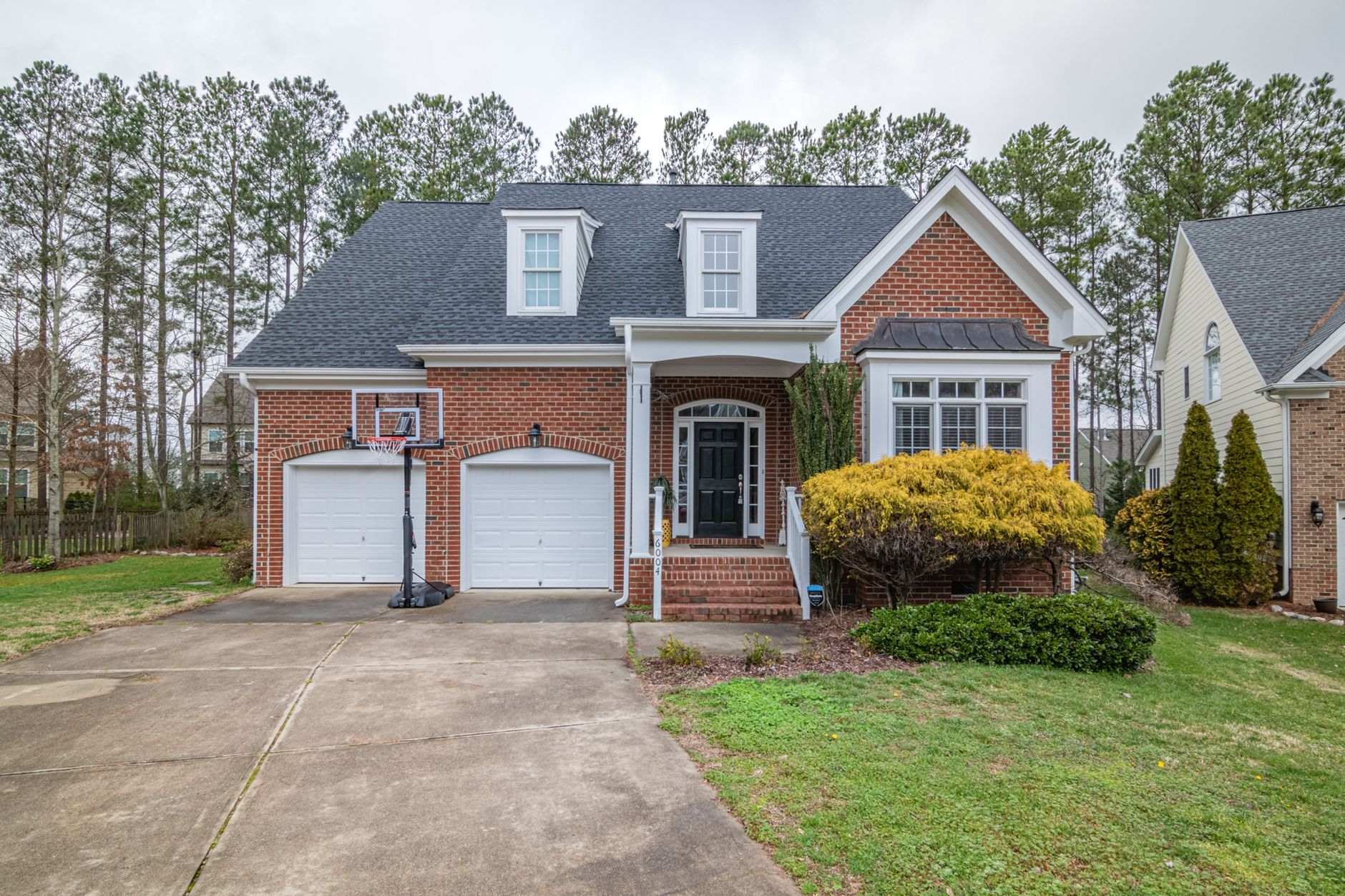
Milwaukee Has No Point-of-Sale Inspection. Its Paperwork Follows the House Instead.
Plenty of Midwest cities make sellers pass a municipal inspection before a deed can change hands. Milwaukee is not one of them. There is no point-of-sale inspection here, no new occupancy certificate is required when an existing house or duplex is sold, and the one-time code compliance certificate the city once required in a handful of designated neighborhoods no longer appears anywhere in the current code (Milwaukee Code of Ordinances ch. 200). In that narrow sense, selling in Milwaukee is refreshingly unregulated.
What Milwaukee does instead is keep meticulous records, and those records attach to the property, not the person:
- Open code orders transfer with the house. When the Department of Neighborhood Services issues an order to correct conditions, that order does not die at closing. The city's own guidance to buyers says it plainly: the new owner is responsible for any unabated code violations, all of them viewable in the city's LMS Land Management System. Unpaid reinspection fees ($250 for the first, $500 for each after) become special charges on the tax bill if they sit past the October roll date.
- The DNS Title Search. For $50.80 (form DNS-35), the department reports every open order, special charge, and program obligation attached to an address, and the city strongly urges one for every Milwaukee transaction. Assume your buyer's title company will pull it, because it will.
- Property registration. Nearly every property except an owner-occupied single-family, duplex, or condo unit must be registered with DNS. A change of ownership means a new $100 registration filed within 15 days of conveyance; a late filing doubles the fee, and ignoring an order to register can add $75 a month (MCO 200-51.5, 200-33-44.2).
- Vacant Building Registration runs straight through a closing. A building vacant 30 days or more must be registered, and the registration is not interrupted by a sale: the buyer inherits it and must update it within 30 days. Registering is free, but renewals cost $250 every six months, and a vacant building carrying open code orders pays enhanced fees of $500, $750, or $1,000 depending on how long the orders have been outstanding.
- Rental certificates in two designated areas. Rentals in the Residential Rental Certificate areas, Lindsay Heights and the UWM East Side, need certification with inspections at $85 per unit.
Notice what none of this does: block a sale. Every item on that list is a disclosure and pricing problem, not a legal barrier. We buy Milwaukee houses with open orders, active vacant registrations, and RRC obligations as-is, and everything on the DNS printout becomes our responsibility the day we close.
The Milwaukee Market Right Now
The numbers are steady rather than dramatic. Milwaukee County's median sale price sits around $291,000, up 2.0% year over year, and the typical home goes under contract in about 36 days (Redfin, May 2026; figures checked August 2026). Underneath those averages is a split market. Renovated bungalows in Bay View and Washington Heights draw fast, competitive offers. Tired duplexes on the north side draw investors doing arithmetic. A house that needs a roof, an electrical service upgrade, and three dumpsters barely participates in the retail market at all, which is why the as-is price and the listed price are separate conversations in this city more than most.
Rising values help sellers in either lane. Appreciation flows into as-is values too, so a rough house is worth more today than it was last summer.
What Selling Costs in Milwaukee
Start with relief: Milwaukee charges no city transfer tax. The only transfer levy is Wisconsin's state fee of $3 per $1,000 of value (Wis. Stat. 77.22), about $873 on a median $291,000 county sale, paid by the seller and reported through the state's mandatory electronic eRETR return that the title company files before the county will record your deed.
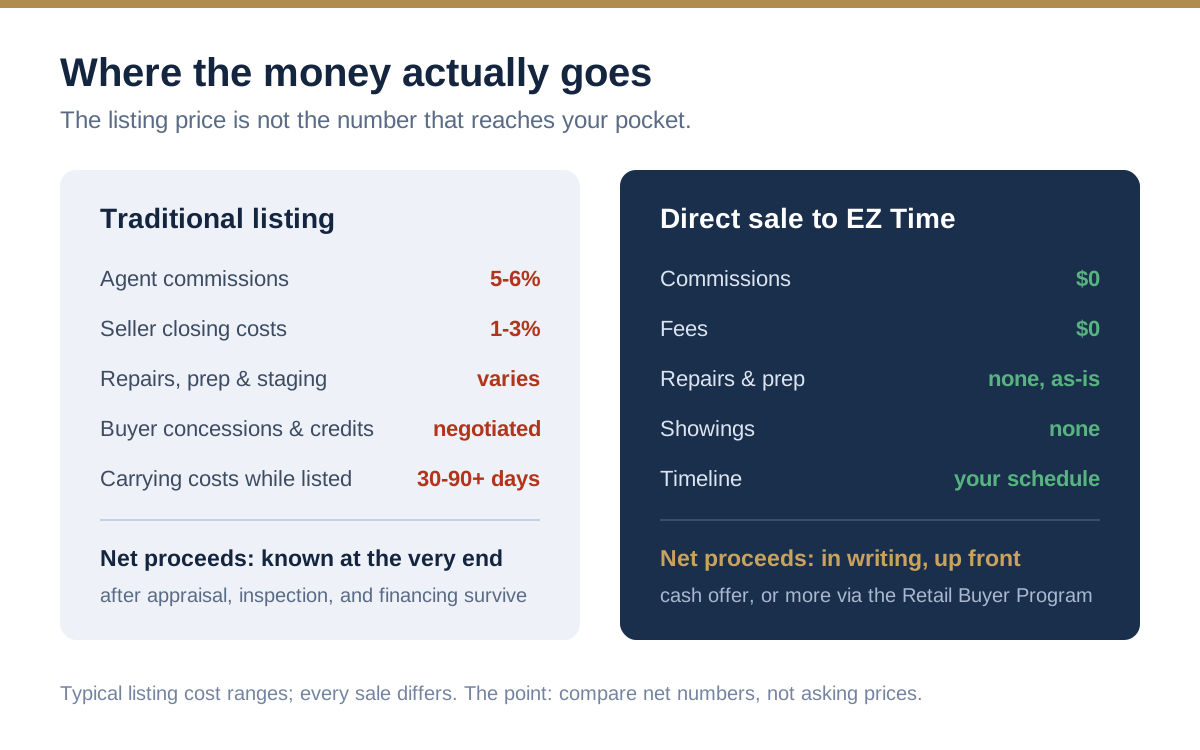
The rest of a listed sale's cost stack looks like this:
| Cost | Typical Milwaukee number |
|---|---|
| Agent commissions | 5-6% of sale price ($14,500-$17,500 at the county median) |
| State transfer fee | $3 per $1,000 (Wis. Stat. 77.22) |
| Owner's title insurance | Seller-paid by Wisconsin custom; several hundred to $1,500+ |
| Recording and closing fees | $30 flat deed recording (Wis. Stat. 59.43) plus $300-$800 title and closing |
| DNS title search | $50.80 |
| Special charges and open-order payoffs | Whatever the city's printouts say; paid from proceeds |
| Property tax proration | Wisconsin bills in December, so you credit the buyer for your months |
Two lines deserve a Milwaukee-specific warning. Special charges (reinspection fees, board-ups, city grass cutting) ride the tax roll and get collected from your proceeds whether you remembered them or not, so pull your own DNS title search early instead of discovering the total in week four. And the tax proration surprises everyone: Wisconsin bills property taxes in arrears each December, so a mid-year seller credits the buyer for the months already lived in. The full state-level cost picture, prorations included, is in our Wisconsin selling guide.
A direct sale collapses that stack to the payoffs, the proration, and the transfer fee, with repairs already priced into a written offer instead of renegotiated after an inspection.
A Housing Stock Older Than Your Grandparents
Milwaukee's signature housing is old: circa-1900 Polish flats and worker cottages in Riverwest, 1910s-1920s duplexes and big bungalows in Sherman Park, 1890s-1920s cottages in Bay View. Age is the charm, and age is what every inspector and insurer goes looking for.

- Knob-and-tube wiring and small electrical services. Common in pre-war houses that never got a full rewire. Many insurers surcharge or decline knob-and-tube, which can knock a financed buyer out of the deal even when the wiring still works.
- Lead service lines. Milwaukee still has more than 65,000 lead water service lines connecting older houses to the main. The city plans roughly 5,000 replacements in 2026 and intends to remove them all by 2037, and since 2024 replacements under the city's prioritization program have come at no cost to the homeowner (Milwaukee Water Works, April 2026). Buyers ask about this more every year; know what your line is before the question comes.
- Lead paint. Nearly universal in Milwaukee's pre-1978 stock, with federal disclosure rules applying to every sale of that era.
- Old basements. Stone and brick foundations from the early 1900s show their age as bowing walls, failing mortar, and seasonal seepage, and buyers' inspectors write all of it up.
None of this is fatal. It decides which lane a house sells in. A rewired, replumbed bungalow competes at retail; one with original everything sells to a buyer who prices the work honestly and shows the math.
The Selling Situations We See Most in Milwaukee
The estate house heading into its first empty winter
Milwaukee probate runs through the Milwaukee County Register in Probate, Room 207 of the courthouse at 901 N. 9th St., and most estates use Wisconsin's informal administration with no courtroom hearings on routine steps (Wis. Stat. ch. 865). Estates of $50,000 or less can skip probate entirely with a Transfer by Affidavit (Wis. Stat. 867.03), and a personal representative who never lived in the house is exempt from the state condition report (Wis. Stat. 709.01(2)). The real deadline is the calendar. An empty inherited house in January is a frozen-pipe claim waiting to happen, insurers restrict coverage on vacant homes, and at 30 days empty the DNS vacant-registration clock starts. Estates that decide by fall close by Thanksgiving. Estates that wait find out in March what winter did.
The tax-delinquent house ahead of the city's filing
Milwaukee is unusual: the city itself forecloses, filing in rem under Wis. Stat. ch. 75 once property taxes run a year or more delinquent. Until the court enters judgment, the owner still owns the house and can sell it, with the back taxes and special charges paid out of proceeds at closing. After judgment, the house belongs to the city and the equity is gone. Every notice tells you where in that process you stand; act while the answer is still "before judgment."
The duplex with orders, tenants, or both
The classic Milwaukee package: an inherited or worn-out rental duplex, open DNS orders, a tenant in the lower unit, sometimes rent withholding already in play (Milwaukee escrows rent with the city on overdue orders). All of it can sell in one transaction. Leases and deposits transfer at closing, the orders become the buyer's to clear, and a tenant-occupied sale means nobody marches showings through an occupied flat. Duplexes with strong bones and real equity sometimes fit our Retail Buyer Program instead: more than a typical cash offer, with the sale just as easy on your end.
How a Milwaukee Closing Actually Runs
Wisconsin is a title-company state, so a Milwaukee closing is a title company appointment, not a courtroom event. The company searches title, pulls the city and county payoff letters, files the eRETR transfer return, and records the deed with the Milwaukee County Register of Deeds. If you are married and the house is your homestead, both spouses sign no matter whose name is on the deed (Wis. Stat. 706.02(1)(f)). A financed retail sale runs 30 to 45 days from contract when nothing breaks; our closings run two to three weeks once title is clear, on a date you pick, and the Wisconsin hub covers how we operate across the state.
One more clock worth knowing. Wisconsin foreclosure is judicial and slow, typically 9 to 12 months or more, and even after judgment a redemption period of 3 to 6 months runs before any sheriff's sale (Wis. Stat. 846.101, 846.10(2)). You can sell that entire time. The exception is a house the court finds abandoned, which can be sold just 5 weeks after judgment (Wis. Stat. 846.102), one more reason to keep an empty Milwaukee house looking lived-in.
This guide is general information about Milwaukee and Wisconsin rules, not legal advice. Ordinances and fees change, and facts differ; for a specific estate, foreclosure, or code question, the city's own offices and a licensed Wisconsin attorney are the authorities.
From the buyers
How EZ Time Home Buyers Can Help in Milwaukee
We buy houses in Milwaukee as-is, in any condition, on your timeline. You'll get a written cash offer with the math shown line by line, and if that number doesn't fit your situation, the Retail Buyer Program is a second path that typically nets more than a typical cash offer while we do the work. No commissions, no fees, no repairs, either way.
Frequently Asked Questions
Do I need a city inspection or certificate to sell my house in Milwaukee?
No. Milwaukee has no point-of-sale inspection, and existing homes need no new occupancy certificate when they change hands. The city's obligations attach around the sale instead: most non-owner-occupied properties must be registered with DNS within 15 days of conveyance ($100, doubling if late), a vacant building's registration carries straight over to the buyer, and any open code orders transfer too. A $50.80 DNS Title Search lists everything attached to your address, and it is worth pulling before you sign anything.
Can I sell a Milwaukee house with open DNS code orders?
Yes. Orders to correct conditions run with the property, not with you, so a sale hands them to a buyer willing to take them on, and the city's own buyer guidance says exactly that: the new owner is responsible for any unabated violations. Disclose the orders, expect the buyer's title company to pull the DNS records, and know that unpaid reinspection fees will be collected from your proceeds as special charges. We buy Milwaukee houses with open orders routinely and clear them after closing.
My Milwaukee house is vacant. What is that costing me while I decide?
A building vacant 30 days or more must be registered with DNS. Renewals cost $250 every six months, and a vacant building with open code orders pays enhanced fees of $500, $750, or $1,000 depending on how long the orders have been outstanding, all chargeable against the real estate if unpaid. Add restricted insurance coverage on vacant homes and Milwaukee's freeze risk from roughly November through March, and a vacant house here carries some of the highest holding costs in Wisconsin. Selling before the next renewal, or the next cold snap, is usually the cheapest move.
Where does probate happen for a Milwaukee house, and how soon can the estate sell?
Estates file with the Milwaukee County Register in Probate, Room 207 of the courthouse at 901 N. 9th St. Most use Wisconsin's informal administration (Wis. Stat. ch. 865), and once the personal representative is appointed, typically a matter of weeks, the house can be marketed and sold during administration through a normal title company closing. Estates of $50,000 or less can skip probate with a Transfer by Affidavit (Wis. Stat. 867.03), and a representative who never occupied the house is exempt from the state condition report (Wis. Stat. 709.01(2)).
Related Guides
Ready to see both of your numbers?
Tell us about your property once and get a written cash offer, plus what our Retail Buyer Program could net you instead. No repairs, no fees, no pressure to accept.