
Selling an Inherited House in Arizona: Probate, Taxes, and Your Options
By Eric Roebuck · Updated August 26, 2026 · 9 min read
Arizona makes inheriting a house about as painless as any state can: most probates are informal with no hearings, estates with up to $300,000 in real property equity can skip probate entirely by affidavit, and there is no state estate or inheritance tax. Here's the whole path from the death certificate to the closing wire, from people who buy inherited Arizona houses every month.
What Happens to the House the Moment the Owner Dies
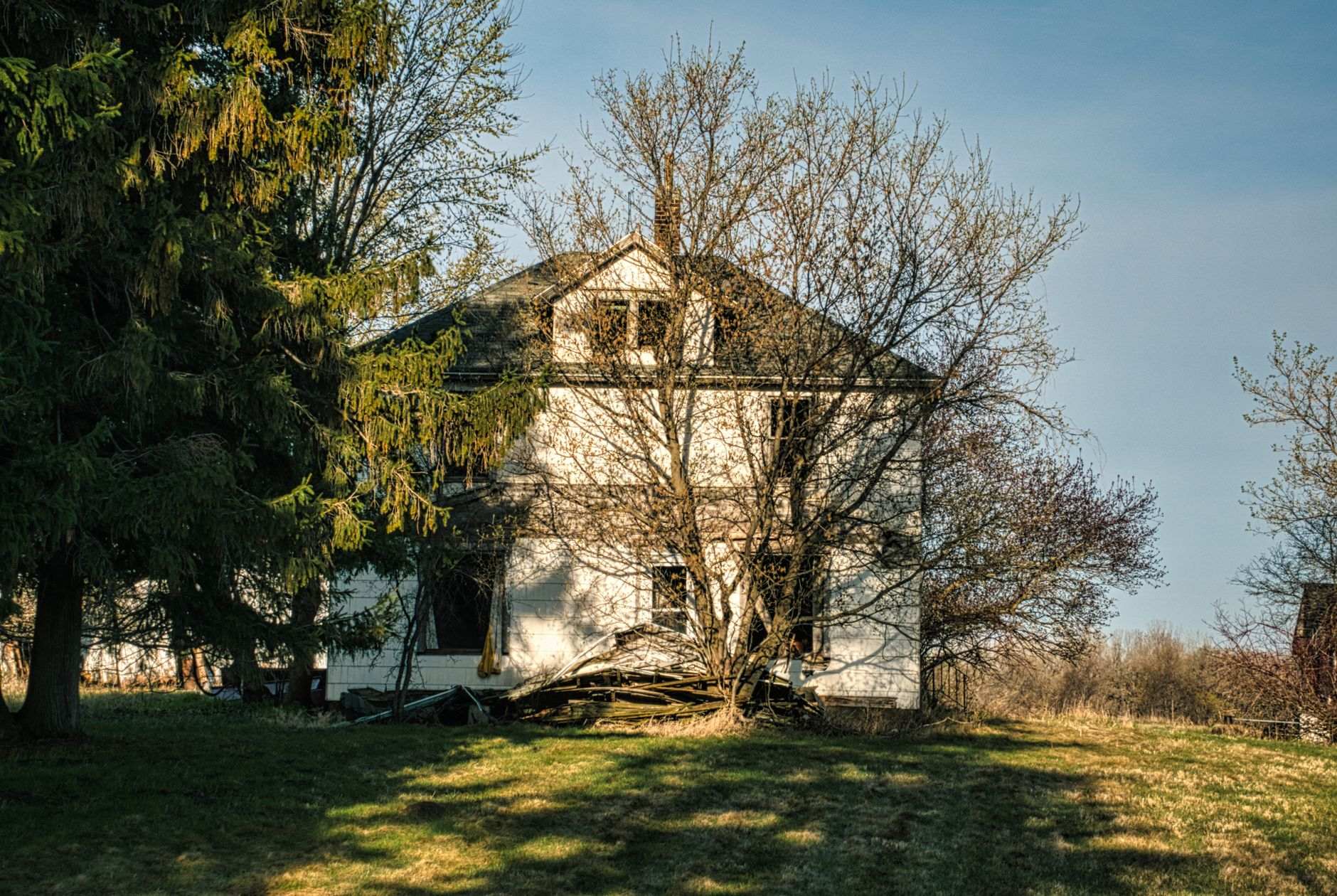
Arizona law doesn't leave title floating. Under A.R.S. 14-3101, a deceased person's property devolves to the people named in the will (devisees) or, without a will, to the heirs the intestacy statutes designate, at the moment of death. But that devolution is subject to administration: the estate's debts get paid first, and a personal representative controls the property in the meantime. In plain terms, you may already own the house in a legal sense, but no title company will insure a deed you sign until the right paperwork exists.
Whether that paperwork means probate depends entirely on how the house was titled:
- Living trust: the successor trustee can sell without any court involvement. This is the cleanest case.
- Joint tenancy or community property with right of survivorship: the surviving co-owner records a death certificate and owns the house outright.
- Beneficiary deed: Arizona is one of the states with a true transfer-on-death deed for real estate (A.R.S. 33-405). If the owner recorded one, the named beneficiary records the death certificate and takes title, no probate.
- Sole name or tenants in common: the house goes through probate, or qualifies for the affidavit shortcut below. A will does not skip probate; it just names who's in charge and who inherits.
Check the deed before you assume anything. We've seen families brace for months of court process, then discover Mom recorded a beneficiary deed in 2019 and the whole thing was a two-week title job.
The Probate Paths: Informal, Formal, and the $300,000 Shortcut
Informal Probate: The Default Path
Arizona adopted the Uniform Probate Code, which is why probate here is faster and quieter than the horror stories from other states. The typical case is informal probate: an application filed with the probate registrar of the Superior Court in the county where your parent lived, no hearing and no judge unless someone objects. The court issues letters of appointment to the personal representative (called an executor when there's a will, an administrator without one), usually within a few weeks. Those letters are the document a title company needs to see before the estate can sign a deed.
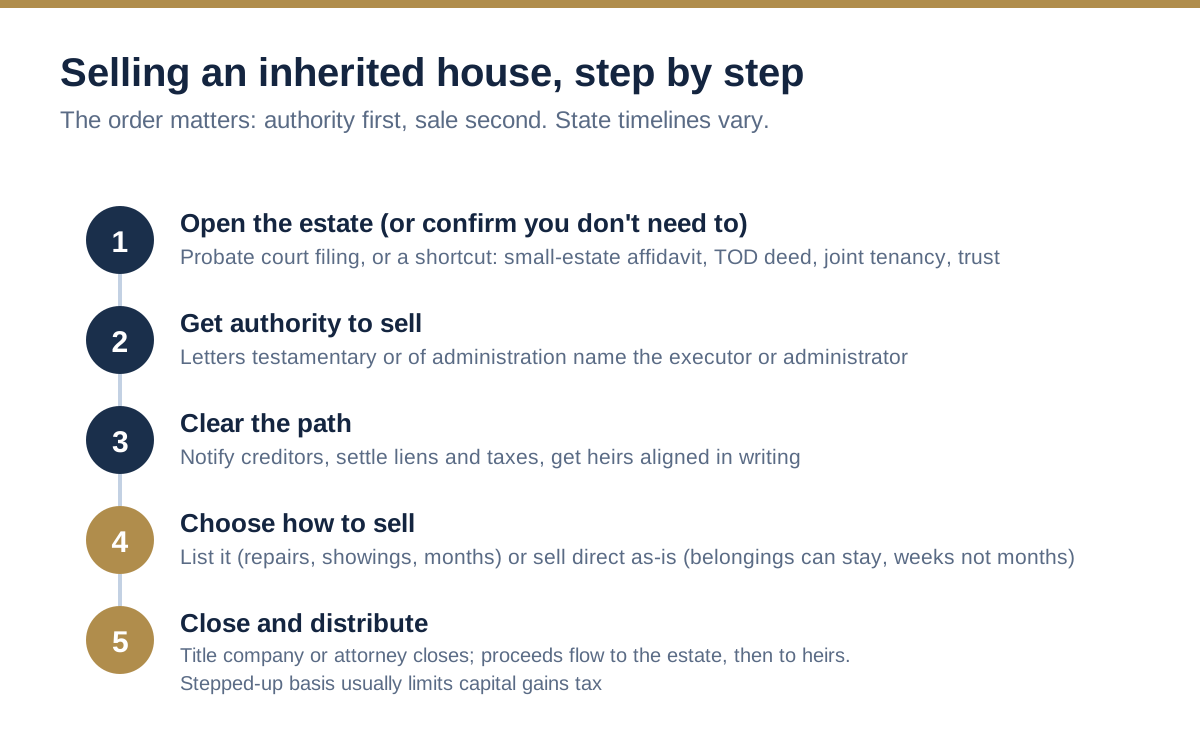
Arizona's informal process is a form of independent administration: once appointed, the personal representative can generally list and sell estate real property much like a normal owner, without a separate court hearing on the sale. Uncontested estates commonly wrap up in 6 to 12 months, but the house sale rarely has to wait for the estate to close. Proceeds go into the estate account, creditors and taxes get paid, and heirs receive distributions at the end. Our guide to selling a house in probate covers the authority questions in detail.
Formal Probate for Contested Estates
Formal probate, with hearings in front of a judge, is reserved for contested situations: a disputed will, a fight over who should serve, a missing heir. It's slower but still workable, and a sale can still happen inside it.
The $300,000 Small-Estate Affidavit
Arizona also offers a shortcut that got dramatically bigger. Under A.R.S. 14-3971, as amended by House Bill 2116 in 2025 (effective September 26, 2025), real property with up to $300,000 in equity, measured by the county's assessed value minus liens, can transfer to the heirs by a recorded affidavit six months after death, with no probate at all. The old cap was $100,000. Because Arizona assessed values run well below market prices, a large share of older houses in Phoenix, Mesa, and Tucson now fit under the threshold even when they'd sell for far more. Personal property gets its own $200,000 cap with only a 30-day wait. Have a probate attorney run the numbers; the test is equity by assessed value, not what the house would fetch on the market.
Which path you're on determines your timeline: an affidavit family waits six months and then sells as owners; an informal probate family can often sell within weeks of the letters issuing. Our full guide to selling a house in Arizona covers what happens after authority exists.
Taxes: Heirs Usually Owe Far Less Than They Fear
Start with the number most families never hear until it's too late to enjoy it: for most inherited Arizona houses sold reasonably soon after death, the tax bill rounds to zero. Four reasons.
The stepped-up basis. Under IRC Section 1014, your cost basis in inherited property is its fair market value on the date of death, not what your parents paid in 1987. Sell near that value and there's little or no capital gain to tax. Get a date-of-death appraisal and keep it forever; it's the single most valuable tax document in the whole process.
The community property bonus. Arizona is a community property state, and when one spouse dies, community property gets a stepped-up basis on the entire house, not just the deceased spouse's half. That's the federal treatment of community property under IRC 1014, and it means a surviving spouse who sells often owes nothing even after decades of appreciation.
No Arizona estate or inheritance tax. Arizona stopped collecting its estate tax for deaths after 2004 and repealed the statutes in 2006, and it has never taxed heirs on what they receive. The federal estate tax only touches estates above roughly $15 million (2026 exemption), which is to say, almost nobody reading this.
No transfer tax at closing. Arizona voters constitutionally banned real estate transfer taxes in 2008 (Article IX, Section 24 of the Arizona Constitution). When the sale closes, the only government charge at recording is a flat $30 fee (A.R.S. 11-475).
If the house sits for a couple of years and appreciates past the date-of-death value, the gain above basis is taxed at federal long-term capital gains rates (0, 15, or 20%), and Arizona taxes it as income at its flat 2.5% rate with a 25% subtraction for long-term gains (A.R.S. 43-1022), an effective state rate near 1.875%. Even the worst case here is mild. What actually costs heirs money is time: property taxes, insurance, utilities, and an HOA bill every month the house sits unsold.
When Four Heirs Own One House
The law is rarely the hard part. The hard part is three siblings in three time zones and one house in Glendale. The workable arrangements, roughly in order of preference:
- One heir buys the others out, at a price set by an appraisal everyone agrees on in advance. Put the agreement in writing before anyone orders the appraisal.
- Sell and split. The clean default. While the estate is open, the personal representative typically has authority to sell without unanimous heir consent, though smart representatives get buy-in anyway. Once the house has been distributed into the heirs' names, every owner on the deed must sign.
- One heir keeps living there. Fine if everyone agrees on rent and a timeline. A silent arrangement where one sibling occupies a jointly owned house free for years is how families stop speaking.
- Partition, the last resort. Any co-owner can file a partition action in the Superior Court of the county where the property sits (A.R.S. 12-1211). Since a house can't be split down the middle, the court typically orders it sold and the proceeds divided. It works, and it also costs each side attorney fees, takes months to years, and usually ends the relationship. In our experience most standoffs are about information, not money: share every offer and document with every heir at the same time. We present our offers on group calls for exactly this reason, so nobody wonders what the others were told.
The House Itself: Belongings, Insurance, and Arizona Summers
An inherited house is a full-time liability wearing a nostalgic disguise, and Arizona's climate makes it worse.

The belongings. Forty years of possessions is the task that stalls more estates than any court does. Take the photographs, the documents, and the things that matter; an estate sale or clean-out service handles the rest. Or skip the clean-out entirely: when we buy inherited houses, sellers can leave anything they don't want, furniture to the garage full of tools, and we handle it after closing.
Insurance. Call the insurer early. Homeowner's policies can lapse or restrict coverage when the named insured dies or the house sits vacant, and a vacant, uninsured house is the estate's biggest risk. Ask for an estate or vacant-property endorsement.
The Arizona-specific hazards. A house sitting empty through a Phoenix or Tucson summer takes real damage: an AC left off cooks cabinets, flooring, and seals in 110-degree heat, while running it costs hundreds a month. Monsoon season finds every weak spot in a sun-cooked roof. If there's a pool, it must stay fenced and maintained; a green pool draws city code enforcement, and an unsecured one is a serious liability. Irrigation lines fail silently. If you're an out-of-state heir, and with snowbird estates you often are, have someone check the house weekly and remember that Arizona closings don't require your presence; escrow companies handle remote signings routinely.
Your Selling Options, Honestly Compared
Listing With a Real Estate Agent
Listing the house makes sense when it's in good shape and the estate can afford to wait. Figure 60 to 90 days from listing to a funded sale in the current market, plus prep time, with 5 to 6% commissions and inspection-driven repair credits coming off the top. One quirk works in an executor's favor: Arizona has no statutory disclosure form, and the duty from Hill v. Jones, 151 Ariz. 81 (App. 1986), is to disclose material defects you actually know. A personal representative who never lived in the house genuinely knows little, and can only disclose that. Buyers understand this, and they price the uncertainty of an estate house accordingly, especially one with a 1978 kitchen.
Selling As-Is to a Cash Buyer
Selling as-is to a direct buyer trades some price for certainty and speed, and for estates the certainty is often worth more than it looks. No repairs, no clean-out, no financed buyer's appraisal to fail at week five, and a closing date that flexes around the legal calendar. We write firm offers on Phoenix, Mesa, and Tucson estate houses that stay open while the letters issue or the six-month affidavit clock runs, with the repair math itemized in writing so every heir can check it. For inherited houses in solid condition, our Retail Buyer Program typically brings more than a typical cash offer, with the same easy process and no repairs or showings for the estate to manage.
Whichever direction you go: get the date-of-death appraisal, get the insurance sorted the same week, and put every agreement between heirs in writing while everyone's still speaking warmly. If the estate is complicated, an hour with an Arizona probate attorney is the cheapest problem-prevention available; anywhere in the state, you can compare both selling paths side by side for any Arizona house before committing to either. We buy houses for a living, we're not attorneys or CPAs, and this guide is general information, not legal or tax advice.
From the buyers
How EZ Time Home Buyers Can Help With an Inherited House
We work with executors, heirs, and families in probate all the time, including houses full of belongings and houses three states away from everyone who inherited them. We buy as-is, work around court timelines, and put every offer in writing with the math shown. If the family wants more than a cash number, the Retail Buyer Program handles the work while typically netting more than a typical cash offer, with no commissions or fees.
Frequently Asked Questions
Do I have to go through probate to sell an inherited house in Arizona?
Not always. The house skips probate if it was held in a living trust, owned in joint tenancy or as community property with right of survivorship, or covered by a recorded Arizona beneficiary deed (A.R.S. 33-405). And since 2025, real property with up to $300,000 in equity (measured by assessed value minus liens) can pass to heirs by a recorded affidavit six months after death under A.R.S. 14-3971, no probate at all. If the house was titled solely in the deceased's name and exceeds that threshold, someone must be appointed personal representative before a sale can close, which in Arizona's informal process usually takes only a few weeks.
Does Arizona have an inheritance tax or estate tax?
No to both. Arizona stopped collecting its estate tax for deaths after 2004 and repealed the statutes in 2006, and it has never had an inheritance tax on what heirs receive. The federal estate tax applies only to estates above roughly $15 million (the 2026 exemption). For most families, the meaningful tax fact is the stepped-up basis: your cost basis becomes the home's date-of-death value under IRC 1014, so selling soon after death typically produces little or no capital gains tax, and Arizona's community property rules give surviving spouses a step-up on the entire house.
How long does it take to sell an inherited house in Arizona?
The legal authority usually arrives faster than people expect. Informal probate letters typically issue within a few weeks of filing, and the personal representative can then sell without waiting for the estate to close, so a cash sale can fund within a couple of months of the death. The small-estate affidavit path requires a six-month wait after death before the affidavit can be recorded, then the heirs sell as normal owners. The estate itself commonly takes 6 to 12 months to fully close, but the house sale almost never has to wait for that.
What if one heir refuses to sell the inherited house?
While the estate is open, Arizona's independent administration generally lets the personal representative sell estate property without unanimous heir consent, though a hostile heir can petition the court to object. Once the house has been distributed into the heirs' names, every co-owner must sign the deed, and a refusing heir can only be forced out through a partition action in Superior Court (A.R.S. 12-1211), where the court typically orders the house sold and the proceeds split. Partition works but burns attorney fees and family goodwill, so buyouts at an agreed appraisal price are almost always the better first move.
Related Guides
Ready to see both of your numbers?
Tell us about your property once and get a written cash offer, plus what our Retail Buyer Program could net you instead. No repairs, no fees, no pressure to accept.