
Selling a House in Virginia: Laws, Taxes, and How the Process Actually Works
By Carson Whaley · Updated August 26, 2026 · 10 min read
Virginia is one of the last true buyer-beware states: the required disclosure statement mostly tells buyers to go inspect for themselves (Va. Code 55.1-703). Selling costs stay low too, the seller's grantor's tax runs just $0.50 per $500 of price (Va. Code 58.1-802). The flip side is speed working against you when you owe money: Virginia's nonjudicial foreclosure can reach auction roughly 60 days after the notice letter, and in as little as a few weeks on a house nobody lives in.
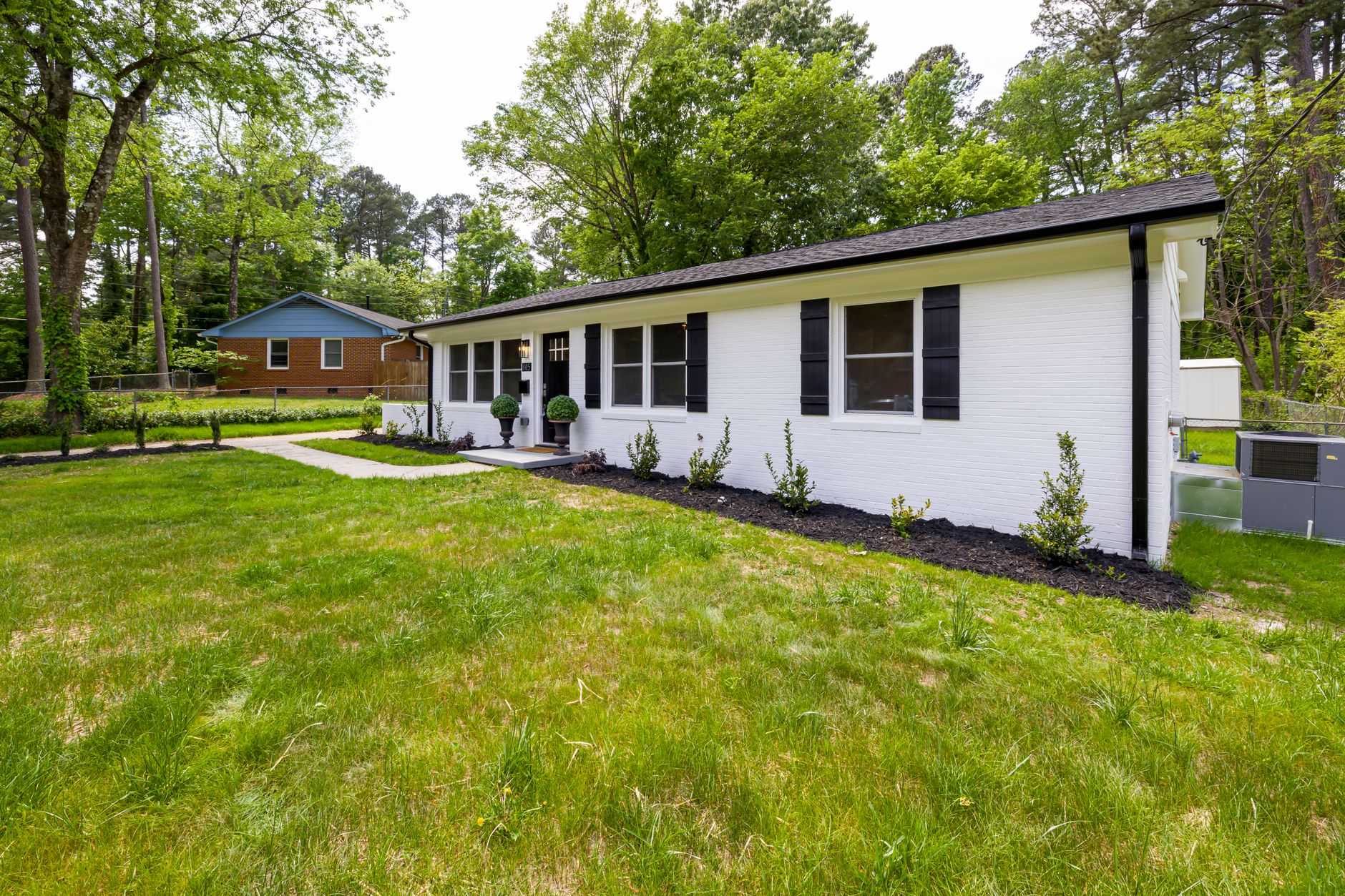
Virginia Is a Buyer-Beware State, and That Changes How You Sell
Most states hand sellers a long disclosure form: roof age, basement leaks, that time the water heater flooded the hallway. Virginia does the opposite. The Residential Property Disclosure Act (Va. Code 55.1-700 et seq.) requires sellers to furnish a disclosure statement, but the statement itself is a list of warnings to the buyer, not a report card on the house. The operative section, Va. Code 55.1-703, is literally titled "Required disclosures for buyer to beware; buyer to exercise necessary due diligence."
The form runs through roughly twenty buyer-beware advisories: the seller makes no representations about the condition of the property, about adjacent parcels or zoning, about historic district rules, flood zones, septic systems, radon, marine clay soils, or proximity to military installations. On each item, the buyer is told to do their own homework. The Real Estate Board provides the current statement on its website, along with an optional flood risk information form, and delivering that statement satisfies the seller's core disclosure duty (Va. Code 55.1-703).
We buy in ten states, and nowhere else does the law lean this far toward the seller. If your house has problems, Virginia does not make you catalog them on a form.
What sellers still must not do
Buyer-beware is not a license to deceive. The Act limits what you must volunteer; it does not protect active concealment or fraud. Paint over fresh water stains the morning of the inspection, screw drywall over a cracked foundation wall, answer a direct question with a lie, and you have walked out of the statute's shelter and into a Virginia common-law fraud claim. The safe line is simple: you do not have to itemize the house's history, but nothing you do or say can be designed to hide it.
This is why an as-is sale fits Virginia so naturally. When we buy, our offer is priced off our own walkthrough, so the condition conversation happens in the open and the as-is sale Virginia law anticipates is exactly the sale that occurs. Nobody relies on a form, because nobody needs to.
The Standard Process, Start to Finish
A conventional Virginia sale runs in a familiar sequence, with a few state-specific wrinkles worth knowing before you sign anything.
Contract. Virginia uses standard purchase agreements, usually the regional Realtor association forms. Because the disclosure regime tells buyers to investigate, the inspection contingency does more work here than in most states. Expect financed buyers to inspect thoroughly and negotiate off the results.
Choosing who closes. Virginia is not an attorney-only closing state. Under the Real Estate Settlement Agents chapter (Va. Code 55.1-1000 et seq., the law formerly known as CRESPA), both licensed attorneys and registered lay settlement agents, typically title companies, can conduct residential closings. The choice of settlement agent belongs to the buyer or borrower by statute (Va. Code 55.1-1006), so as a seller you generally close wherever the buyer's side directs, though you can hire your own attorney to review documents if the deal is complicated.
Title work. The settlement agent searches title, clears liens, and prepares the deed. Deed preparation is one of the few tasks reserved for an attorney, so even title-company closings involve a lawyer at that step.
Settlement and funding. Virginia's Wet Settlement Act protects you at the finish line: once settlement occurs, the settlement agent must disburse the proceeds within two business days (Va. Code 55.1-903). No waiting a week for the lender to wander in with funds. Virginia deals close "wet," money at the table.
On the calendar, a financed sale typically runs 30 to 45 days from ratified contract to settlement, on top of however long the listing takes. A cash sale compresses that to whatever the title work requires. Our closings in Virginia usually land two to three weeks after contract, and the process is the same everywhere we buy: one walkthrough, a written offer with the numbers itemized, closing at a licensed settlement agent on your date.
Selling an Inherited House or a Probate Property in Virginia
Virginia probate surprises out-of-state heirs in a good way. There is no separate probate court. Circuit courts hold probate jurisdiction (Va. Code 64.2-443), and in practice the work happens at the clerk's office, because clerks have independent authority to admit wills to probate (Va. Code 64.2-444). You make an appointment with the circuit court clerk in the county or city where the person lived, bring the will and a death certificate, and the clerk handles probate and the executor's qualification. Routine estate oversight then runs through a Commissioner of Accounts rather than a judge.
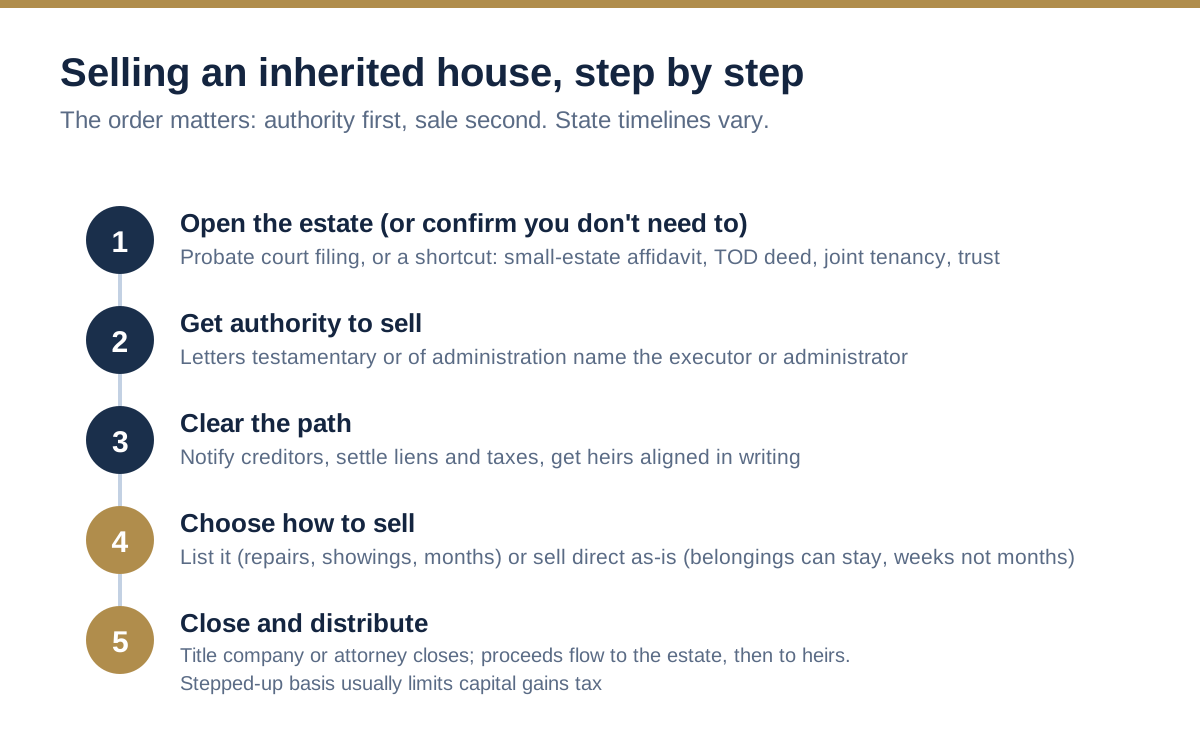
A few Virginia specifics matter for the house itself:
Real estate passes outside the administration bottleneck. Under Virginia law, real property generally vests in the heirs or devisees at death, subject to the will's terms. Depending on what the will says, the family can often sign a deed without waiting on a full administration. Who signs is a title question, and it is exactly what the settlement agent and the estate's attorney pin down first.
Small estates skip qualification for personal property. The Virginia Small Estate Act lets successors collect a decedent's personal probate estate of $75,000 or less by affidavit, once 60 days have passed since death (Va. Code 64.2-601). The affidavit does not transfer real estate, but it spares many families a formal qualification just to reach a bank account, which keeps the overall estate simpler while the house sells.
The clock still runs on the house. Insurance, grass, city notices, and the mortgage do not pause for grief. If the property sits vacant, some Virginia localities require vacant-building registration (Va. Code 15.2-1127), and a vacant house is the estate's biggest liability.
We close inherited-house sales in Virginia routinely, coordinating with the clerk's paperwork and the estate's attorney, and our probate guide walks through the sequence of authority and approval step by step. The short version: Virginia's system is one of the fastest paths from inheritance to closing in the country, if someone keeps the process moving.
Foreclosure in Virginia Moves Fast. You Have to Move Faster
Virginia forecloses without a courtroom. Nearly every home loan here is secured by a deed of trust, and when the borrower defaults, a trustee sells the house at auction with no judge involved. Two numbers define the timeline, and both come from Va. Code 55.1-321.
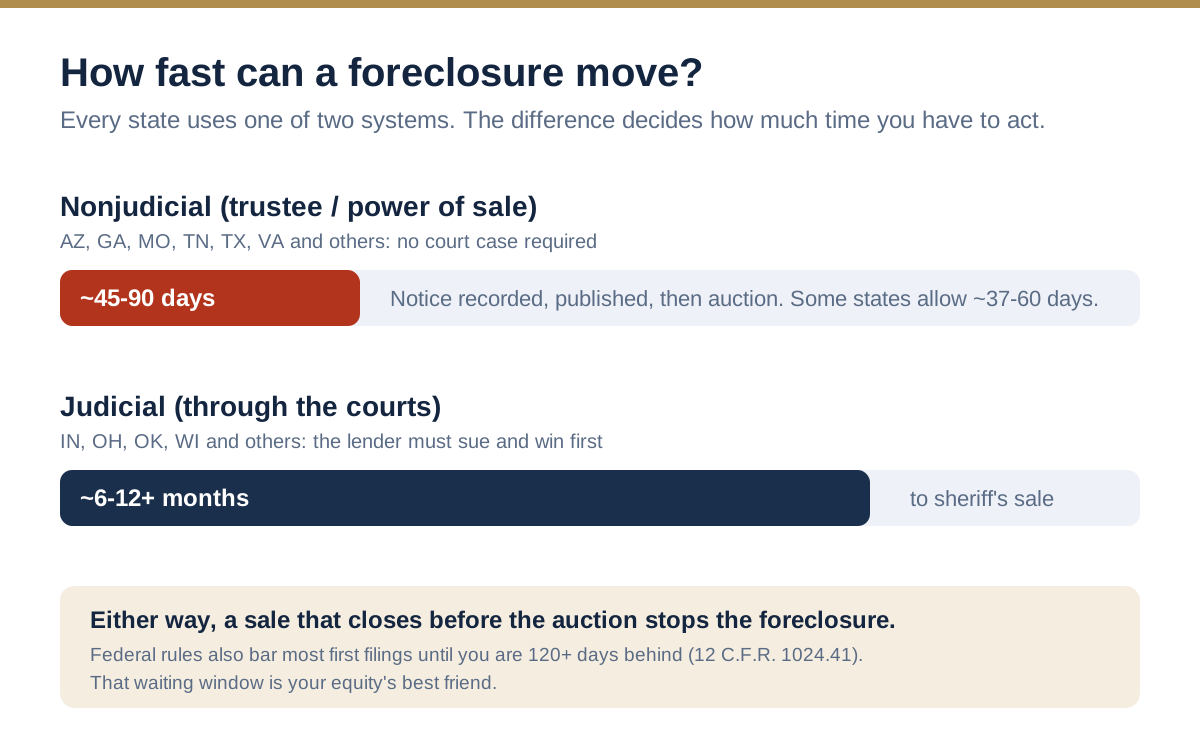
For owner-occupied residential property, the trustee must give the owner written notice at least 60 days before the sale. The notice has to include real information: the date and amount of your last payment received, the total arrears, the remaining principal balance, and referrals to HUD-approved housing counseling and legal aid (Va. Code 55.1-321).
For everything else, investor property, vacant houses, the inherited home nobody moved into, the notice requirement is 14 days.
Layer on the advertising rules and the speed becomes concrete. When the deed of trust sets the terms, the trustee can advertise as little as once a week for two weeks, and the sale may be held as soon as eight days after the first advertisement (Va. Code 55.1-322). An owner-occupied home can go to auction roughly 60 days after the notice letter arrives. A non-owner-occupied property can be gone within a few weeks. There is no judicial review built into the process and no statutory right of redemption after the hammer falls.
Compare that to a two-to-three-week cash closing and the math still works, but only if you start on the first notice, not the last one. Our foreclosure options guide lays out every path, sale and otherwise, and if you are weighing timing, read can I sell my house before foreclosure today. In Virginia, "I'll deal with it next month" is frequently the whole ballgame.
What Selling Actually Costs in Virginia
Virginia is a cheap state to sell in, as long as you watch the line items that scale with price.
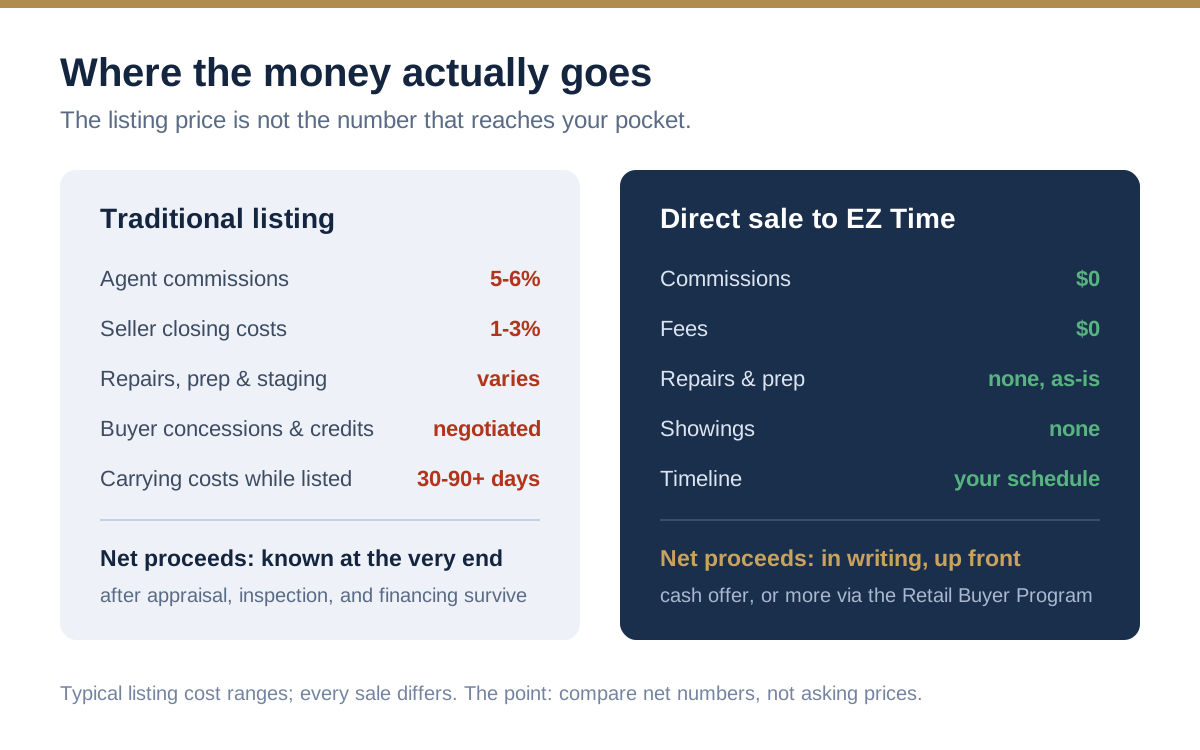
Agent commissions. If you list, plan on 5 to 6 percent of the sale price in total commissions. On a $350,000 house, that is $17,500 to $21,000, the largest cost in the transaction by a wide margin.
The grantor's tax. Virginia's seller-side transfer tax is the grantor's tax: $0.50 for each $500 of price, about 0.1 percent, split half to the state and half to your locality (Va. Code 58.1-802). On $350,000, that is $350. The much larger recordation tax, $0.25 per $100, is customarily the buyer's cost.
Regional add-ons, Northern Virginia only. Sellers inside the Northern Virginia Transportation Authority footprint pay two additional grantor-side fees: the regional WMATA capital fee at $0.10 per $100 (Va. Code 58.1-802.3) and the regional congestion relief fee, also $0.10 per $100 (Va. Code 58.1-802.4). Together they roughly triple the seller's transfer cost in NoVA. Hampton Roads has its own, much smaller seller-side layer: the regional transportation improvement fee at $0.06 per $100 (Va. Code 58.1-802.5, enacted 2020 after the region's earlier grantor tax was repealed). Richmond adds nothing. Sell in Norfolk or Richmond and your government charge is the plain grantor's tax, period.
Settlement charges. Settlement agent fees, deed preparation by an attorney, lien payoffs and recording releases, plus prorated real estate taxes through the settlement date.
The house itself. Repairs to pass the buyer's inspection, concessions negotiated off the inspection report, and carrying costs (mortgage, insurance, utilities, lawn) for every month on market.
A direct sale rewrites that list. No commissions, no repairs, no concessions, and we cover standard closing costs, so a Virginia settlement statement on our side typically shows the grantor's tax, any payoff, and your proceeds. Run your own numbers through the cash offer calculator to see the side-by-side. And if your house is in good shape and your goal is maximum proceeds without the listing circus, ask us about the Retail Buyer Program: it gets sellers more than a typical cash offer while staying as easy as a cash sale, with your proceeds agreed in writing before anything starts.
Virginia Situations We See Every Week
PCS orders in Hampton Roads
Hampton Roads runs on military rotation. Between Naval Station Norfolk, NAS Oceana, Joint Base Langley-Eustis, and the shipyard, thousands of households get orders every season, and orders do not care where you are in a listing. If you own in Norfolk, Virginia Beach, Newport News, or Hampton and the report date is closing in, a written cash offer with a settlement date you pick beats a listing you will have to manage from two time zones away. Remote closings are routine for us; plenty of our Hampton Roads sellers sign from their next duty station.
The vacant inherited house on a 14-day clock
This one combines two Virginia rules in the worst way. The inherited house nobody lives in gets only 14 days of foreclosure notice (Va. Code 55.1-321), and heirs usually assume they have the 60-day runway an owner-occupant gets. If a trustee letter has arrived at an estate property, the family needs payoff figures and a buyer this week, not this quarter. We have closed these inside the advertising window, but only when the sellers called on day one.
The Richmond house that needs everything
Richmond's market is strong and its housing stock is old, which produces a steady stream of houses worth real money that no financed buyer can touch: knob-and-tube wiring, dead HVAC, a roof past its warranty and its dignity. Virginia's disclosure regime means listing one of these does not require a confessional form, but the buyer's inspector will find it all anyway, and the renegotiation that follows is where listed as-is deals die. We price the condition once, in writing, at the walkthrough, across Richmond and everywhere else we buy in Virginia.
The Bottom Line on Selling in Virginia
Virginia gives sellers a light disclosure burden, a modest transfer tax, and a fast, wet-funded closing system. It also gives lenders one of the fastest foreclosure processes in the country, so the state rewards sellers who act early and punishes the ones who wait. Whichever way you sell, know which of Virginia's clocks is running on your house, then pick the path that beats it.
Virginia statutes change and every situation differs. This guide is general information, not legal or tax advice; a Virginia attorney or your settlement agent is the authority on your specific transaction.
From the buyers
How EZ Time Home Buyers Can Help in Virginia
We buy houses across Virginia, and everything above is the world we work in every week. If the timelines or repair math in this guide are pushing you toward a direct sale, we'll give you a written cash offer with the math shown line by line: after-repair value, repair budget, our margin. And if the cash number doesn't work for you, our Retail Buyer Program is a second path that typically nets more than a typical cash offer while we handle the work, with no commissions or fees on either path.
Frequently Asked Questions
What do I legally have to disclose when selling a house in Virginia?
Less than almost anywhere else. Virginia's Residential Property Disclosure Act (Va. Code 55.1-700 et seq.) requires you to furnish the buyer a disclosure statement, but the statement is a list of buyer-beware advisories telling the buyer to inspect for themselves; Va. Code 55.1-703 is titled "Required disclosures for buyer to beware." The Real Estate Board provides the current form on its website. What the law never protects is active concealment or lying in response to a direct question; that remains fraud under Virginia common law.
Do I need an attorney to sell a house in Virginia?
Not for the closing itself. Virginia allows both attorneys and registered lay settlement agents, typically title companies, to conduct residential settlements (Va. Code 55.1-1000 et seq.), and the buyer or borrower holds the statutory right to choose the settlement agent (Va. Code 55.1-1006). Deed preparation still requires an attorney, and the Wet Settlement Act requires your proceeds to be disbursed within two business days of settlement (Va. Code 55.1-903). We recommend your own attorney only when the deal has complications, like an estate or a divorce.
How much is the grantor's tax when I sell in Virginia?
The state grantor's tax is $0.50 for each $500 of the sale price, about 0.1 percent, split between the state and your locality (Va. Code 58.1-802), so roughly $350 on a $350,000 sale. Sellers in Northern Virginia also pay the regional WMATA capital fee and the regional congestion relief fee, each $0.10 per $100 (Va. Code 58.1-802.3 and 58.1-802.4). In Hampton Roads the only regional layer is the $0.06 per $100 transportation improvement fee (Va. Code 58.1-802.5), and Richmond adds no regional fee, and the larger $0.25-per-$100 recordation tax is customarily the buyer's cost.
How long does foreclosure take in Virginia?
It is among the fastest in the country because it is nonjudicial. The trustee must send written notice at least 60 days before the sale for owner-occupied homes, but only 14 days for any other property, including vacant and inherited houses (Va. Code 55.1-321). The sale can be held as soon as eight days after the first advertisement (Va. Code 55.1-322), so an owner-occupied home can reach auction roughly 60 days after the notice letter, and a non-owner-occupied one within a few weeks. A two-to-three-week cash closing can still beat that clock if you start at the first notice.
Related Guides
Ready to see both of your numbers?
Tell us about your property once and get a written cash offer, plus what our Retail Buyer Program could net you instead. No repairs, no fees, no pressure to accept.