
We Buy Houses in Virginia
Virginia runs on two engines: the Hampton Roads military economy, anchored by the world's largest naval base and Virginia's largest industrial employer, and a Richmond market growing faster than almost any city we buy in. Virginia law shapes how you sell here more than most sellers realize: a buyer-beware disclosure regime, one of the fastest foreclosure processes in the country, and a probate system with no probate court at all.


You'll work directly with Eric and Carson, the owners, not a call center.
Median sale price
$299-415K
Hampton to Virginia Beach medians, up 4-6% YoY (Redfin)
Days on market
~17
in Richmond, one of the footprint's hottest markets (Redfin)
Naval Station Norfolk
82,000+
active duty anchoring Hampton Roads housing demand
Foreclosure notice
14 days
before sale for non-owner-occupied property (Va. Code)
Written offers, math included
Every offer shows the ARV, repair estimate, and our margin, line by line.
Licensed title company closings
Funds and documents always go through a neutral title company or attorney.
No fees, no commissions
Cash offer or Retail Buyer Program: your number is your number, on either path.
Two Ways to Sell. One Conversation.
Tell us about your home once and see both numbers side by side: a fast cash offer, and the higher number our Retail Buyer Program can reach while keeping the sale just as easy for you.
Fast and certain
As-Is Cash Offer
- Sell in any condition, no repairs or cleaning
- Written offer with the math shown line by line
- Close in as little as two weeks, on your date
More money, full service
Retail Buyer Program
- More money than a typical cash offer
- Keeps the easy part: one conversation, we handle the work
- Your proceeds agreed in writing, no commissions, no fees
Not sure which fits? Our honest comparison of every way to sell includes the paths that aren't ours.
How Selling to Us Works
A straightforward process with no showings, no open houses, and no waiting on bank financing.
- 1
Tell us about the house
Share the address and a few details. It takes about two minutes, and nothing is binding.
- 2
Get a fair cash offer
We research the property and local market, then present a written, no-obligation cash offer with the math explained.
- 3
Pick your closing date
Need to close in days, or need a few months? You choose the timeline that works for you.
- 4
Close and get paid
We close through a licensed title company or attorney. No repairs, no fees, no commissions.
Whatever the Situation, We've Seen It
Every seller's circumstances are different. Pick yours to see exactly how the process works.

Inherited a house
Probate, multiple heirs, out-of-state estates
Learn more →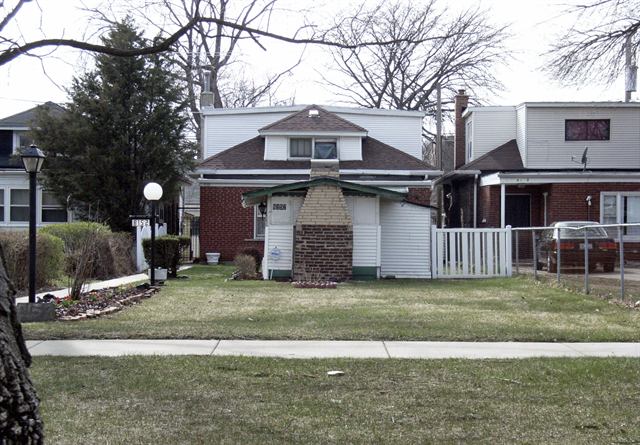
Facing foreclosure
Sell before the auction and protect your equity
Learn more →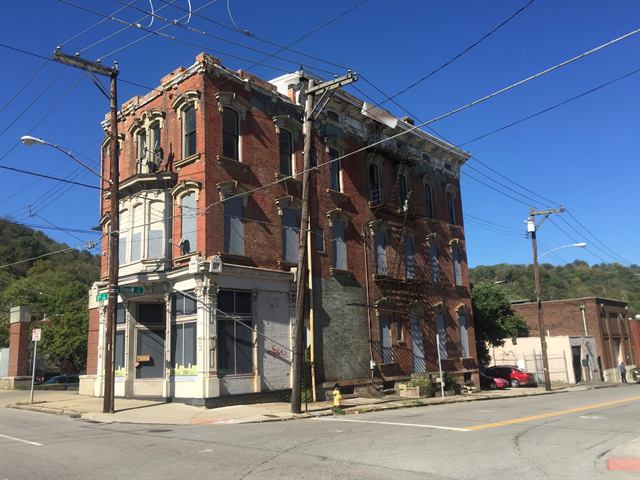
Tired landlord
Sell with tenants in place, even difficult ones
Learn more →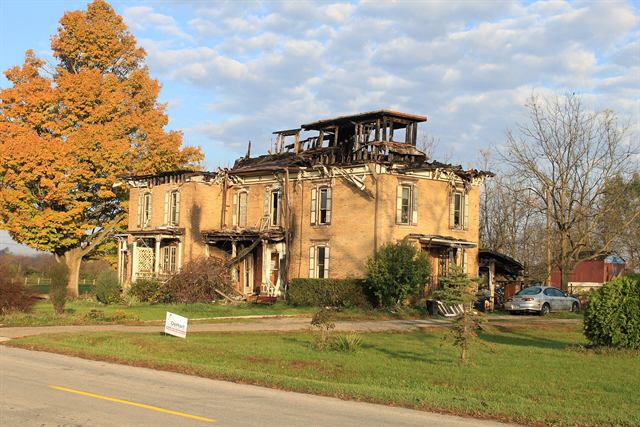
House needs repairs
Fire, water, foundation, roof: we buy as-is
Learn more →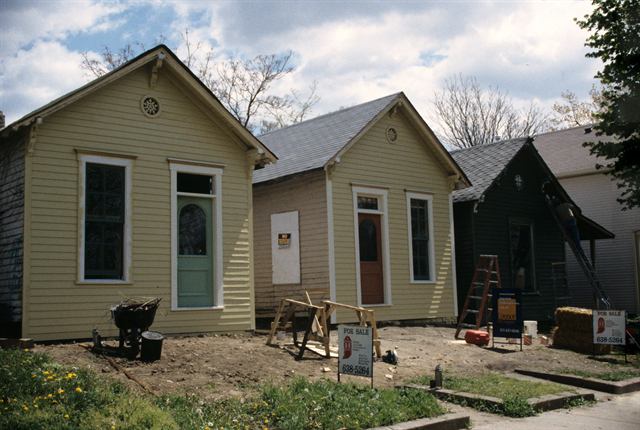
Vacant property
Stop paying taxes and insurance on an empty house
Learn more →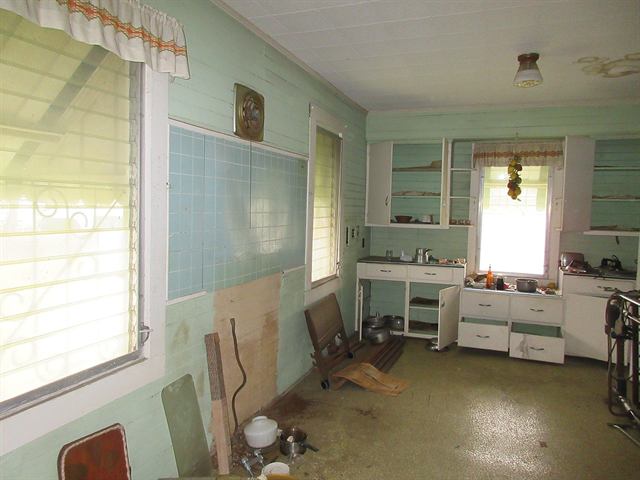
Selling as-is
No cleaning, no repairs, no showings
Learn more →
Virginia Is a Buyer-Beware State (Which Cuts Both Ways for Sellers)
Virginia's Residential Property Disclosure Act (Va. Code 55.1-700 et seq.) works differently than the disclosure laws in most states we buy in. Instead of a long form itemizing the roof, the wiring, and the basement, Virginia sellers furnish a statement that mostly disclaims: the buyer is told to rely on their own inspections, not on seller representations. The statute is blunt about it, Va. Code 55.1-703 is literally titled "Required disclosures for buyer to beware." Sellers are not even required to reveal a home's flood history unless the property is a FEMA repetitive-loss property.
For a seller with a house in rough shape, that regime lowers the paperwork barrier about as far as US real estate allows. It does not lower it to zero: fraud and active concealment are never protected anywhere. But when you sell to us, the legal structure and the transaction finally match, we buy on our own walkthrough, price the condition into a written offer, and the as-is sale Virginia law anticipates is exactly the sale that happens.
Virginia Seller Quick Facts
| Foreclosure type | Non-judicial deed of trust, among the fastest in the US (Va. Code 55.1-321) |
| Foreclosure notice | 60 days before sale for owner-occupied residential, only 14 days for all other property |
| Disclosure | Buyer-beware regime (Va. Code 55.1-700 et seq.); flood history not required unless FEMA repetitive-loss |
| Transfer tax | Seller pays the grantor's tax, $0.50 per $500 (~0.1%); the $0.25 per $100 recordation tax is customarily buyer-paid |
| Probate | No separate probate court; wills probated before the clerk of the Circuit Court |
| Small estates | Small Estate Act covers personal-property estates of $75,000 or less (Va. Code 64.2-601) |
| Local rules | Localities may require vacant-building registration (Va. Code 15.2-1127) and rental inspection districts |
The Clock to Respect: Virginia Foreclosure Is Fast
Virginia forecloses without courts. Nearly every mortgage here is a deed of trust, and once the lender starts, the trustee simply mails notice and advertises the sale. Under Va. Code 55.1-321, that notice must arrive no less than 60 days before the sale for owner-occupied residential property, and only 14 days for everything else: investor property, vacant houses, inherited homes nobody lives in. With the advertising requirements layered on, an owner-occupied home can go to auction roughly 60 days after the notice letter, and a non-owner-occupied property within a few weeks.
That second number is the one that catches people. Heirs managing a vacant inherited house and landlords with an underwater rental often assume they have the same runway an owner-occupant gets. In Virginia, they have a fraction of it. If a trustee letter has arrived, the foreclosure options guide is the place to start today, not this weekend, and our two-to-three-week closings are built to fit inside timelines this short when sellers move on the first notice.
Selling Rules Worth Knowing in Virginia
The grantor's tax
Virginia's seller-side transfer tax is the grantor's tax: $0.50 per $500 of price (about 0.1%), split between the state and your locality. The larger recordation tax, $0.25 per $100, is customarily the buyer's cost. On your settlement statement, the grantor's tax is the only meaningful government charge on your side, roughly $300 on a $300,000 sale.
Probate without a probate court
Virginia has no separate probate court. Wills are probated before the clerk of the Circuit Court, and routine estates are overseen by a Commissioner of Accounts rather than a judge. More useful still: once the will is recorded, real estate passes to the heirs or devisees by operation of law, and an executor need not even qualify if the will does not direct a sale of the property. In many estates, that means the heirs can deed the house directly, no administration bottleneck standing between the family and a closing. The Small Estate Act simplifies personal-property estates of $75,000 or less (Va. Code 64.2-601). The probate guide maps the sequence, and inherited-house sales are among the smoothest transactions we do in Virginia because of it.
Vacant-building registration and rental inspection districts
Virginia lets localities require registration of vacant buildings (Va. Code 15.2-1127), and all five of the cities we cover below operate rental inspection districts, mapped areas where rentals must pass city inspection. If a registration notice or an inspection deadline is what put selling on your calendar, we buy vacant houses and tenant-occupied rentals with those obligations handed off at closing.
Flood history and the Hampton Roads reality
Hampton Roads holds roughly three-quarters of Virginia's FEMA repetitive-loss flood properties, and more than 5,000 southeastern Virginia homes have flooded at least twice (WHRO, Oct 2024), with roughly 1.5 feet of sea-level rise projected by 2050 versus 1992. Owners of repetitive-loss homes face a disclosure obligation most Virginia sellers escape, and rising flood insurance premiums are pushing many of them to sell rather than renew. We price flood-zone houses on their actual economics and buy them as-is.
The Virginia Market Right Now
Hampton Roads is a military economy with civilian depth: Naval Station Norfolk's 82,000+ active-duty personnel, Newport News Shipbuilding's roughly 26,000 workers, Joint Base Langley-Eustis, NAS Oceana, and Little Creek-Fort Story put hundreds of thousands of paychecks behind housing demand, and the constant rotation of military orders keeps transactions moving in every market cycle. Medians run from about $299,000 in Hampton to $415,000 in Virginia Beach, all rising 4-6% year over year (Redfin, mid-2026).
Richmond is the growth story: population climbing (Weldon Cooper Center, 2025), a median around $387,000, up 10.5% year over year, and homes selling in about 17 days (Redfin, mid-2026), one of the hottest markets in our entire footprint. Rising values feed straight into our offers, and in a market this strong, our Retail Buyer Program is worth a look too: it gets sellers more than a typical cash offer while staying as easy as a cash sale, we do the work, no commissions, no fees, and your proceeds agreed in writing.
Where We Buy in Virginia
- Richmond: Church Hill rowhouses, Northside Victorians, and the state's fastest-rising prices
- Virginia Beach: Aragona Village ranches, Kempsville tract homes, and constant PCS turnover in Virginia's largest city
- Norfolk: Park Place, Berkley, Ocean View, and the neighborhoods around the world's largest naval base
- Newport News: the Southeast Community, Hilton Village, and the shipyard economy
- Hampton: Wythe, Phoebus, Buckroe Beach, and eight rental inspection districts
The process is identical everywhere: one walkthrough, a written offer with the after-repair value, repair estimate, and margin itemized, closing at a licensed title company on your date. Two to three weeks is typical once title work clears, and remote closings are routine for out-of-state sellers.
Compare Your Options in Virginia
Want to see how we stack up before you call anyone? We ranked the companies that buy houses in Virginia, including ourselves, with every company's publicly visible evidence shown so you can check our work. And before you sign anything with any buyer, our guide to selling a house in Virginia walks through the state's disclosure rules, foreclosure timeline, taxes, and closing process in plain language. For the two situations we see most, our guides to selling an inherited house in Virginia and the Virginia foreclosure process go statute by statute, and selling a house in Virginia Beach covers the local rules in our biggest Virginia market.
Want the raw numbers behind this market? Our Virginia housing market analysis charts home prices, listing prices, and inventory across the last 16 quarters, with every source linked.
Frequently Asked Questions
I inherited a house in Virginia. Do I have to open a probate case before I can sell it?
Virginia has no separate probate court: the will is probated before the clerk of the Circuit Court, and once recorded, the real estate passes to heirs or devisees by operation of law. If the will does not direct a sale, an executor need not even qualify, and the heirs can frequently deed the house directly. We coordinate with the estate's attorney to confirm who signs; the probate guide covers the sequence.
How fast can a Virginia foreclosure really move?
Faster than almost any state. Virginia foreclosure is non-judicial: under Va. Code 55.1-321, the trustee mails notice no less than 60 days before the sale for owner-occupied homes, and only 14 days for all other property, so a vacant, inherited, or investor house can be auctioned within a few weeks. With no judge and no built-in redemption, the equity-preserving move is to act before the auction.
What do I actually have to disclose when selling a Virginia house?
Remarkably little. Virginia's Residential Property Disclosure Act (Va. Code 55.1-700 et seq.) has sellers furnish a statement that largely disclaims, and Va. Code 55.1-703 is titled "Required disclosures for buyer to beware." Even flood history is not required unless the home is a FEMA repetitive-loss property. Active concealment is never protected, but the form-filling burden is minimal, and since we price condition at the walkthrough, selling as-is costs you nothing extra in honesty.
What does selling cost me in Virginia transfer taxes?
Very little. The seller's side is the grantor's tax: $0.50 per $500 of the price, about 0.1%, split between the state and your locality. Hampton Roads deeds add a small $0.06 per $100 regional transportation fee on the seller side (Va. Code 58.1-802.5). The larger recordation tax of $0.25 per $100 is customarily paid by the buyer, and we treat it that way. We cover standard closing costs on top, so your settlement statement stays short.
Do you buy flood-zone and flood-history houses in Hampton Roads?
Yes, routinely. Hampton Roads holds roughly three-quarters of Virginia's FEMA repetitive-loss properties, and 5,000+ southeastern Virginia homes have flooded at least twice (WHRO, Oct 2024). A repetitive-loss designation carries the one flood disclosure Virginia law requires, and rising premiums keep shrinking the financed-buyer pool. We price the flood economics into a written offer and buy as-is, no elevation certificates or repairs on your side.
The EZ Time Standard
Six promises we make on every transaction, in every market. Not marketing lines, operating policy.
Every offer in writing, math included
The after-repair value, repair estimate, and our margin, line by line. If a number moves, you see why.
Both options in one conversation
The fast cash offer and the Retail Buyer Program number, side by side, so the trade-off is concrete before you decide anything.
No fees or commissions, either path
Your number is your number. Typical seller closing costs are on us, and nothing is deducted later.
Licensed title company closings, always
Funds and documents go through a neutral title company or closing attorney on every transaction. No exceptions.
No pressure, by policy
Our offers don't expire in 24 hours, and "let me think about it" is a perfectly good answer. Take the offer to your attorney.
Straight answers about our role
If a vetted local partner will be the closing buyer on your property rather than us directly, you'll know before you sign anything.
These promises have names attached. Meet Eric and Carson, the people who answer when you call.
Nearby Areas We Buy In
Related Guides
Ready to see both of your numbers?
Tell us about your property once and get a written cash offer, plus what our Retail Buyer Program could net you instead. No repairs, no fees, no pressure to accept.